Respiratory Depression: Causes, Risks, and Medications That Can Trigger It
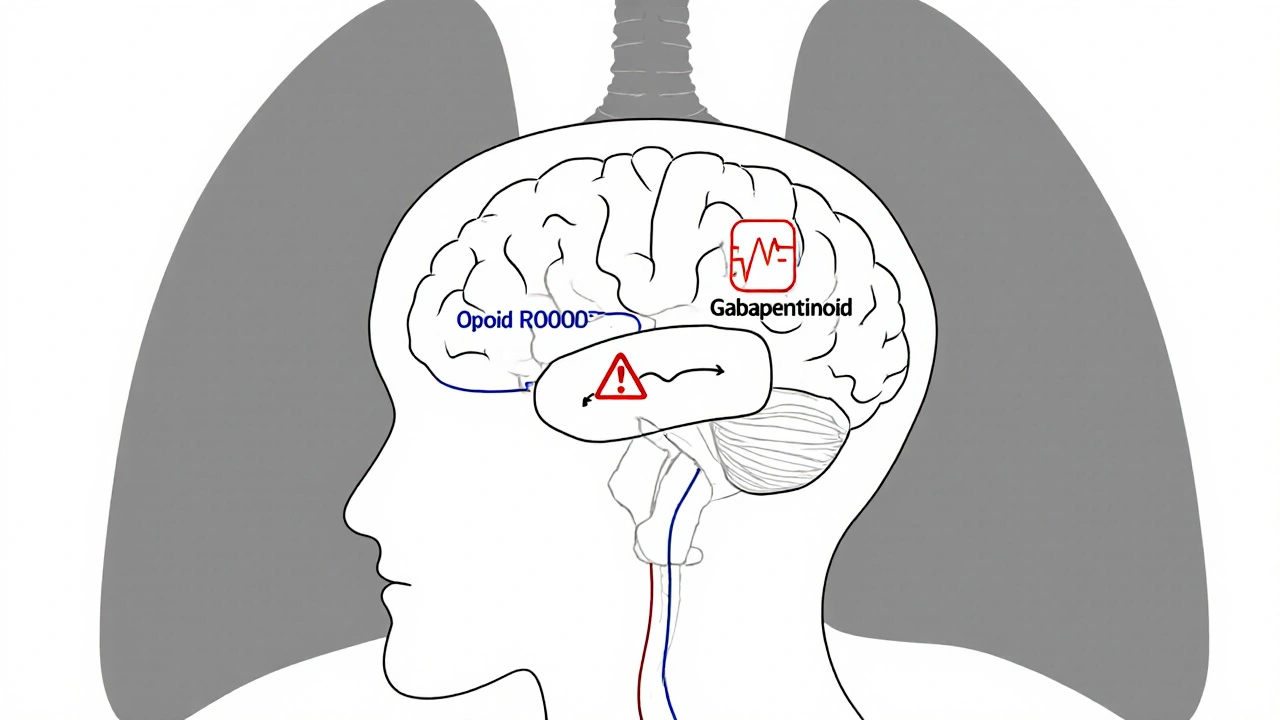
When your breathing slows too much, it’s called respiratory depression, a life-threatening condition where the body doesn’t take in enough oxygen or expel enough carbon dioxide. Also known as hypoventilation, it’s not just feeling tired after a long day—it’s when your brain stops telling your lungs to work properly, and your body starts shutting down. This isn’t rare. It’s behind most fatal drug overdoses, especially from opioids and sedatives. People think of addiction as the main danger, but the real killer is often just one thing: stopped breathing.
Drugs like methadone, a long-acting opioid used for pain and addiction treatment, and buprenorphine, a partial opioid agonist with lower overdose risk but still capable of slowing breathing, are designed to help, but they can easily tip into danger—especially when mixed with alcohol, benzodiazepines, or sleep aids. Even a single extra pill can push someone past the edge. Esketamine nasal spray, used for treatment-resistant depression, also carries warnings about breathing changes, requiring strict monitoring. These aren’t edge cases—they’re common scenarios in clinical use and home misuse.
It’s not just opioids. Some antibiotics, muscle relaxants, and even high-dose antihistamines can contribute. The risk goes up with age, liver or kidney disease, and when multiple drugs are taken together. You don’t need to be addicted to be at risk. Someone taking prescribed pain meds after surgery, or an elderly person on a sleep pill and a muscle relaxant, could be quietly slipping into respiratory depression without realizing it. Symptoms start subtle: slow, shallow breaths, dizziness, confusion, bluish lips. By the time someone notices, it’s often too late.
What you’ll find in the posts below isn’t just a list of drugs—it’s a clear picture of how medications interact, who’s most vulnerable, and what actually matters when safety is on the line. From how respiratory depression ties into opioid use disorder treatment, to why certain drug combos are silent killers, these articles cut through the noise. You won’t find fluff. Just facts, real-world risks, and what to watch for—so you or someone you care about doesn’t become a statistic.