Hearing Loss from Antibiotics: What You Need to Know
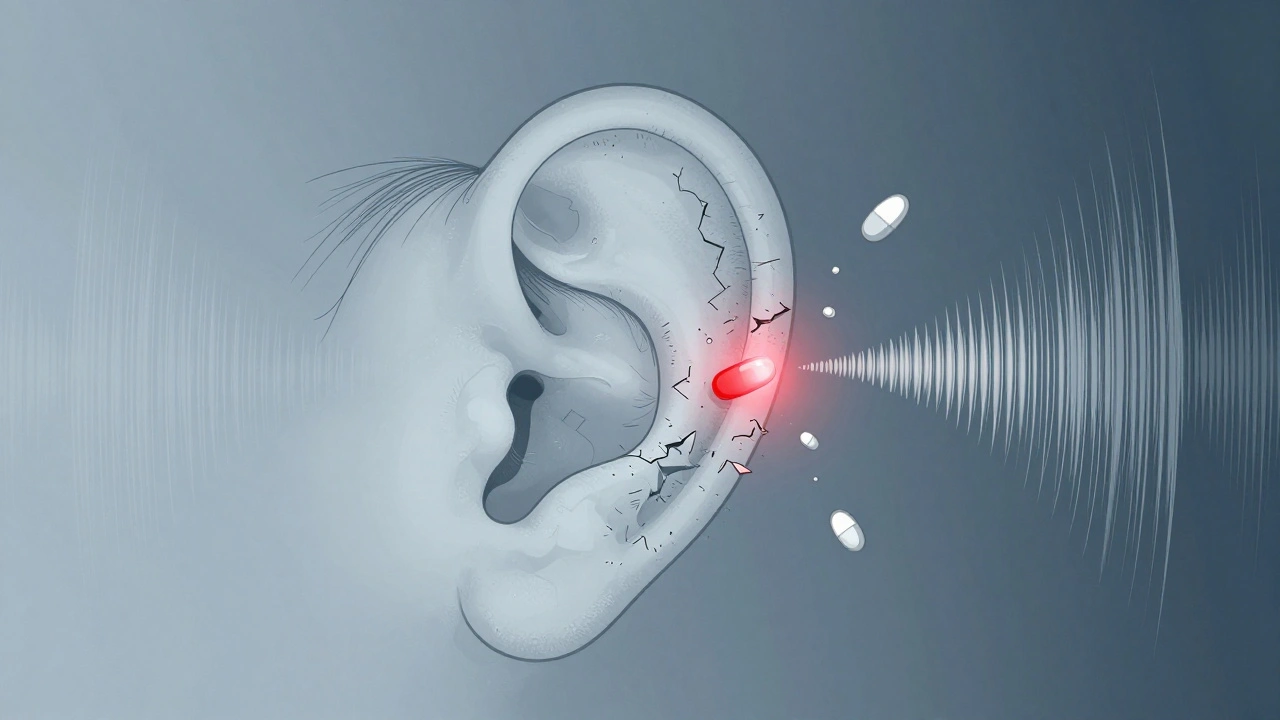
When you take an antibiotic, you expect it to kill the infection—not damage your ears. But hearing loss from antibiotics, a known side effect of certain powerful drugs that can permanently harm the inner ear. Also known as ototoxicity, this isn’t rare—it happens more often than most people realize, especially with long-term or high-dose use. It doesn’t always show up right away. Sometimes, it’s a quiet ringing in the ears first—tinnitus, a persistent noise like buzzing or hissing that can precede actual hearing loss. Then comes trouble hearing high pitches, like children’s voices or birdsong. And once the damage is done, it’s often permanent.
Not all antibiotics do this. But the big ones that do are aminoglycosides, a class of antibiotics used for serious infections like sepsis or pneumonia when other drugs fail. Examples include gentamicin, tobramycin, and amikacin. They’re lifesavers in hospitals, but they’re also the most common culprits behind cochlear damage, the destruction of tiny hair cells in the inner ear that turn sound into electrical signals your brain understands. Even vancomycin and erythromycin, though less common, can cause trouble if you’re dehydrated, have kidney problems, or are on them for weeks. And if you’re already taking other ototoxic drugs—like high-dose aspirin, loop diuretics, or even some chemotherapy meds—the risk multiplies. This isn’t about taking a single pill for a sore throat. It’s about prolonged use in critical care, or repeated courses in people with chronic infections. The body doesn’t always warn you until it’s too late. That’s why doctors monitor hearing and kidney function during treatment—because by the time you notice the ringing, the damage might already be set.
What you can do? Ask your doctor if the antibiotic you’re prescribed is on the ototoxic list. If you’re in the hospital and getting IV antibiotics, request a baseline hearing test. If you start hearing ringing, buzzing, or muffled sounds—speak up immediately. Don’t wait. Sometimes, stopping the drug early can stop the damage from getting worse. And if you’ve had hearing loss after antibiotics before, tell your doctor before any future treatment. You’re not being paranoid—you’re protecting your hearing.
Below, you’ll find real, practical posts that dig into how drug side effects work, how to spot hidden risks in prescriptions, and how to protect yourself when meds are necessary but dangerous. These aren’t theoretical—they’re based on what actually happens in clinics, hospitals, and patient records.