
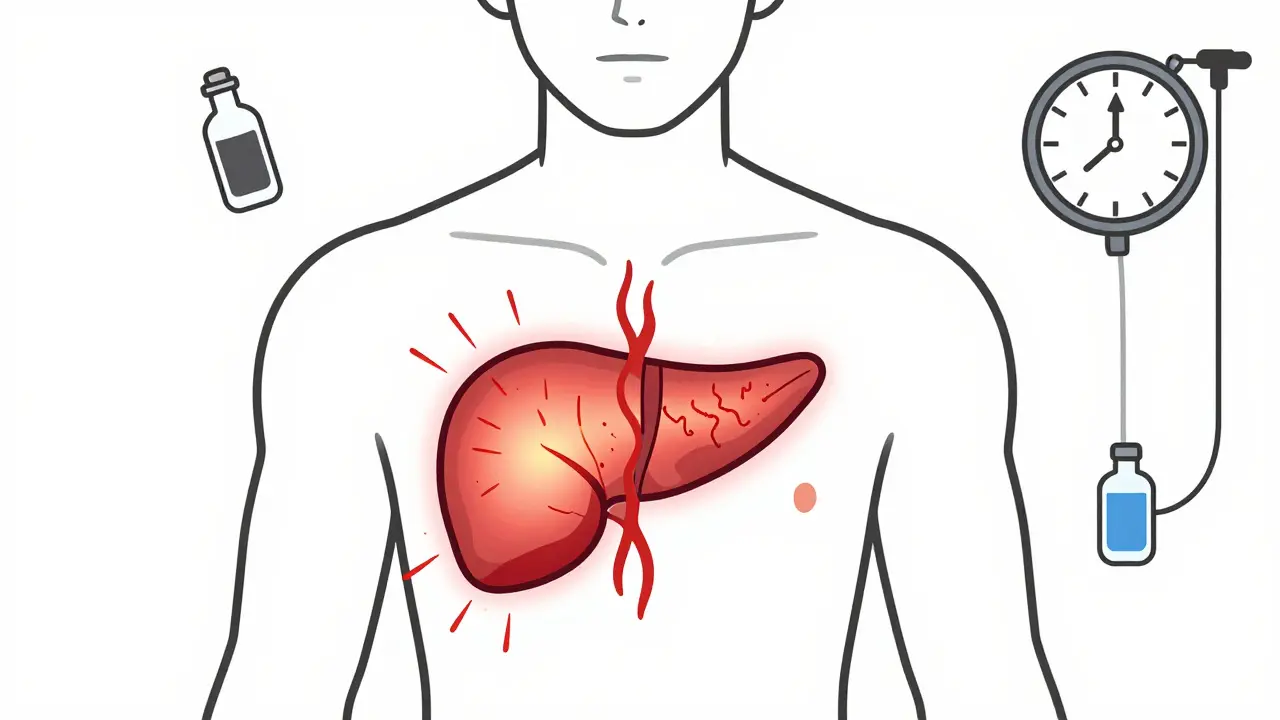
When your pancreas inflames, it doesn’t just hurt-it disrupts everything. Digestion, blood sugar, energy, even your ability to keep weight on. Pancreatitis isn’t one condition. It’s two very different diseases with the same name: acute and chronic. One hits hard and fast, often reversible. The other creeps in, silently destroying function over years. And no matter which one you’re dealing with, nutrition isn’t just helpful-it’s the foundation of recovery.
Acute Pancreatitis: The Sudden Crisis
Acute pancreatitis comes out of nowhere. One moment you’re fine; the next, your upper abdomen is on fire, radiating straight through to your back. Nausea, vomiting, sweating-your body screams for help. This isn’t indigestion. It’s your own digestive enzymes turning on your pancreas, digesting it from the inside. That’s why blood tests show lipase levels three times higher than normal. That’s the red flag doctors look for. About 80% of cases are caused by gallstones or heavy alcohol use. The rest? Sometimes it’s medications, high triglycerides, or just… unknown. The good news? Most people recover fully within a week if treated early. The bad news? If it turns severe, mortality can hit 30%. That’s why timing matters. Getting fluids fast-in the first 24 hours-cuts complications by nearly a third. Hospitals now know: early, aggressive hydration saves lives. Imaging shows swelling, fluid around the pancreas, sometimes dead tissue. But the real danger isn’t the pain. It’s organ failure. If your kidneys or lungs start shutting down and don’t bounce back within 48 hours, you’re in the severe category. That’s when you need ICU care, not just a painkiller and a bed.Chronic Pancreatitis: The Slow Burn
Chronic pancreatitis doesn’t announce itself with a bang. It whispers. You notice you’re losing weight even though you’re eating. Your stools float, smell awful, and are hard to flush. You get belly pain after meals, especially fatty ones. You’re tired all the time. You might even be diagnosed with type 3c diabetes-pancreatic diabetes-because your pancreas can’t make insulin anymore. This isn’t a flare-up. This is permanent damage. Scar tissue replaces healthy cells. Calcium deposits form inside the pancreas like tiny stones. By the time most people get diagnosed, 60-90% already have exocrine insufficiency-the pancreas can’t produce enough enzymes to digest food. That’s why fat passes through undigested. That’s why you lose muscle, even if you’re eating enough. Alcohol is the main culprit in 90% of cases. But genetics play a role too-mutations in genes like PRSS1 or SPINK1 can make you vulnerable even if you never drink. Smoking? It doesn’t just add risk-it speeds up the damage. Quitting smoking is the single most effective thing you can do to slow progression. Studies show it cuts disease worsening by half over five years.How Nutrition Changes Based on the Type
Nutrition isn’t one-size-fits-all. What helps in acute pancreatitis can hurt in chronic-and vice versa. In acute pancreatitis, the goal is to rest the pancreas. That means no food at first. You get IV fluids. Once the inflammation starts to settle (usually within 2-4 days), you start with clear liquids: water, broth, electrolyte drinks. Then you move to low-fat, soft foods-oatmeal, mashed potatoes, boiled chicken. You don’t jump back to burgers and fries. Your pancreas is still healing. Enteral feeding (a tube through the nose into the small intestine) is preferred over IV nutrition if you can’t eat by mouth after 48 hours. Why? It keeps the gut lining healthy and cuts infection risk by 30%. You need about 30-35 calories per kilogram of body weight daily. Protein? 1-1.5 grams per kilogram. Enough to heal, not enough to overload. In chronic pancreatitis, you’re not resting the pancreas-you’re replacing what it can’t do. That’s where pancreatic enzyme replacement therapy (PERT) comes in. You take pills with every meal and snack. Dosing? 40,000-90,000 lipase units per main meal, 25,000 per snack. Too little? You still get steatorrhea. Too much? You risk bowel irritation. The goal: fewer than 7% fat in your stool over 72 hours.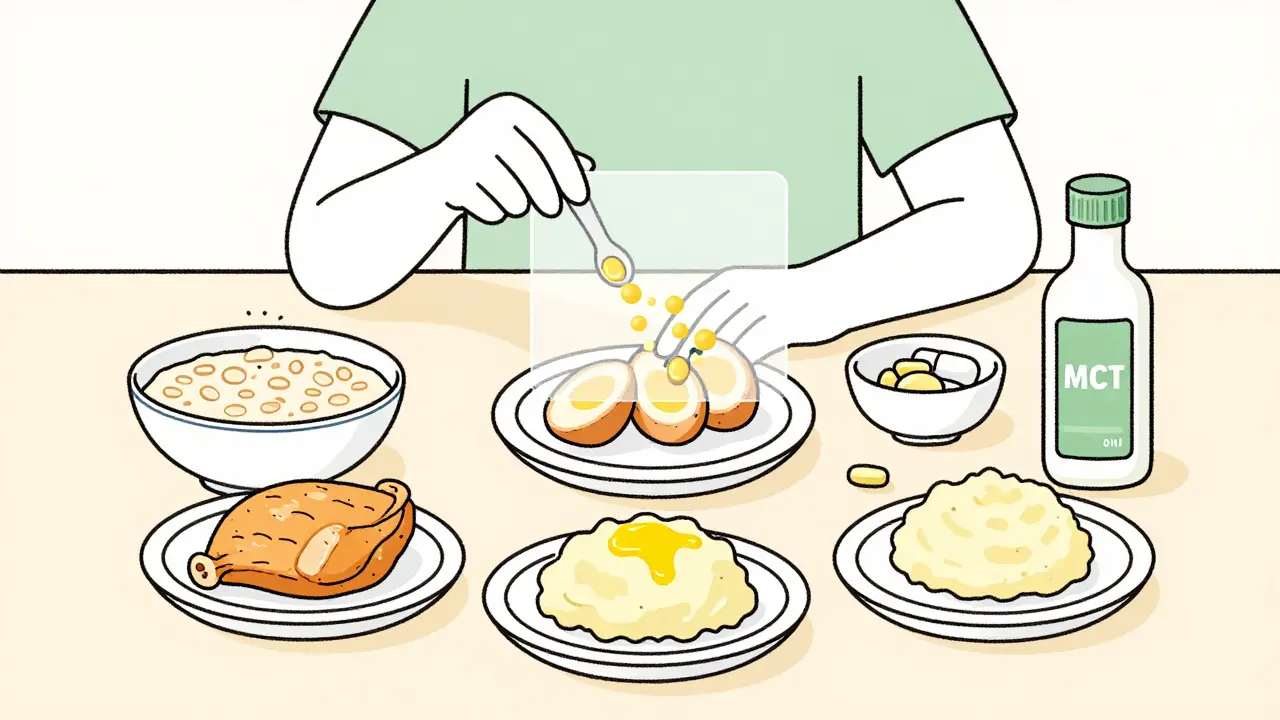
What to Eat-and What to Avoid
Fat isn’t the enemy forever. In acute phases, you limit it to 20-30 grams a day. Once stable, chronic patients can handle 40-50 grams daily. But not all fats are equal. Medium-chain triglycerides (MCTs) are your friend. Found in coconut oil and special medical supplements, MCTs don’t need pancreatic enzymes to be absorbed. They go straight to your liver for energy. That’s why many patients report fewer bowel movements and better weight gain after switching to MCT oil. Carbs? Go complex. Brown rice, quinoa, sweet potatoes. Avoid sugar spikes, especially if you’re developing diabetes. Protein? Lean sources-chicken, fish, tofu, eggs. Avoid fried or processed meats. Small, frequent meals-six to eight a day-are better than three big ones. Less stress on the pancreas. Better nutrient absorption. Better blood sugar control.Deficiencies You Might Not Know You Have
Chronic pancreatitis doesn’t just steal digestion-it steals vitamins. A 2023 study found:- 85% of patients had low vitamin D
- 40% were deficient in B12
- 25% lacked vitamin A
When Nutrition Isn’t Enough
Some patients still lose weight despite enzymes and diet changes. That’s when things get harder. Tube feeding-through a nose-to-jejunum tube-can be life-saving. One patient on PatientsLikeMe lost 35 pounds in six months, even on 40,000 LU of enzymes. He needed a feeding tube to survive. Pain management is another layer. Opioids are common, but 30% of chronic pancreatitis patients develop dependence within five years. That’s why multidisciplinary care matters: a pain specialist, a dietitian, a psychologist, and a gastroenterologist working together. New tools are helping. Continuous glucose monitors (like Dexcom G7, approved in early 2024) track blood sugar swings unique to pancreatic diabetes. Probiotics-specific strains like Lactobacillus rhamnosus GG-have shown a 40% drop in pain over six months in early trials.Long-Term Risks and What to Watch For
Chronic pancreatitis isn’t just about pain and digestion. It raises your risk of pancreatic cancer by 15-20 times. The 10-year cumulative risk? About 4%. That’s why annual MRI or MRCP scans are recommended for high-risk patients-especially smokers, those with genetic mutations, or anyone with long-standing disease. Diabetes? Half develop it within 12 years. Exocrine failure? Nearly everyone has it by 20 years. That’s why tracking weight, stool consistency, and blood sugar isn’t optional. It’s survival.Recovery Isn’t Just About Healing-It’s About Living
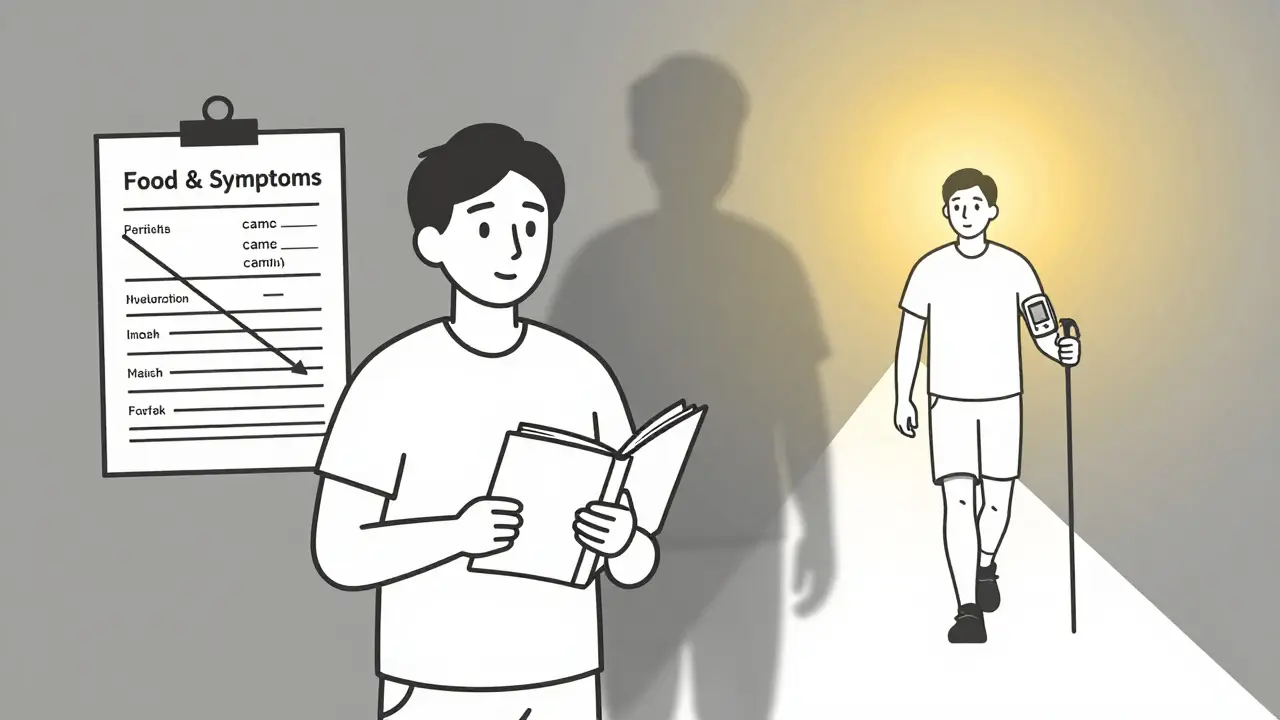
Acute pancreatitis can be a wake-up call. Quit drinking. Lose weight. Stop smoking. You might never have another episode. Chronic pancreatitis? It’s a lifelong condition. But it doesn’t have to be a death sentence. With the right enzymes, the right diet, the right supplements, and the right team, many people live full, active lives. One patient from Johns Hopkins reported her steatorrhea dropped from 4-5 times a day to just 1-2 weekly after switching to MCT oil and adjusting her enzyme dose. The key? Don’t wait for symptoms to get worse. Don’t assume your doctor knows everything. Pancreatitis is rare. Most primary care providers have never managed a chronic case. Find a specialist. Ask for a nutrition consult. Get tested for deficiencies. Track your weight. Keep a food and symptom journal. Your pancreas can’t heal itself in chronic cases. But with smart nutrition and modern medicine, you can still live well.Can acute pancreatitis turn into chronic pancreatitis?
Yes, but it’s not guaranteed. Repeated episodes of acute pancreatitis-especially if the cause isn’t removed (like continuing to drink alcohol or having untreated gallstones)-can lead to permanent scarring. Studies show that after three or more acute attacks, the risk of developing chronic pancreatitis increases significantly. Early intervention and lifestyle changes are the best way to prevent this progression.
Do I need to take pancreatic enzymes for life if I have chronic pancreatitis?
Almost always, yes. Once your pancreas loses its ability to produce digestive enzymes, it won’t regain that function. Enzyme replacement therapy (PERT) is lifelong. Dosing may need adjustment over time based on weight changes, diet, or symptoms. If you’re still having fatty stools or weight loss despite taking enzymes, your dose is likely too low. Always check with your doctor before changing it.
Is alcohol the only cause of chronic pancreatitis?
No. While alcohol causes about 90% of cases, other causes include genetic mutations (like PRSS1, SPINK1, or CFTR), autoimmune conditions, blockages in the pancreatic duct, and repeated episodes of acute pancreatitis. In about 10-15% of cases, no clear cause is found-these are called idiopathic. Genetic testing is recommended for younger patients or those without alcohol use.
Can I ever eat fat again with chronic pancreatitis?
Yes-but carefully. In the early stages of a flare-up, you should limit fat to 20-30 grams per day. Once stable, most people can tolerate 40-50 grams daily, especially if they’re taking the right dose of pancreatic enzymes. Focus on healthy fats like avocado, olive oil, and nuts, and use MCT oil for better absorption. Avoid fried foods, butter, cream, and processed snacks.
Why do I still lose weight even though I’m taking enzymes and eating enough?
Several reasons: your enzyme dose may be too low, you might not be taking them with every bite of food, or you could have another issue like bacterial overgrowth or diabetes. Malabsorption isn’t always fixed by enzymes alone. Vitamin deficiencies, especially B12 and fat-soluble vitamins, can also affect metabolism and muscle maintenance. A 72-hour fecal fat test and blood work can help pinpoint the cause. Some patients need tube feeding or specialized formulas.
Are there new treatments on the horizon for chronic pancreatitis?
Yes. The REGENERATE-CP trial is testing stem cell therapy to repair damaged pancreatic tissue, with early results showing improved enzyme production. New enzyme formulations like Creon 36,000 are more effective at fat absorption. Non-porcine enzymes (like Liprotamase) are being developed for people allergic to pig-derived products. Probiotics are showing promise for reducing pain. And continuous glucose monitors now help manage pancreatic diabetes more precisely. These aren’t cures-but they’re improving quality of life.


Glenda Marínez Granados
So let me get this straight… we’re telling people to replace their entire diet with MCT oil and enzyme pills like it’s a smoothie recipe? 😏 I’ve seen more balanced advice in a cereal box. At least the box tells you it’s 12% sugar. This reads like a pharmaceutical ad disguised as a medical journal. 🤷♀️
MAHENDRA MEGHWAL
Thank you for this meticulously detailed and clinically grounded exposition. The distinction between acute and chronic pancreatitis, particularly in relation to enzymatic insufficiency and nutritional rehabilitation, is both profound and underappreciated in primary care settings. I commend the emphasis on early hydration and the evidence-based dosing of pancreatic enzyme replacement therapy. Such clarity is a beacon for patients navigating this complex condition.
Sangeeta Isaac
ok so like… pancreas is basically a drama queen that throws a tantrum if you so much as look at a burrito wrong? 🤭 i’ve been eating avocado toast since 2017 and now i’m scared to breathe. also-MCT oil? is that like coconut oil but with a PhD? 🤓 i’m lowkey considering just moving to a cave and eating moss. anyone else feel like this article just turned their lunch into a medical exam?
Alex Carletti Gouvea
This is why America is falling apart. You can’t just hand out supplements and call it medicine. People need discipline. No more carbs. No more booze. No more excuses. If your pancreas can’t handle real food, then you’re not eating real food-you’re eating weakness. Stop relying on pills and start living like a human being.
Philip Williams
This is an exceptionally comprehensive overview. I am particularly impressed by the integration of recent clinical data, including the 2023 vitamin deficiency statistics and the emerging role of probiotics. The emphasis on multidisciplinary care is not merely prudent-it is imperative. I would encourage clinicians to integrate these protocols into standard practice and to prioritize patient education as a core therapeutic intervention.
Ben McKibbin
Let’s be real-this isn’t just about enzymes or MCT oil. It’s about reclaiming agency over your body. I’ve watched friends turn from vibrant people into ghosts, just because no one told them the truth: your pancreas doesn’t care about your coffee order. It cares if you stop drinking, if you take your pills with every bite, if you test your vitamins. This isn’t a diet. It’s a lifestyle overhaul. And yeah-it’s hard. But so is dying. Choose hard.
Melanie Pearson
It’s alarming how this article casually endorses lifelong pharmaceutical dependency without addressing systemic failures in healthcare access. Who can afford $500/month in enzyme replacements? Who has time for six small meals? This reads like a luxury guide for the insured elite. Meanwhile, millions are told to ‘just eat better’ while their food stamps run out by Wednesday. This isn’t medicine-it’s classism with a stethoscope.
Rod Wheatley
Okay, I just want to say-THIS. IS. IMPORTANT. 🙌 I’ve been living with chronic pancreatitis for 8 years, and I didn’t know about the MCT oil trick until last year. I went from 3 bowel movements an hour to maybe once a day. And the B12 shots? Life-changing. I didn’t realize I was so deficient until my hands started tingling like I’d been electrocuted. Please, please, please-if you’re reading this and you’re struggling, don’t wait. Get tested. Ask for a dietitian. Don’t let anyone tell you it’s ‘just indigestion.’ You’re not crazy. Your body is screaming. Listen.
Uju Megafu
THIS IS A TRAP. The pharmaceutical industry wrote this. They want you addicted to enzymes. They want you dependent on supplements. They don’t want you healing-they want you paying. Who funded this article? Who owns the patents on MCT oil? Who profits from your fear? Wake up. Your body doesn’t need pills. It needs fasting. It needs prayer. It needs to be cleansed-not medicated. This is not medicine. This is manipulation.
Jarrod Flesch
Just wanted to say thanks for this. I’ve been on PERT for 5 years and honestly, I thought I was the only one who knew about MCT oil. My wife started cooking with coconut oil after I told her, and now we’re both obsessed. Also-Dexcom G7? I’ve been using it for my pancreatic diabetes and it’s like having a personal health coach in my pocket. 🙌 Keep sharing this stuff. People need to know they’re not alone.
Kelly McRainey Moore
Wow, this was actually really helpful and not super scary? I didn’t know about the vitamin deficiencies thing-my doctor never mentioned it. I’ve been feeling tired forever and thought it was just ‘being a mom.’ Guess I’m getting my bloodwork done next week. Thanks for breaking it down without making me feel dumb 😊
lokesh prasanth
Enzymes don’t fix anything. Just a scam. Your body knows best. Stop fighting nature. Just eat less. Simple.
Malvina Tomja
Oh, so now we’re recommending MCT oil like it’s some miracle cure? And you’re telling people to take 90,000 units of lipase? That’s not medicine-that’s a dare. And you didn’t even mention the fact that most of these enzymes are made from pig pancreases. So you’re telling people to ingest dead animal organs to fix their own? That’s not science. That’s horror fiction. And the fact that you’re calling this ‘recovery’ is just… tone-deaf.
shubham rathee
Who says alcohol is the main cause? What about 5G? What about GMOs? What about the fact that the government doesn't want you healthy? They make more money off sick people. And the pancreas? It's just a victim of the system. You think your enzymes are the problem? Nah. It's the system. Wake up.
Stephen Rock
Wow. So much information. So little substance. You wrote a textbook. No one asked for it. We just wanted to know if we could eat pizza again. Spoiler: we can’t. And now we feel guilty. Thanks.