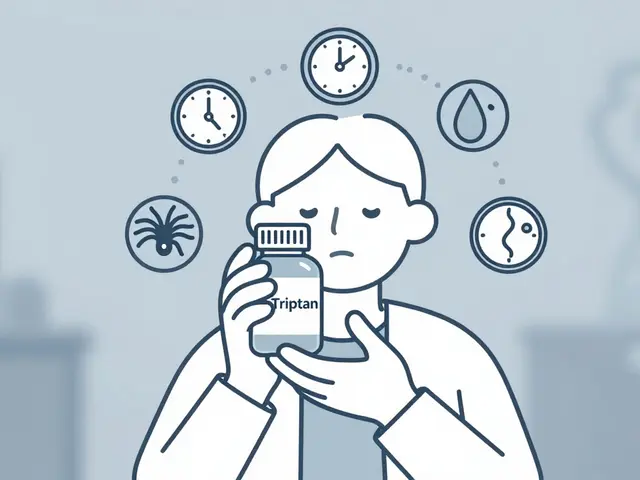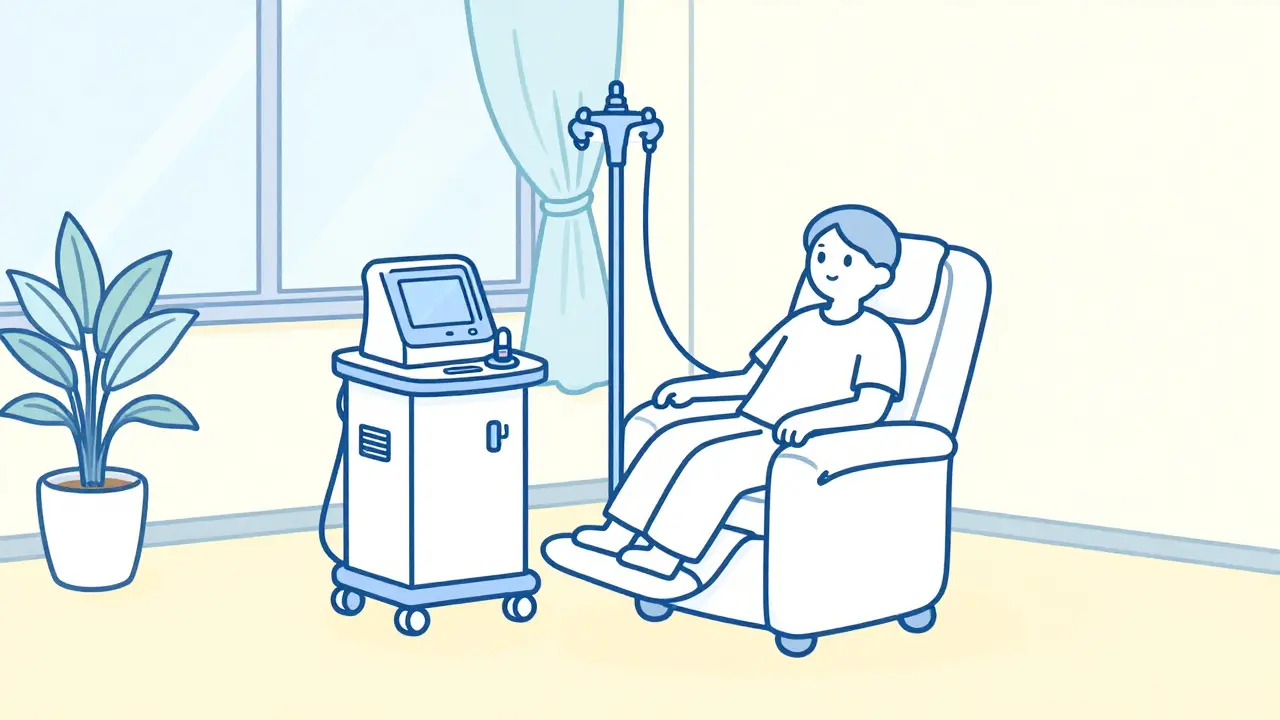
Imagine waking up and managing your life-sustaining medical treatment in your own living room instead of spending half your week in a sterile clinic. For many people dealing with home hemodialysis is a renal replacement therapy where patients perform dialysis at home using specialized machines to filter waste and excess fluid from the blood. While the idea of being your own clinician can be intimidating, the trade-off is a level of freedom and clinical stability that in-center clinics simply can't match. But is it the right fit for every patient, and what does the actual transition look like?
The Realities of Home Dialysis Schedules
One of the biggest draws of home therapy is that you aren't locked into a rigid clinic appointment. Depending on your health needs and lifestyle, you'll likely choose from one of three primary schedules. Each has a different impact on how you feel and how your body recovers.
- Conventional Home Hemodialysis: This is the closest mirror to the clinic experience. You typically do three treatments per week, lasting three to four hours each. The main benefit here isn't clinical-it's the convenience of avoiding the commute and the noise of a dialysis center.
- Short Daily Hemodialysis: This approach involves five to seven shorter sessions per week, usually two to three hours each. Because you're cleaning your blood more frequently, your body doesn't experience the "crash" often felt after long clinic sessions. Research shows this can significantly improve blood pressure control and reduce the strain on the heart's left ventricle.
- Nocturnal Home Hemodialysis: This is the "slow and steady" approach, where treatment happens while you sleep. Sessions can last six to ten hours and occur three to seven times a week. This method is a powerhouse for removing phosphorus and other middle molecules, often allowing patients to cut back on the number of phosphate binder tablets they have to swallow daily.
| Schedule Type | Frequency | Duration | Key Clinical Benefit |
|---|---|---|---|
| Conventional | 3x per week | 3-4 hours | Maximum flexibility/convenience |
| Short Daily | 5-7x per week | 2-3 hours | Better blood pressure & heart health |
| Nocturnal | 3-7x per week | 6-10 hours | Superior toxin and phosphorus removal |
Navigating the Training Process
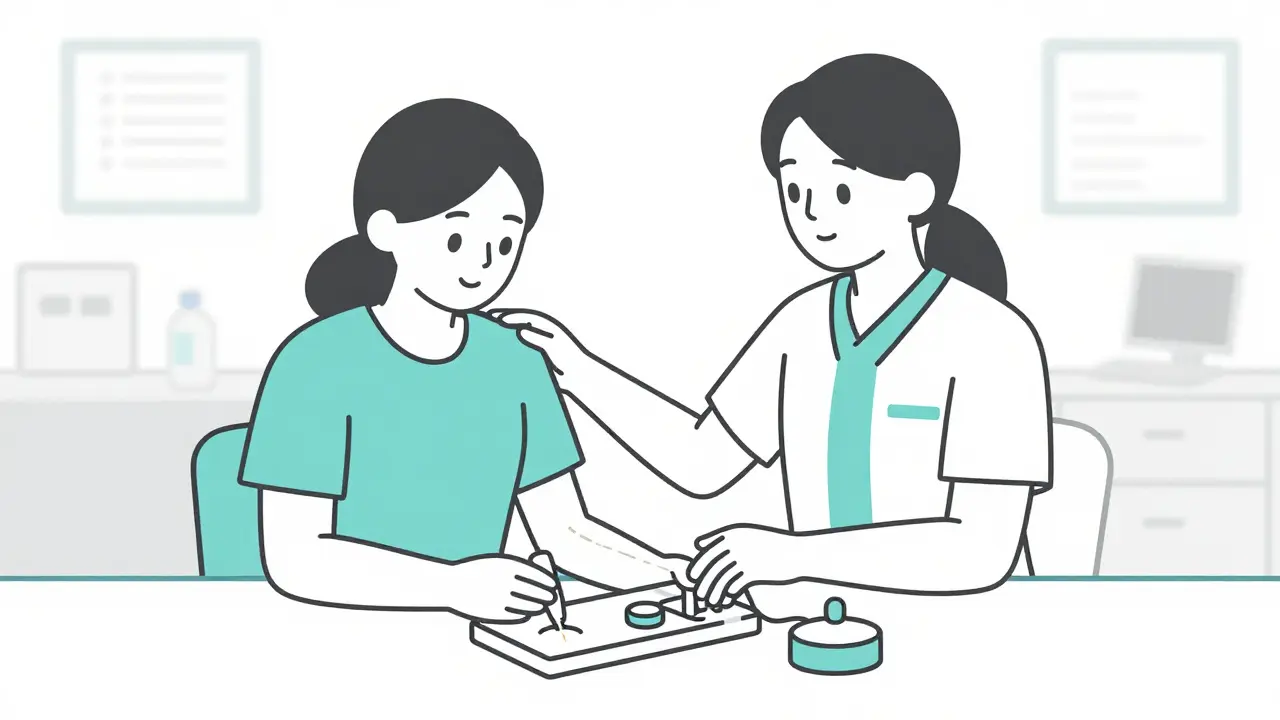
You won't be handed a machine and told to "figure it out." Training is rigorous because the stakes are high. Most patients and their partners undergo a program lasting anywhere from three to twelve weeks. The actual timeline often depends on how quickly you master self-cannulation-the act of inserting the needles into your vascular access.
Training isn't just about pushing buttons on a machine. You'll be tested on a variety of critical skills to ensure you can handle an emergency without a nurse standing next to you. Typical training modules include:
- Vascular Access Care: Learning how to safely needle your access and keep the site clean to prevent infections.
- Fluid Math: Calculating exactly how much fluid needs to be removed during a session to avoid dehydration or fluid overload.
- Machine Maintenance: Setting up the Reverse Osmosis (RO) system, which purifies the water used in the dialysate, and performing safety checks.
- Emergency Response: Recognizing the signs of low blood pressure (hypotension) and knowing exactly how to react.
- Logistics: Managing the storage and ordering of bulky supplies so you never run out of dialyzer filters or tubing.
Some modern programs are speeding this up. For example, the University of Washington has used virtual reality simulators for cannulation, which has helped more patients reach competency faster than traditional methods. Medicare generally supports this transition by paying for up to 25 training sessions for home hemodialysis.
The Essential Role of the Care Partner
Here is the part that surprises many: in most standard setups, you cannot dialyze alone. A trained care partner-usually a spouse, child, or close friend-must be present during treatment. This person isn't just a cheerleader; they are a second set of eyes and hands. They undergo the exact same training as the patient.
The care partner is there to help with needling, monitor the machine for alarms, and assist if the patient feels faint. While portable systems like the NxStage System One provide more options for independence, the partner requirement remains a significant barrier for about 30% of candidates who may not have a reliable support system at home.
Setting Up Your Home Space
Turning a bedroom or spare room into a medical suite requires some planning. You don't need a full renovation, but you do need specific technical footprints. Most machines require a dedicated area of about 6 feet by 6 feet to allow for the machine, the supply cart, and room for the patient to sit comfortably.
From a technical standpoint, you'll need to coordinate with a technician for a few key things:
- Power: A dedicated 120-volt, 20-amp circuit is usually required to prevent the machine from tripping a breaker mid-treatment.
- Plumbing: You'll need a dedicated drain line and a water supply line that maintains a pressure between 40 and 80 psi.
- Water Quality: Because you're pumping liters of water into your blood system, the water must be ultra-pure. This involves monthly cultures and strict logs to ensure no chlorine or chloramine is entering the machine.
Measuring the Outcomes: Is it Better?
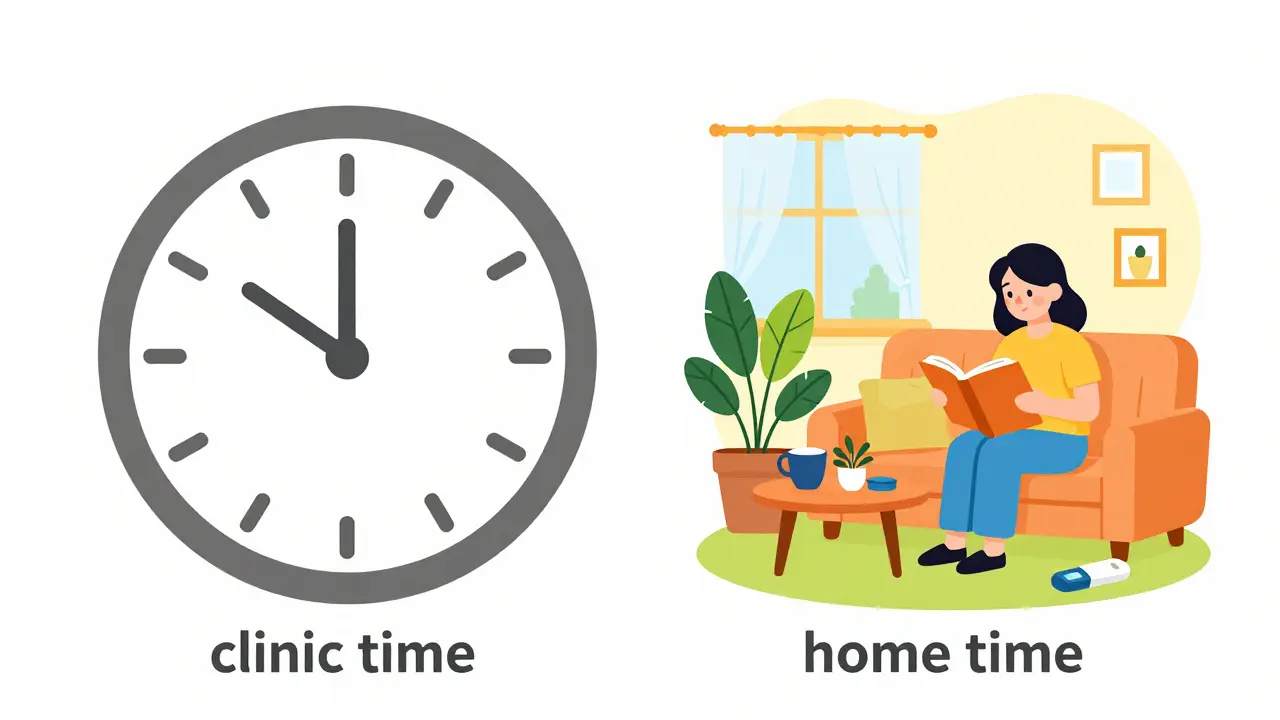
If we look at the hard data, the results are compelling. Patients using home hemodialysis often report a 37% higher quality of life compared to those in clinics. This is usually attributed to the "time gift"-saving 10 or more hours a week by not traveling to a center.
Clinically, the numbers are even more striking. Data from the United States Renal Data System (USRDS) has indicated a 15-20% lower mortality rate for home patients compared to matched in-center patients. When you move toward more frequent schedules, like nocturnal dialysis, the benefits peak. One study found a 42% reduction in serum phosphate levels, which means fewer dietary restrictions and fewer medications.
However, it's not all sunshine. The psychological toll is real. Many users report initial anxiety about handling emergencies and a certain amount of relationship strain with their care partners due to the intensity of the shared responsibility. The success of the therapy often depends more on your psychological readiness and social support than your ability to learn the machinery.
Overcoming Common Barriers
Despite the benefits, only about 12% of U.S. patients use home hemodialysis. Why? Access is the biggest hurdle. Only a small fraction of dialysis facilities actually offer the training programs required to get started. Many nephrologists point to a lack of staff training capacity and inadequate reimbursement for the time spent teaching patients as the primary roadblocks.
For the patient, the "fear factor" is the second hurdle. Self-needling is the most challenging skill, with nearly half of all trainees struggling with it initially. However, once the 20-30 supervised treatment threshold is passed, most patients find their confidence and rarely look back to the clinic.
How long does it actually take to learn home hemodialysis?
Training typically ranges from 3 to 12 weeks. On average, most patients spend 4 to 6 weeks in a program, though some accelerated programs using simulators can cut this down to 3 weeks if the patient is already comfortable with self-cannulation.
Can I travel while doing home hemodialysis?
It depends on your equipment. Standard, heavy HD machines are not portable, meaning you'd need to coordinate with a clinic at your destination. However, portable systems like the NxStage System One allow you to take your treatment with you, provided you plan for the transport of supplies and water requirements.
Do I really need a care partner?
In most traditional home hemodialysis programs, yes. Safety protocols generally require a trained partner to be present to help with needling and to intervene if you experience a medical emergency like a sudden drop in blood pressure.
Is home hemodialysis safer than clinic dialysis?
From a mortality standpoint, data suggests it can be safer, with a 15-20% lower mortality rate in some cohorts. However, the "safety" depends on the quality of training and the patient's ability to strictly follow water quality and hygiene protocols to avoid infections.
What is the biggest clinical advantage of the nocturnal schedule?
The primary advantage is the superior clearance of phosphorus and middle-sized waste molecules. Because the treatment lasts much longer (6-10 hours), it removes toxins more thoroughly, which often reduces the need for phosphate-binding medications.
Next Steps and Troubleshooting
If you're considering this transition, your first step is a candid conversation with your nephrologist about your "psychological readiness." Ask for a referral to a CMS-certified Home Hemodialysis Program.
If you lack a care partner: Explore portable options or ask your provider about the specific requirements for solo-dialysis certifications, though be aware this is less common.
If you're anxious about needling: Ask if your clinic provides VR simulators or if you can begin practicing self-cannulation while still in the center to build your confidence before the home transition.