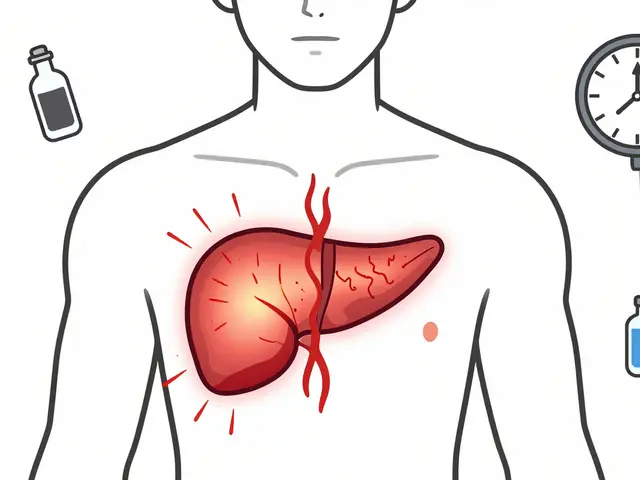
Tacrolimus Neurotoxicity Risk & Symptom Checker
Symptom & Risk Assessment
Assessment Result
This tool is for educational purposes and does not replace professional medical advice.
Imagine waking up after a successful organ transplant, only to find your hands shaking so much you can't hold a fork, or dealing with a crushing headache that won't quit. For many, this isn't just a recovery hurdle-it's a side effect of the very medication keeping their new organ alive. Tacrolimus is a powerful calcineurin inhibitor immunosuppressant used to prevent organ rejection. While it's a gold standard for kidney, liver, heart, and lung transplants, it comes with a neurological price tag that affects up to 40% of patients.
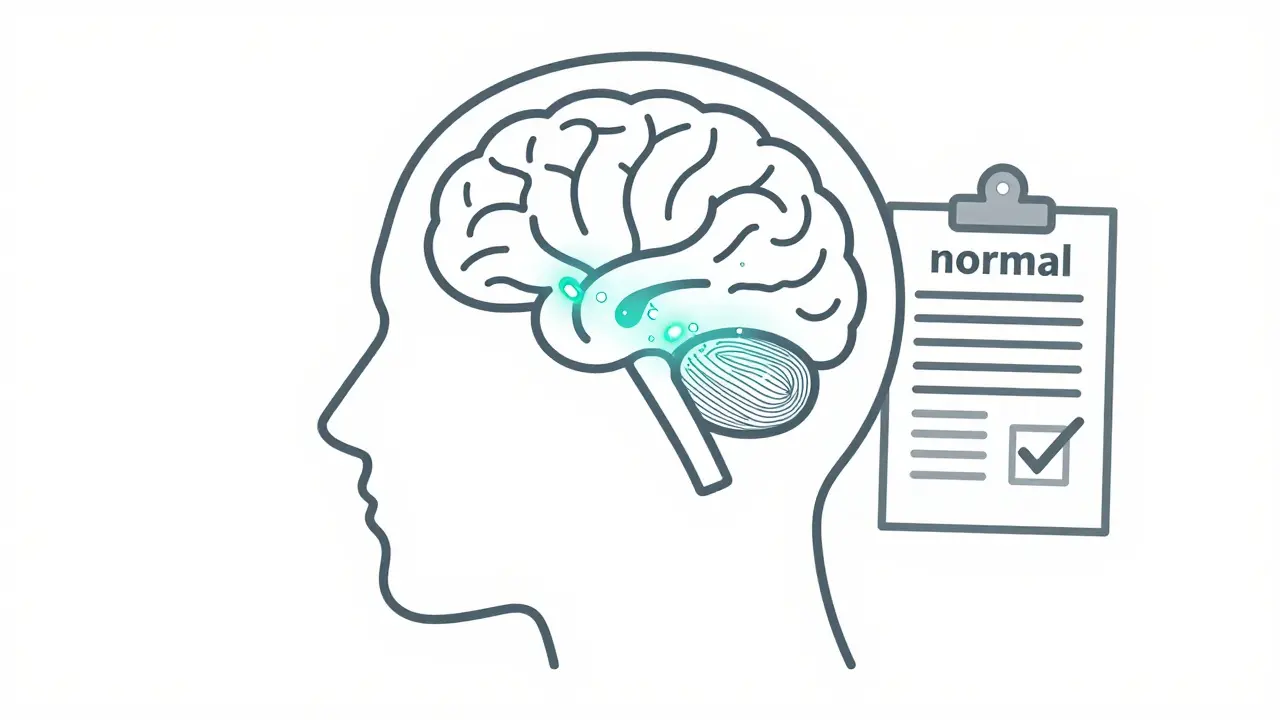
The frustrating part? You can have a "perfect" blood level on your lab report and still feel like your nervous system is misfiring. This gap between clinical numbers and real-world symptoms is where many patients and doctors struggle. Understanding how to spot these signs early and knowing which blood targets actually matter can mean the difference between a grueling recovery and a smooth transition.
| Symptom/Metric | Prevalence/Target | Key Insight |
|---|---|---|
| Tremor | 65-75% of affected | Most common first sign; often happens even within therapeutic range. |
| Headache | 45-55% of affected | Persistent and severe; sometimes only resolves by switching meds. |
| Blood Level Target | 5-15 ng/ml (varies) | Standard range, but individual sensitivity varies wildly. |
| High-Risk Organs | Liver (35.7%) | Liver recipients show higher toxicity rates than heart or lung patients. |
Spotting the Signs: From Mild Tremors to Severe Events
Neurotoxicity isn't a one-size-fits-all experience. For most, it starts with a fine tremor-a subtle shaking in the hands that makes writing a check or using a smartphone frustrating. In patient communities, this is often the "canary in the coal mine." If you notice your hands shaking more than usual, it's rarely just "stress"; it's often the drug affecting your neurons.
Then there are the headaches. These aren't typical tension headaches; patients often describe them as constant and crushing. If you're experiencing this alongside insomnia or a "pins and needles" sensation (paresthesia), you're likely seeing the effects of Calcineurin Inhibitors a class of immunosuppressants that block T-cell activation but can disrupt neurological signaling.
While most cases are manageable, there are rare but dangerous territory. A small percentage of patients may develop Posterior Reversible Encephalopathy Syndrome (PRES) a neurological condition characterized by brain swelling, seizures, and visual loss or CIDP. If you experience sudden confusion, delirium, or a loss of coordination (ataxia), this is a medical emergency, not a routine side effect.
The Blood Level Paradox: Why "In Range" Isn't Always Safe
The standard approach to dosing tacrolimus is Therapeutic Drug Monitoring (TDM). Doctors look for a specific concentration of the drug in your blood to ensure the organ isn't rejected. For instance, KDIGO Guidelines the clinical practice guidelines for kidney disease and transplantation typically suggest targets between 5-15 ng/ml for kidney patients and 5-10 ng/ml for liver or heart recipients.
However, here is the paradox: blood levels tell you how much drug is in your veins, but they don't tell you how much is crossing your blood-brain barrier. Some people have "leaky" barriers or genetic differences that make them hypersensitive. You could be sitting at a comfortable 7 ng/ml-well within the safe zone-and still experience severe tremors. This is why some experts are pushing for CYP3A5 Genotyping a genetic test that determines how a person metabolizes tacrolimus , which could potentially reduce toxicity risks by nearly 27% by tailoring the dose to your DNA rather than a generic chart.
Who Is Most at Risk?
Not every transplant recipient faces the same odds. If you've had a liver transplant, you're statistically more likely to deal with these issues (around 35.7%) compared to someone with a heart transplant (15.2%). The reason is often tied to the complexity of liver recovery and the systemic inflammatory response associated with that specific surgery.
Beyond the organ type, your chemistry matters. Keep an eye on your sodium levels. Hyponatremia-where your blood sodium drops below 135 mmol/L-is a major trigger for neurotoxicity. In some cases, simply fixing a sodium imbalance can stop the tremors without needing to touch the tacrolimus dose. It's also worth noting that other meds can make things worse. If you're taking certain antibiotics like carbapenems or antipsychotics like risperidone, you might be increasing your risk of seizures when combined with tacrolimus.
Practical Management and Switching Strategies
When the shaking and headaches become too much, what actually works? The most common move is a dose reduction. Some patients find that dropping their dose slightly (e.g., from 0.1 mg/kg to 0.07 mg/kg) clears the tremors within 72 hours while still keeping the organ safe.
If a dose drop doesn't work, doctors often switch the patient to Cyclosporine an older calcineurin inhibitor that generally has a lower risk of neurotoxicity than tacrolimus . While this often solves the neurological problem, it's a calculated risk; cyclosporine is slightly less effective at preventing acute rejection, increasing that risk by about 15-20%.
Other alternatives include sirolimus or belatacept, though these aren't always a direct swap depending on your specific transplant and risk profile. The goal is always the same: find the "sweet spot" where the drug is strong enough to stop the immune system from attacking the organ, but not so strong that it attacks your brain.
Can I have tacrolimus neurotoxicity if my blood levels are normal?
Yes. Many patients experience tremors and headaches even when their tacrolimus levels are well within the therapeutic range (e.g., 5-15 ng/ml). This happens because blood tests don't measure how much of the drug is actually penetrating the brain or how sensitive your individual nervous system is to the medication.
How long does it take for tremors to go away after a dose change?
Symptom resolution typically occurs within 3 to 7 days after a dose reduction or a switch to another medication. In some reported cases, patients have seen a complete resolution of tremors in as little as 72 hours following a successful dose adjustment.
Which transplanted organ carries the highest risk of neurotoxicity?
Liver transplant recipients have the highest incidence of tacrolimus-associated neurotoxicity, with rates around 35.7%. This is significantly higher than kidney (22.4%), lung (18.9%), or heart (15.2%) recipients.
Are there other medications that make tacrolimus neurotoxicity worse?
Yes. Certain drugs can compound the risk, particularly those that increase seizure susceptibility. These include carbapenems, linezolid, midazolam, propofol, and certain antipsychotics like haloperidol, risperidone, and olanzapine.
What is the difference between a normal tremor and a serious neurological event?
Common neurotoxicity manifests as mild hand tremors, headaches, and insomnia. Serious events include delirium, ataxia (loss of muscle coordination), speech arrest, or symptoms of Posterior Reversible Encephalopathy Syndrome (PRES). Any sudden change in mental status or severe coordination loss requires immediate medical attention.
Next Steps for Patients and Caregivers
If you suspect you're dealing with these side effects, don't just "tough it out." Start a symptom log. Note exactly when the tremors start and if they correlate with your medication timing. This data is far more valuable to your doctor than a single blood draw.
Ask your transplant team about your electrolyte levels, specifically sodium and magnesium. If you are in a high-risk group (like liver recipients), request more frequent neurological screenings during the first 30 days post-transplant, as this is when the risk is most acute. Finally, if you're at an academic medical center, ask about CYP3A5 genotype testing to see if a more personalized dosing strategy could eliminate your symptoms without risking your graft.