
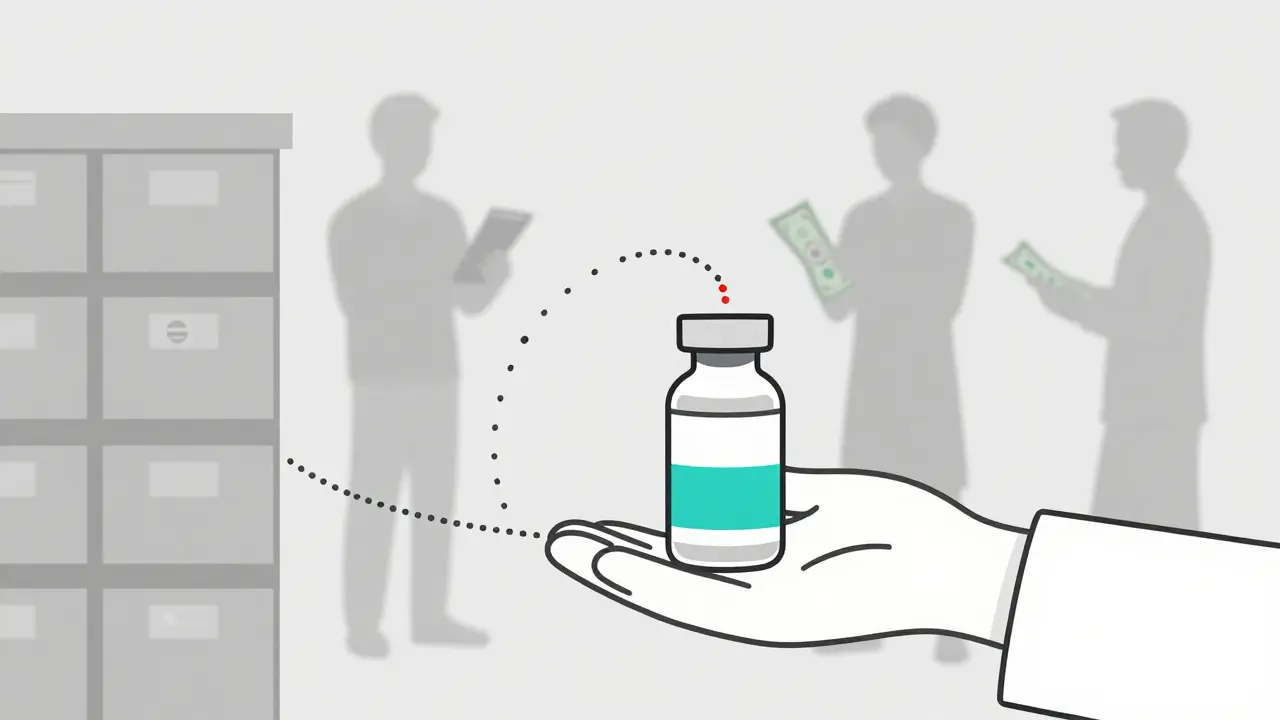
Every year, 100 million people are pushed into extreme poverty because they can’t afford basic medicine. In many low-income countries, a single course of antibiotics or antiretroviral drugs can cost more than a month’s wages. Yet the solution isn’t new - it’s been sitting in plain sight: generic drugs.
Generics are exact copies of branded medicines. Same active ingredients. Same dosage. Same effect. But they cost 80% less. In the U.S., 9 out of 10 prescriptions are filled with generics. In low-income countries? Only 5 out of 100. Why?
Why Generics Work - And Why They Don’t Reach Everyone
The science is simple. Once a drug’s patent expires, any manufacturer can produce it. No need to repeat expensive clinical trials. No need to pay for marketing. That’s why a 30-day supply of generic antiretroviral drugs for HIV, which once cost $10,000 per patient annually, now costs under $70. This drop didn’t happen by accident. It was driven by companies like Cipla and Hikma, which began producing affordable versions in India and other low-cost manufacturing hubs.
Between 2000 and 2015, these generics helped treat over 20 million people with HIV in sub-Saharan Africa. Tuberculosis and malaria treatments followed the same path. But here’s the catch: while these drugs are available, they’re not reaching the people who need them most.
The Hidden Barriers Between Medicine and Patients
It’s not enough to make cheap drugs. You have to get them into clinics, pharmacies, and homes. And that’s where things fall apart.
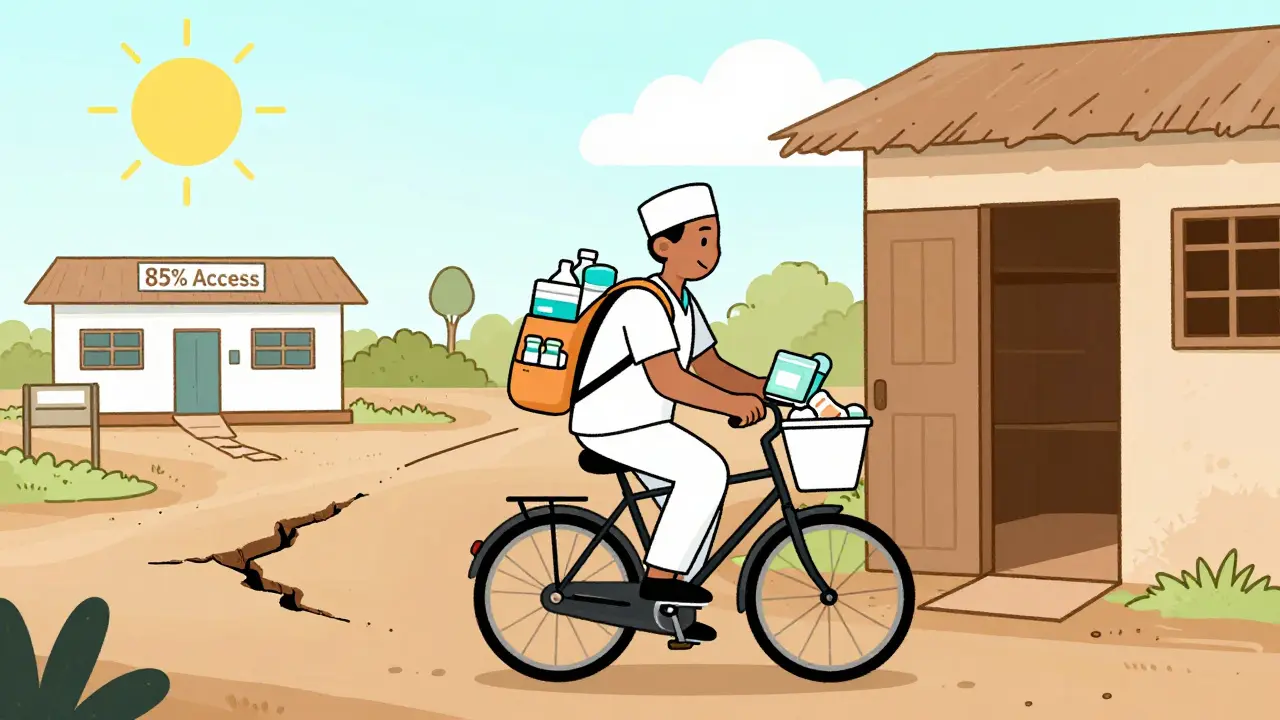
- Supply chains break down. In rural areas of Malawi or Nepal, medicines often sit in warehouses because roads are impassable, refrigeration fails, or transport costs eat up profits.
- Regulations are slow or inconsistent. Some countries take over two years to approve a generic drug. Others don’t have the labs to test quality. Patients end up with fake or substandard versions - and lose trust in all generics.
- Taxes and tariffs add cost. Many governments still charge import duties on medicines. A $10 drug can become $15 after taxes. That’s the difference between treatment and no treatment.
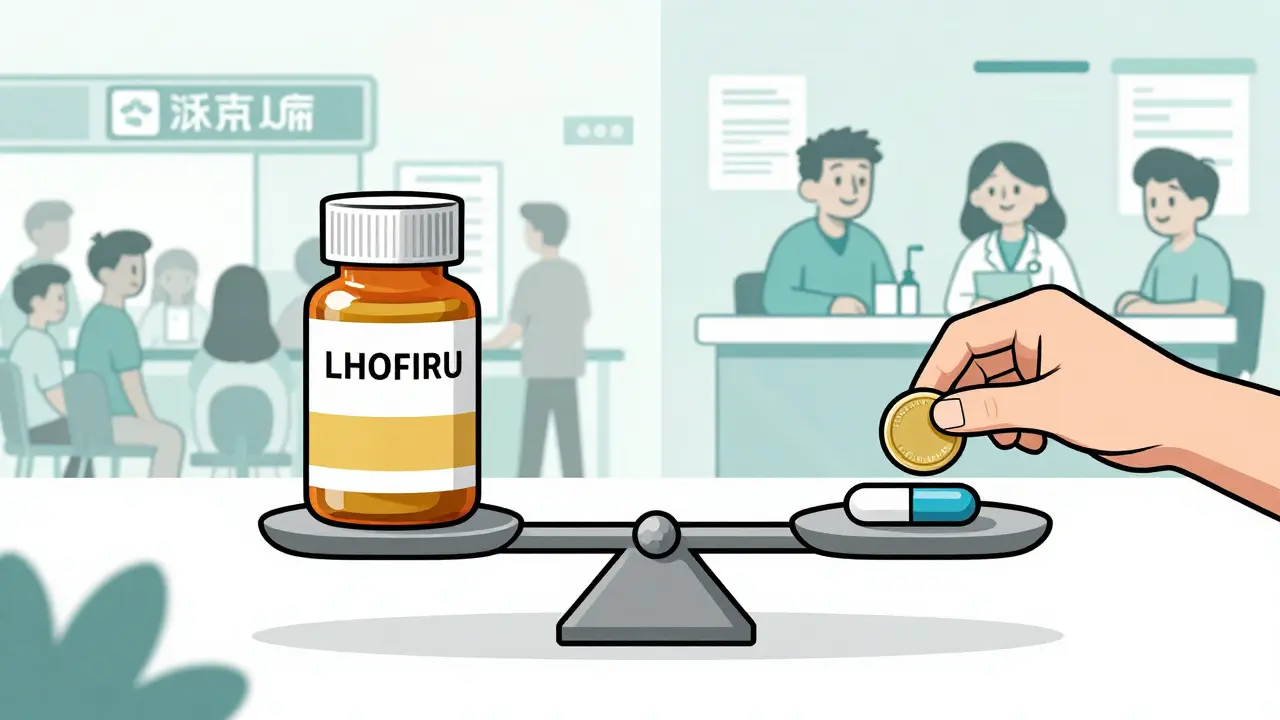
And then there’s the perception problem. In many places, people believe branded drugs are better. A mother in Nigeria might pay double for a branded antibiotic because she’s afraid the cheaper version won’t work. Even when generics are proven safe, stigma and misinformation keep them off shelves.
Who’s Making Generics - And Who’s Not Helping
Five major generic manufacturers - Cipla, Hikma, Sun Pharma, Teva, and Viatris - produce 90% of the off-patent drugs needed in low-income countries. They’ve made progress. But their strategies often skip the poorest patients.
For example, they may sell to governments or NGOs at low prices - but those governments often can’t afford to distribute the drugs. Meanwhile, patients still pay out-of-pocket. A 2024 analysis by the Access to Medicine Foundation found that these companies had access strategies for only 41 out of 102 essential drugs. And none of those strategies focused on making drugs affordable for someone earning less than $2 a day.
Big pharmaceutical companies like Pfizer and Novartis have set up programs to help, but they rarely publish how many people actually get the medicine. Transparency is missing. Without knowing who’s being helped - and who’s not - we can’t fix the system.
What’s Working: Real Solutions on the Ground
Some places are getting it right.
In Rwanda, the government stopped charging import taxes on essential medicines. They streamlined approval for generics. They trained community health workers to deliver drugs door-to-door. Today, over 85% of essential medicines are available in public clinics - above the WHO target of 80%.
In Thailand, the government started producing its own generic HIV drugs. They cut costs further and now supply not just their own population, but also neighboring countries. The result? HIV treatment coverage jumped from 20% to over 90% in a decade.
Even in places with weak infrastructure, innovation is happening. In Uganda, Gilead ran clinical trials for a new long-acting HIV prevention drug - not just for data, but to build local capacity. Merck and Novartis partnered with African labs through the PAMAfrica consortium to test new antimalarials using local supply chains.
These aren’t miracles. They’re policy choices. They’re investments. They’re political will.
The Real Cost of Doing Nothing
More than 2 billion people still can’t get essential medicines. In low-income countries, medicine makes up 20% to 60% of total health spending - and nearly 90% of that is paid directly by families. That’s why so many people choose between feeding their children and buying medicine.
The Abuja Declaration in 2001 asked African nations to spend at least 15% of their budgets on health. More than 20 years later, only 23 of 54 countries met that target. When governments don’t invest, private markets fill the gap - and prices go up.
Meanwhile, clinical trials for new drugs still happen mostly in high-income countries. Only 43% of trials include patients from low-income countries. That means drugs are tested on populations that don’t look like the people who need them most. The science doesn’t always translate.
What Needs to Change - And How
Here’s what actually moves the needle:
- Drop tariffs and taxes on medicines. Every dollar added by import fees is a dollar taken from a sick person’s pocket.
- Speed up approval for generics. Countries like Kenya and Ghana have cut approval times from 2 years to under 6 months. It’s possible.
- Invest in public health systems. No medicine helps if clinics are empty, refrigerators are broken, or health workers are unpaid.
- Support local manufacturing. Countries that make their own generics - like India, South Africa, and Brazil - have better access. Building local capacity reduces dependency on imports.
- Build trust through transparency. Publish data. Show patients where drugs come from. Prove they’re safe. Use community health workers to educate.
There’s no magic bullet. But we know what works. The tools are here. The drugs are cheaper than ever. The question isn’t whether we can fix this - it’s whether we’re willing to.
What’s Next?
The world has the knowledge. We’ve seen it work in Rwanda, Thailand, and Ethiopia. We’ve seen how generics saved millions from HIV and TB. But unless we fix the systems that deliver them - not just make them - millions more will keep dying because they can’t afford the cure.
The next step isn’t more reports. It’s action. It’s policy. It’s governments choosing health over profit. It’s donors demanding transparency. It’s patients demanding their rights.
Generics aren’t the problem. They’re the solution. The question is - who will make sure they reach the people who need them most?
Are generic drugs safe for use in low-income countries?
Yes - if they’re properly regulated. Generic drugs must meet the same quality standards as branded drugs. The WHO prequalifies generics from manufacturers that pass strict testing. Countries like India and South Africa produce WHO-certified generics used by UN agencies worldwide. The problem isn’t safety - it’s access to quality-assured products. Many low-income countries lack labs to test drugs, so counterfeit or substandard medicines enter the market. That’s why supply chain oversight and regulatory investment are critical.
Why do generic drugs cost so little compared to branded ones?
Branded drugs recover massive R&D costs - often over $2 billion per drug - through patents and marketing. Once the patent expires, generics skip those costs. They don’t need to repeat clinical trials. They don’t spend millions on ads. They just make the same molecule. Manufacturing in countries with lower labor and regulatory costs drives prices even lower. A single generic HIV drug can cost $70 a year, while the branded version once cost $10,000. The difference is not in quality - it’s in business model.
Do low-income countries produce their own generic drugs?
Some do - and it’s changing outcomes. India is the world’s largest supplier of generic drugs, providing over 50% of the world’s affordable medicines. South Africa, Brazil, and Thailand also produce generics locally. Local production reduces import delays, cuts costs further, and builds long-term health independence. But many low-income countries still rely on imports due to lack of manufacturing infrastructure, skilled labor, or investment. Building local capacity is key to sustainable access.
How do patents affect access to generics in poor countries?
Patents give drugmakers exclusive rights to sell a medicine, usually for 20 years. During that time, no generic version can be made. The 1995 TRIPS Agreement allowed developing countries to ignore patents in public health emergencies - like HIV or malaria outbreaks. Countries like India and Brazil used this flexibility to produce generics during the AIDS crisis. But today, pressure from wealthy nations and trade deals often limit this flexibility. New rules like data exclusivity - which block generics even after patents expire - are making access harder, not easier.
Why don’t governments in low-income countries just buy more generics?
They often want to - but they can’t. Many governments spend less than 5% of their budget on health, far below the WHO-recommended 15%. Even if generics cost 80% less, they still need funding to buy, store, and deliver them. Health systems are underfunded. Supply chains are broken. Staff are unpaid. So medicines sit in warehouses. The issue isn’t price - it’s political will. When governments prioritize health spending, generics become tools for survival - not just commodities.
Can big pharmaceutical companies help improve access?
Some do - but inconsistently. Companies like Novartis and Pfizer offer tiered pricing or voluntary licenses to allow generic production. But their programs often exclude the poorest countries or don’t report how many patients actually benefit. True impact requires transparent data, pricing tied to ability to pay, and long-term partnerships with local health systems - not just charity campaigns. Until companies treat access as core to their mission - not a PR side project - progress will remain uneven.

Tola Adedipe
Let’s be real - the whole generic drug crisis isn’t about cost, it’s about power. Big pharma’s got lobbyists writing trade deals while kids in Malawi die because a $10 drug got taxed to $18. And don’t get me started on how Western NGOs act like saviors while ignoring local manufacturing. India’s been making WHO-approved generics for decades, yet we act like they’re some shady back-alley chemists. This isn’t charity. It’s justice. Stop treating medicine like a luxury good and start treating it like a human right.
Joey Gianvincenzi
While I appreciate the sentiment expressed in the original post, I must emphasize that the structural challenges surrounding pharmaceutical access in low-income countries are not merely logistical or fiscal in nature - they are deeply embedded within the global geopolitical architecture of intellectual property, trade asymmetry, and institutional capacity deficits. The assertion that generics are a panacea, while well-intentioned, risks oversimplifying a multidimensional crisis requiring systemic reform, not merely market substitution.
Amit Jain
LOL at people acting like generics are some miracle cure. I work in pharma in Mumbai - we make 70% of the world’s generics. But guess what? Most of them sit in warehouses because some bureaucrat in Kinshasa hasn’t approved them yet. And don’t even get me started on how Western donors show up with their laptops and ‘solutions’ while local pharmacists get paid $30/month. We don’t need more reports. We need people who’ve actually been in a rural clinic in Uganda. Stop talking. Start showing up.
Sarah B
Generics are just another way the west is forcing its agenda on poor countries. If people want branded drugs they should be able to buy them. Why should Indian companies get to undercut American innovation? We invented these drugs. They just copy them. And now we’re supposed to feel guilty? No. We built the science. Let them build their own.
Eric Knobelspiesse
ok so like… i read this whole thing and i think the real issue isnt even the drugs its the fact that we keep treating healthcare like its a math problem. like if we just lower the price by 80% then everyone gets it? nah. its not about cost its about trust. and dignity. and like… if your grandma got a generic pill and she thought it was fake because the packaging looked different… would you give it to her? no. so we need to fix the story not the supply chain. also typo: its not 80% less its 90% less. i think. maybe. idk. i had coffee.
Heather Burrows
I understand the argument, but I can’t help but feel that this whole discussion is just another example of well-meaning people from wealthy nations projecting their moral obligations onto communities they don’t truly understand. There’s a quiet dignity in suffering - in choosing between food and medicine - that we romanticize while pretending we have the answers. Perhaps the solution isn’t more drugs, but less interference. Let local systems evolve. Let communities decide. We’ve been telling them what to do for centuries. Maybe it’s time to listen.
Ritu Singh
What’s fascinating is how the same people who champion intellectual property rights in Silicon Valley suddenly become humanitarians when it comes to global health. The truth is, the TRIPS waiver wasn’t a gift - it was a correction. India didn’t become the pharmacy of the developing world because of charity. It was because they refused to let patents override survival. And now, when African nations try to build local manufacturing, they’re met with ‘technical assistance’ that’s really just gatekeeping. We need to stop praising India for doing what every sovereign nation should be allowed to do: protect its people. This isn’t generosity. It’s sovereignty.
Mark Harris
Bro. Rwanda did it. Thailand did it. Why can’t everyone else? Stop overcomplicating it. Drop the tariffs. Train the workers. Fix the fridges. Pay the nurses. That’s it. No new app. No new NGO. Just do the damn thing. I’ve been to clinics in Zambia - the medicine is there. It’s just sitting in a locked room because the key is with the guy who hasn’t been paid in 6 months. That’s not a supply chain issue. That’s a leadership failure. Stop looking for complex solutions. The answer’s in the room with the broken refrigerator.
Savannah Edwards
There’s something deeply emotional about this entire issue that I think we’re missing. It’s not just about dollars or regulations or even supply chains - it’s about the quiet moment when a mother in rural Kenya stands in line at a clinic, holding her child, and asks if the medicine is real. She’s not asking because she’s ignorant. She’s asking because she’s been lied to before. Because last time, the pills didn’t work. Because the branded box had a logo she trusted. And now, after years of exploitation, of counterfeit drugs, of broken promises - she’s terrified. So when we talk about trust, we’re not talking about marketing. We’re talking about trauma. We’re talking about generations of medical abandonment. And no amount of cost-cutting will heal that. We have to rebuild trust, one pill, one conversation, one honest government at a time. It’s not a policy problem. It’s a relationship problem.