Samsca: What It Is, How It Works, and What You Need to Know About Fluid Balance Drugs
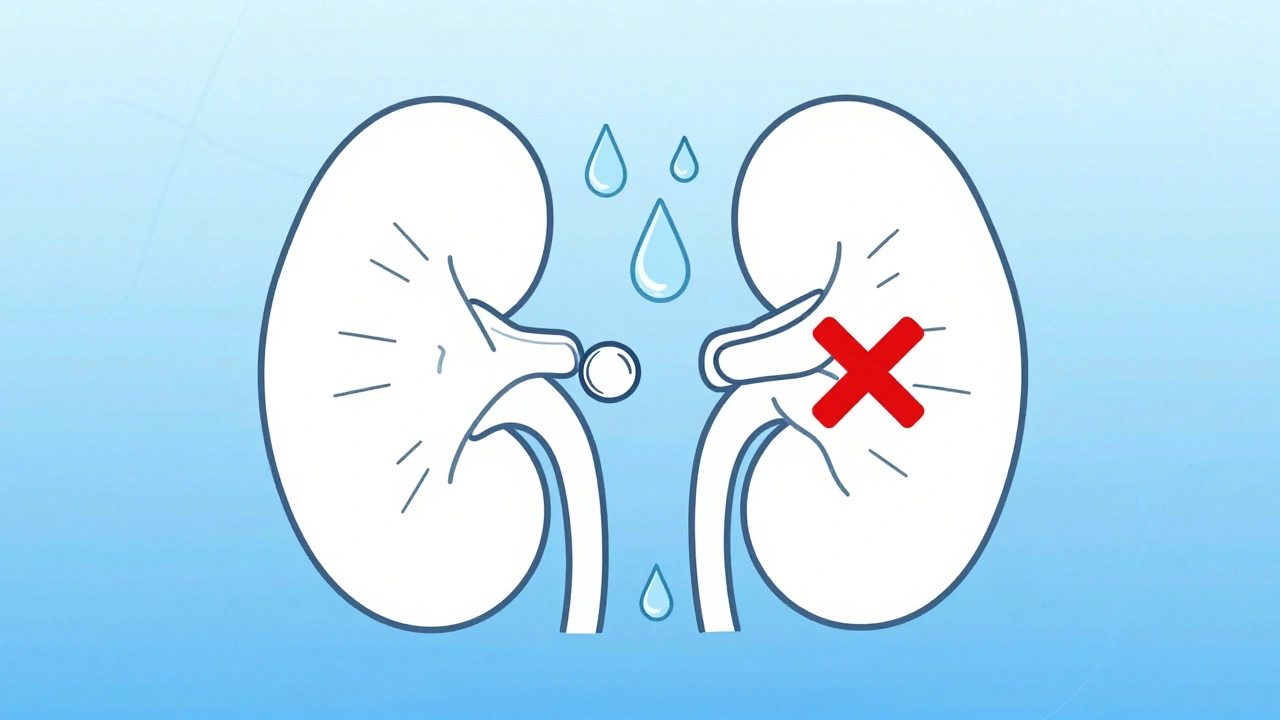
When your body holds onto too much water and your sodium levels drop dangerously low, Samsca, a prescription medication containing tolvaptan, used to treat low sodium levels by helping the kidneys remove excess water without losing salt. Also known as tolvaptan, it’s one of the few drugs designed to fix hyponatremia without causing dehydration or electrolyte crashes. Unlike diuretics that flush out sodium along with water, Samsca targets only the excess fluid—making it a precise tool for people with conditions like SIADH, heart failure, or liver cirrhosis where water retention throws off your blood chemistry.
This drug doesn’t work for everyone. It’s meant for people whose bodies can’t properly regulate water because of hormonal imbalances or organ stress. For example, if you’ve been diagnosed with syndrome of inappropriate antidiuretic hormone secretion (SIADH), Samsca helps your kidneys stop reabsorbing too much water. But if your low sodium is from dehydration or salt loss, this drug could make things worse. That’s why doctors monitor your sodium levels closely—usually daily at first—to make sure you’re not correcting too fast, which can lead to brain damage. It’s not a quick fix; it’s a careful balancing act.
Samsca is often used alongside other treatments. People on it might also be taking medications for heart failure, like ACE inhibitors, or managing liver disease with dietary changes. But you need to watch out for interactions. Drugs like ketoconazole or grapefruit juice can raise tolvaptan levels in your blood, increasing side effect risks. And because it’s a strong diuretic, you’ll need to track how much you’re drinking and urinating. Too much water intake while on Samsca can cancel out its effect, while too little can lead to dehydration.
It’s also not for long-term use without supervision. The FDA has issued warnings about liver injury with extended use, so regular blood tests are required. Most patients take it short-term to correct sodium levels, then switch to other strategies to keep them stable. If you’re on Samsca, you’re likely being watched closely—not just for sodium, but for kidney function, liver enzymes, and signs of overcorrection.
What you’ll find in the posts below are real-world stories and science-backed details about how drugs like Samsca fit into broader health management. You’ll read about how to monitor kidney function when taking powerful meds, how drug interactions can sneak up on you, and why some treatments that seem simple actually require deep, ongoing attention. Whether you’re a patient, caregiver, or just trying to understand what your doctor is talking about, these posts cut through the noise and give you what matters: clear facts, real risks, and practical steps to stay safe.