Opioids in Elderly: Risks, Alternatives, and Safe Use
When opioids in elderly, a class of powerful painkillers like oxycodone, hydrocodone, and morphine used for chronic pain. Also known as narcotics, they can quickly become risky for older adults due to slower metabolism, existing health issues, and higher sensitivity to side effects. Many seniors are prescribed opioids after surgery or for arthritis, but the dangers often outweigh the benefits. Studies show that older adults are up to three times more likely to suffer from opioid-related breathing problems than younger people, especially if they also take sleep aids, benzodiazepines, or gabapentin.
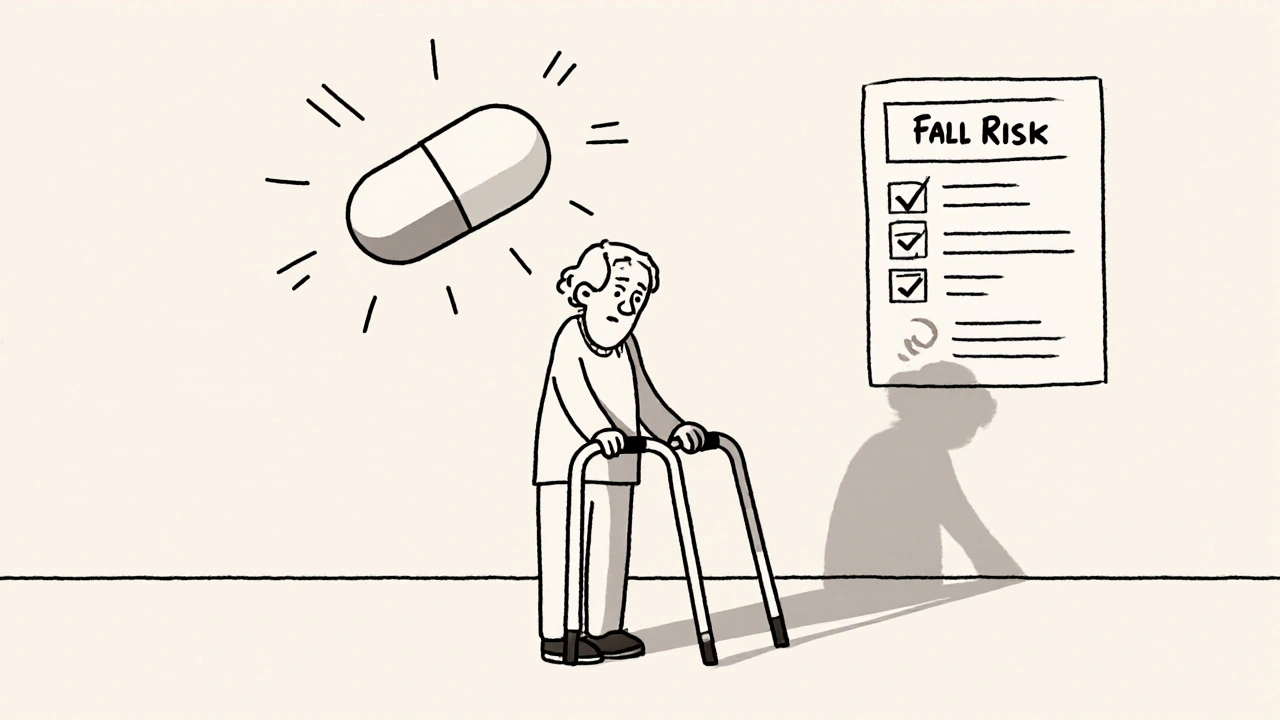
The biggest problem isn’t just addiction—it’s respiratory depression, a dangerous drop in breathing rate that can lead to coma or death. This risk climbs when opioids are combined with other sedating drugs, which many seniors take for anxiety, insomnia, or nerve pain. Falls are another silent threat: opioids cause dizziness and confusion, increasing the chance of hip fractures, which can be life-threatening for older people. And because kidneys and liver slow down with age, opioids stick around longer, building up to toxic levels even at normal doses.
That’s why alternatives matter. For chronic pain, non-opioid options like acetaminophen, physical therapy, or topical lidocaine patches often work just as well—with far fewer risks. If opioids are truly necessary, doctors should start with the lowest possible dose and check in often. Regular kidney and liver tests, avoiding drug combinations, and using pill organizers can help reduce harm. Many seniors don’t know they’re at risk, and their doctors may not ask the right questions. But you can. Ask: "Is this the safest option?" and "What happens if I stop?"
The posts below dig into real cases and science behind these risks. You’ll find how gabapentinoids increase overdose danger when mixed with opioids, how to safely restart pain meds after a break, and why certain diabetes drugs can make opioid side effects worse in seniors. There’s also guidance on spotting dangerous interactions, understanding drug labels, and choosing safer pain relief without turning to pills. This isn’t about fear—it’s about making smarter choices with the information you have.