
Opioid Safety Calculator for Older Adults
Opioid Safety Calculator
Calculate safe starting opioid doses for seniors based on age, weight, and medical conditions. This tool follows guidelines from the American Geriatrics Society and CDC.
Results
Risk Assessment
Key Recommendations
When an older adult starts taking opioids for pain, the goal is simple: reduce discomfort. But what often follows isn’t simple at all. Many seniors end up falling more often, feeling confused, or even ending up in the hospital-not because the medication didn’t work, but because it was too much, too fast, or just wrong for their body. The truth is, opioids are far more dangerous for older adults than most doctors and patients realize. And the risks don’t just add up-they multiply.
Why Older Bodies React Differently to Opioids
Your body changes as you age. Kidneys slow down. Liver enzymes don’t work as efficiently. Fat increases. Muscle decreases. Blood flow to the brain drops. All of this means drugs like opioids stay in the system longer, build up more easily, and hit the brain harder. A dose that’s safe for a 40-year-old might be dangerous for a 70-year-old.Studies show that older adults metabolize opioids 25% to 50% slower than younger people. That’s why guidelines from the American Geriatrics Society and the CDC both say: start with half the usual dose. But too often, doctors don’t. A 2021 analysis of Medicare claims found that nearly 60% of seniors prescribed opioids for the first time got doses higher than recommended for their age group.
It’s not just about dosage. Opioids also cross the blood-brain barrier more easily in older adults. This means even small amounts can cause sedation, dizziness, and confusion-symptoms that are often mistaken for normal aging or early dementia. That’s why a senior who seems “a little off” after starting oxycodone might actually be having a drug reaction, not just getting older.
Falls: The Silent Epidemic
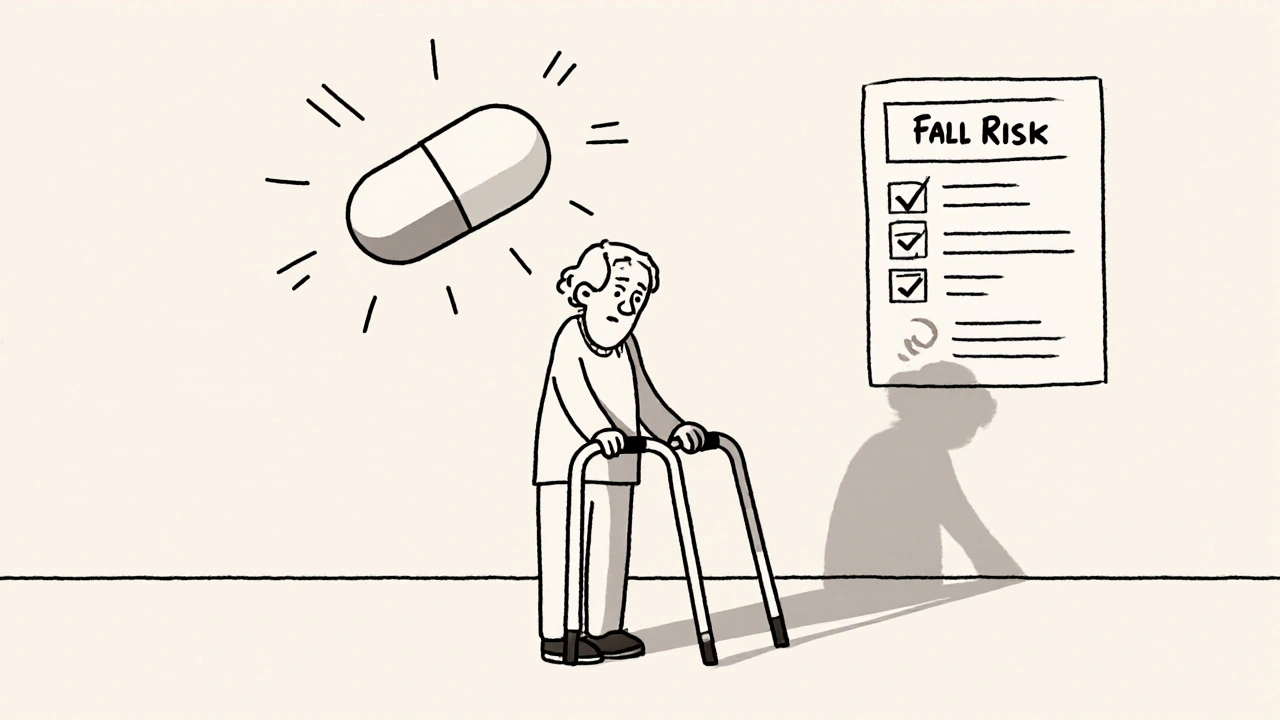
Falls are the leading cause of injury-related death in adults over 65. And opioids are one of the biggest, yet least talked about, contributors.How? Three ways:
- Sedation-opioids slow brain activity, making reactions sluggish.
- Orthostatic hypotension-blood pressure drops when standing, causing dizziness or fainting.
- Impaired balance and coordination-opioids affect the cerebellum, the part of the brain that controls movement.
Tramadol, often thought of as a “mild” opioid, adds another layer of risk. It can cause hyponatremia-low sodium in the blood-which leads to confusion, nausea, and weakness. A 2022 review in PMC found tramadol increased fall risk by 40% compared to other pain meds in seniors.
One study of 2,341 adults over 60 found that those taking opioids had a 6% fracture rate over 33 months, compared to 4% in non-users. That difference might not sound huge, but for someone who’s already frail, one fall can mean a broken hip-and a lifetime of disability.
Delirium: Confusion That’s Not Just Aging
Delirium isn’t dementia. It’s sudden, reversible brain dysfunction caused by illness, infection, or-yes-medications. Opioids are a top trigger.Older adults with dementia are especially vulnerable. A landmark 2023 study from Denmark tracked 75,471 seniors with dementia over 10 years. Those who started opioids had an 11 times higher risk of dying within two weeks compared to those who didn’t. The biggest killers? Respiratory depression and sudden cardiac events, both worsened by opioids.
Here’s what makes it worse: families and even doctors often miss the signs. A senior who’s suddenly withdrawn, forgetful, or agitated might be labeled as “just getting worse with dementia.” But if they started an opioid two days ago? That’s not progression-it’s poisoning.
And it’s not rare. In that same Danish study, 42% of dementia patients were prescribed opioids. That’s nearly half. And many of those prescriptions were started in emergency rooms or by doctors who didn’t fully understand the risks.
Dose Adjustments: The Only Safe Way Forward
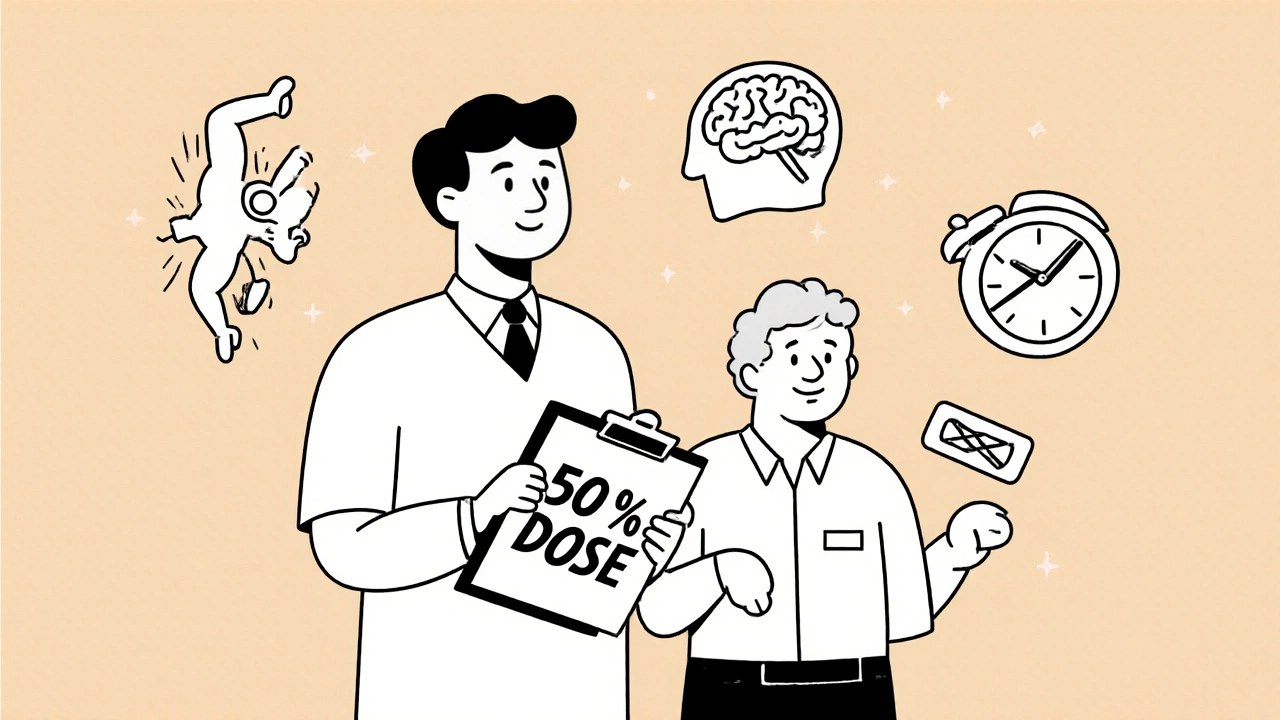
There’s no such thing as a “standard” opioid dose for seniors. Every person is different. But there are clear rules that work:- Start at 25-50% of the adult dose-even for weak opioids like codeine or tramadol.
- Wait at least 5-7 days before increasing the dose. Older bodies take longer to respond.
- Avoid long-acting opioids like fentanyl patches or extended-release oxycodone unless absolutely necessary. They build up slowly and are harder to reverse.
- Never combine opioids with benzodiazepines, sleep aids, or antihistamines. These drugs multiply sedation and respiratory depression.
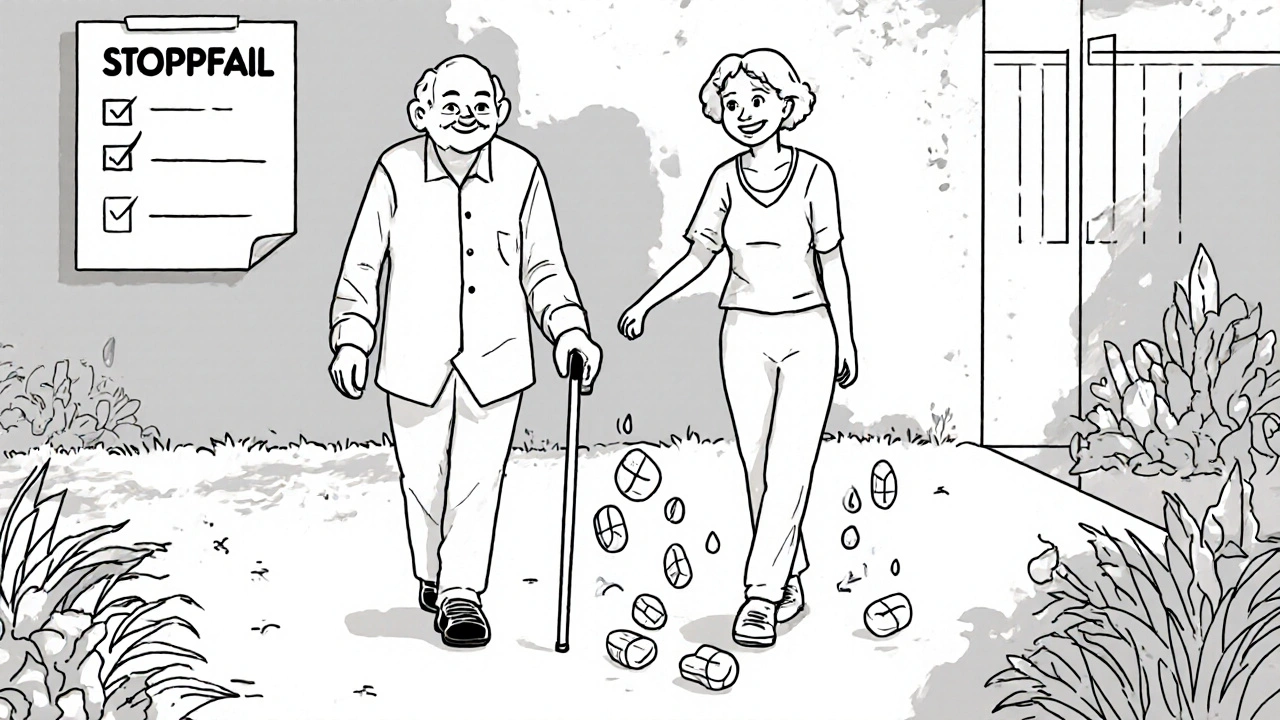
The STOPPFall tool, developed by geriatric experts, gives doctors a simple checklist: Is the patient at risk for falls? Are they on multiple meds? Do they have cognitive issues? If yes to any, reconsider opioids-or reduce the dose immediately.
And if pain isn’t improving after 2-4 weeks? That’s a red flag. Opioids rarely improve function in chronic pain. They just mask it. And masking pain can lead to overuse, more falls, and more injury.
When Opioids Might Still Be Needed
This isn’t about banning opioids. It’s about using them wisely.There are times they’re appropriate: after major surgery, during cancer treatment, or for end-of-life care. But even then, the dose must be low, the monitoring tight, and the plan clear.
For chronic back pain, osteoarthritis, or neuropathy? Non-opioid options are safer and often more effective:
- Physical therapy and strength training
- Topical capsaicin or lidocaine patches
- Acetaminophen (in safe doses-no more than 3,000 mg/day)
- Cognitive behavioral therapy for pain
- Low-dose antidepressants like duloxetine for nerve pain
One Australian study found that seniors who switched from long-term opioids to a multidisciplinary pain program had better mobility, less depression, and fewer falls-even though their pain scores didn’t drop much. That’s the real win: function over numbness.
Deprescribing: Getting Off Opioids Safely
Many seniors have been on opioids for years. Stopping suddenly can cause withdrawal-sweating, nausea, anxiety, insomnia. But tapering too slowly can keep them stuck in a cycle of risk.The key? Plan it. Work with a doctor who understands geriatric pharmacology. A typical taper:
- Reduces dose by 10% every 1-2 weeks
- Monitors for rebound pain, mood changes, or sleep issues
- Replaces opioids with non-drug therapies as the dose drops
- Includes regular check-ins-even if the patient says they’re fine
Don’t wait for a crisis to act. If a senior has fallen once since starting opioids, it’s time to talk about tapering. If they’re confused or drowsy during the day? That’s not normal. That’s a warning.
Communication: The Missing Piece
Doctors worry about falls and confusion. Seniors worry about addiction. That’s a problem.Most older adults don’t know opioids can cause physical dependence in just a few days. They don’t know that “not getting high” doesn’t mean they’re not at risk. And they rarely bring up dizziness or forgetfulness unless asked directly.
One study found nearly half of primary care doctors felt unprepared to help patients taper off opioids. And patients? They often stay silent because they trust their doctor-or fear being labeled as “drug-seeking.”
The solution? Ask better questions. Instead of “Are you still in pain?” try: “Have you felt dizzy when standing up?” or “Have you noticed you’re more forgetful lately?”
And if the patient says, “I need this to get around,” respond with: “I understand. Let’s see if we can find a way to help you move better without this risk.”
What’s Changing Now
The tide is turning. Guidelines from the CDC, FDA, and American Geriatrics Society now clearly warn against routine opioid use in older adults. Medicare is starting to penalize hospitals with high rates of opioid-related falls. Pharmacies are flagging high-risk combinations.And tools like STOPPFall and START/STOPP criteria are becoming standard in geriatric clinics. These aren’t just checklists-they’re lifelines.
The goal isn’t to eliminate pain. It’s to treat it without trading one problem for ten.
For older adults, the safest pain relief isn’t always a pill. Sometimes, it’s a walk with a physiotherapist. A warm bath. A conversation with a nurse who listens. And a doctor who knows that less can be more.
Can opioids cause dementia in older adults?
Opioids don’t cause dementia, but they can trigger or worsen delirium-a sudden, reversible state of confusion that mimics dementia. In seniors already at risk for cognitive decline, opioids can make memory and attention worse. A 2023 study found that dementia patients who started opioids had an 11 times higher risk of death in the first two weeks, likely due to respiratory depression and sedation, not because opioids caused dementia.
Is tramadol safe for seniors?
Tramadol is not safe for most older adults. It’s often prescribed because it’s seen as “milder,” but it carries unique risks: it can cause hyponatremia (low sodium), leading to dizziness, confusion, and falls. It also interacts with many common medications, including antidepressants, and can trigger seizures in seniors with kidney issues. Guidelines recommend avoiding tramadol in people over 75.
How do I know if my parent is taking too much opioid?
Watch for these signs: falling more often, sleeping more than usual, seeming confused or disoriented, not eating well, or becoming unusually quiet or withdrawn. If they’re on opioids and showing any of these, talk to their doctor. Don’t wait for a crisis. A simple blood pressure check, balance test, and cognitive screen can reveal if the dose is too high.
Can seniors become addicted to opioids?
Yes. While addiction (compulsive use despite harm) is less common in older adults than in younger people, physical dependence is very common-even after just a few weeks. Seniors may not crave the drug, but their body will react badly if it’s stopped suddenly. That’s why tapering is critical. Many seniors don’t realize they’re dependent because they’re not “using for pleasure”-they’re just trying to manage pain.
What should I do if my doctor won’t reduce my opioid dose?
Ask for a referral to a geriatrician or pain specialist. Many primary care doctors aren’t trained in geriatric pharmacology. A geriatrician knows how to balance pain relief with safety. You can also request a medication review through your pharmacy-many offer free consultations with a pharmacist who specializes in senior meds. Bring a list of all your pills, including over-the-counter ones, and ask: “Which of these could be making me dizzy or confused?”


Tina Dinh
THIS IS SO IMPORTANT 😭 My grandma fell last year after starting oxycodone and no one connected the dots until it was too late. We need to talk about this more!
Jennifer Wang
The clinical evidence presented here aligns with current geriatric pharmacology guidelines from the American Geriatrics Society and the CDC. The underutilization of the STOPPFall tool in primary care settings remains a critical gap in patient safety. Dose reduction protocols must be standardized across institutions to mitigate iatrogenic harm in elderly populations.
gerardo beaudoin
My dad’s on tramadol and he’s been zoning out a lot lately. I didn’t realize it could be the meds. Thanks for laying this out so clearly - gonna bring this to his doc tomorrow.
Monica Lindsey
Of course doctors prescribe too much. They’re just pill-pushers in white coats. If you can’t handle pain without drugs, maybe you shouldn’t be living independently.
Bernie Terrien
Opioids for seniors? More like opioid roulette. You spin the wheel, pray you don’t land on ‘coma’ or ‘hip fracture.’ And guess what? The house always wins. The system’s rigged, folks.
Andrew Keh
I appreciate the clarity in this post. My mother was on opioids for years after a back surgery, and we never knew how dangerous it was. We’re now working with a geriatric pharmacist to taper her off. It’s slow, but she’s more alert and hasn’t fallen in six months. Small wins matter.
linda wood
So let me get this straight - we give seniors a drug that makes them dizzy, confused, and more likely to die… but we don’t ask them if they’re okay? 😒 I guess ‘just get older’ is now a medical diagnosis.
LINDA PUSPITASARI
Thank you for this 🙏 My aunt started tramadol and became a different person - silent, shaky, forgot her own name for a day. We didn’t know it was the med. Now she’s off it and her personality came back. This should be on every ER waiting room wall.
Peter Lubem Ause
As a caregiver in Nigeria, I’ve seen this pattern too - opioids prescribed without consideration of renal function or polypharmacy. The challenge here isn’t just medical, it’s cultural. Families often pressure doctors to ‘do something’ for pain, and doctors, lacking time or training, reach for the easiest solution. Education must start with community health workers and extend to pharmacies. We need simple, visual guides - not dense PDFs - to explain risks to elderly patients and their families. The fact that 42% of dementia patients are on opioids is a national scandal. It’s not just about dose adjustments; it’s about dignity.
Geoff Heredia
Did you know the FDA and Big Pharma secretly colluded to push opioids on seniors because they’re a profitable demographic? The CDC guidelines? A cover-up. They want you scared of pain so you’ll keep taking the pills. Watch out - your smart meter is tracking your pill usage and selling it to insurers.
jamie sigler
Yeah, sure. Less opioids. What’s the alternative? Let old people suffer? Like, what, they should just sit there and cry? This post sounds nice but it’s just… lazy. Someone’s gotta fix the pain. You can’t just ‘walk with a physio’ when your spine is shot.