Gout Treatment: Effective Ways to Manage Pain, Flares, and Long-Term Health
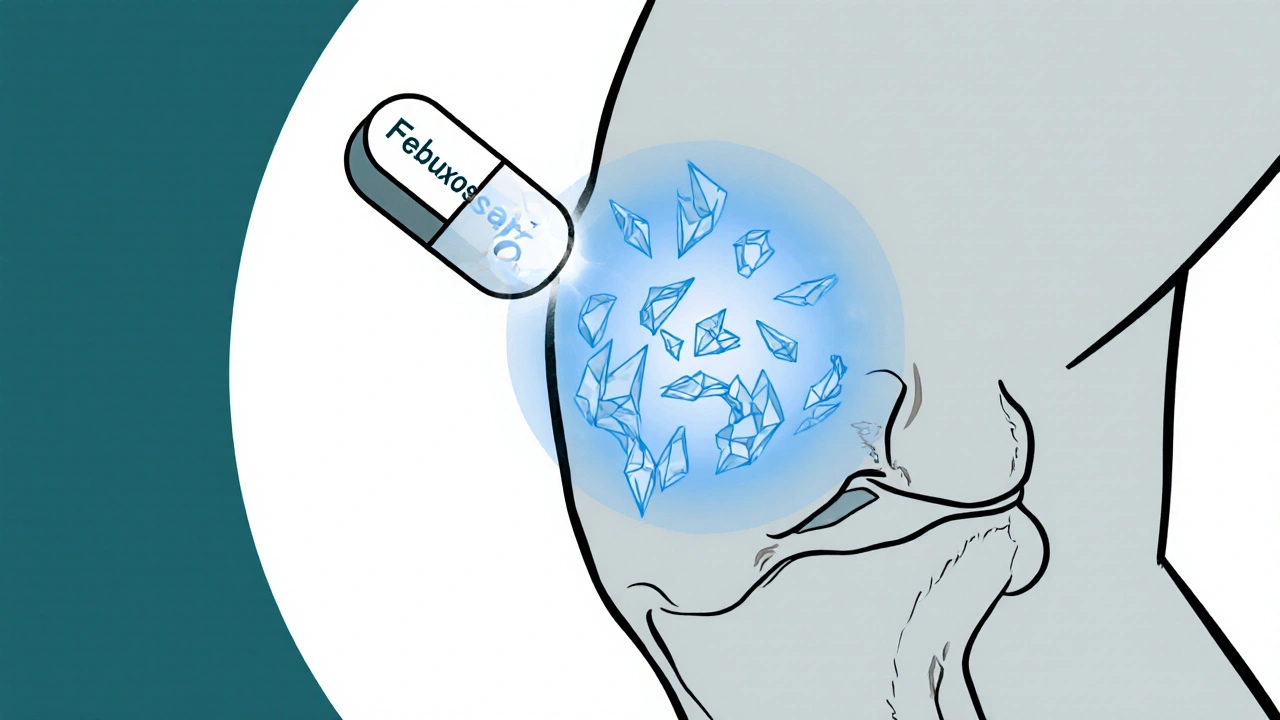
When your big toe suddenly swells up, turns red, and feels like it’s on fire, you’re likely dealing with gout, a form of inflammatory arthritis caused by high levels of uric acid in the blood that form sharp crystals in joints. Also known as podagra, it’s not just a "rich man’s disease"—it affects millions, especially men over 40 and people with kidney issues or obesity. The pain hits fast, but the real problem is what happens if you ignore it. Repeated flares can destroy cartilage, damage bones, and lead to permanent joint deformities.
Effective gout treatment, a combination of immediate flare control and long-term uric acid management isn’t just about popping painkillers. It’s about lowering uric acid below 6 mg/dL—the level where crystals start to dissolve. That means changing what you eat, avoiding alcohol (especially beer), and often taking daily meds like allopurinol, a xanthine oxidase inhibitor that blocks uric acid production or colchicine, an anti-inflammatory used to stop flares before they spiral. These aren’t optional extras—they’re the backbone of preventing future attacks.
What you eat matters more than you think. Foods high in purines—like organ meats, shellfish, and sugary drinks—directly raise uric acid. But even moderate protein intake from chicken or beans won’t trigger flares in most people. The real villain? Fructose. Soda, energy drinks, and even fruit juices spike uric acid faster than alcohol. And while some swear by cherry juice or baking soda, the science is thin. What works? Cutting sugar, drinking water, and losing weight if you’re carrying extra pounds. One study showed losing just 10% of body weight cut gout flares by half.
Most people don’t realize gout treatment isn’t a quick fix. You can’t just take a pill when it hurts and call it done. The goal is to keep uric acid low every day, even when your toe feels fine. That’s why doctors push for long-term meds. Skipping them because you feel okay is like turning off your car alarm after one burglar leaves—you’re just waiting for the next one.
What you’ll find below are real, practical guides from people who’ve been there. From how to eat without feeling deprived, to which meds have the fewest side effects, to how to talk to your doctor when they dismiss your pain. No fluff. No hype. Just what works.