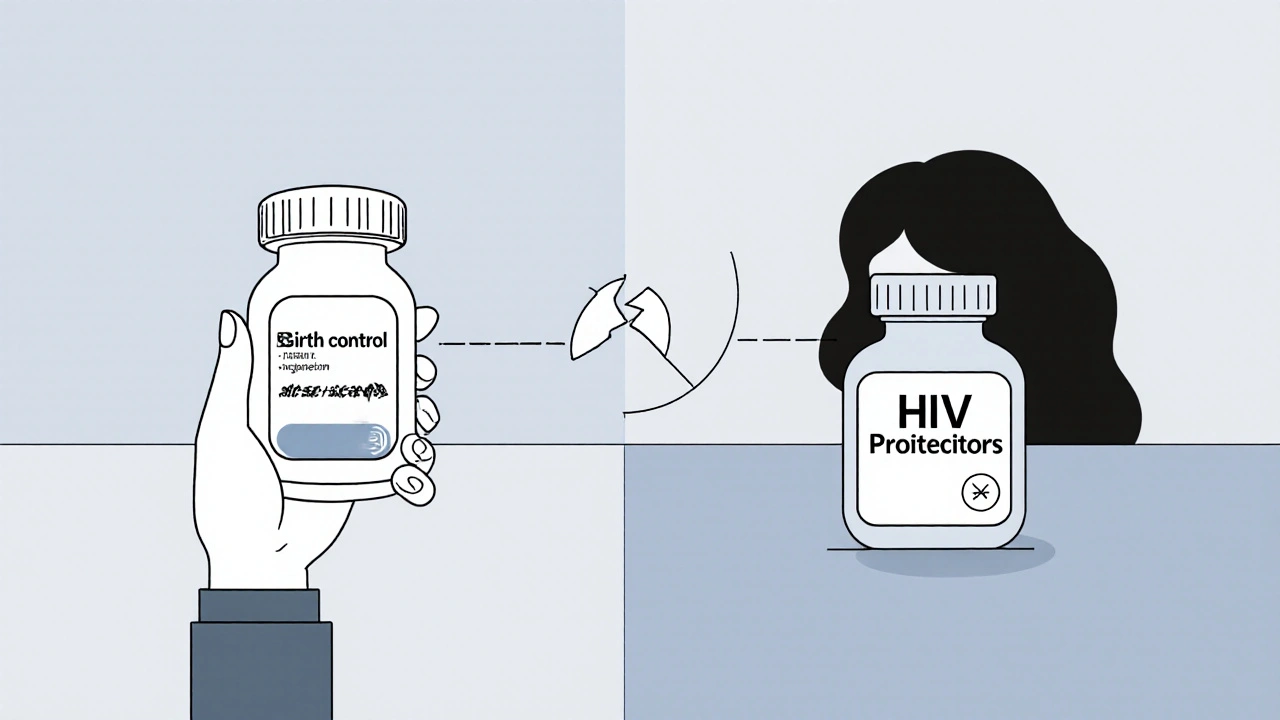
Birth Control Interaction: What You Need to Know About Medicines That Clash
When you take birth control, a hormonal method used to prevent pregnancy. Also known as oral contraceptives, it works by controlling your hormones to stop ovulation. But it doesn’t work in a vacuum. Many common drugs can interfere with how your body processes these hormones, making birth control less effective—or even dangerous. This isn’t just a theoretical risk. Real people have gotten pregnant because they took an antibiotic, an antiseizure drug, or even St. John’s wort without knowing it could undo their birth control.
One of the biggest culprits is the CYP3A4 enzyme, a liver system that breaks down many drugs, including hormones in birth control. If something speeds up this enzyme—like rifampin, certain epilepsy meds, or even some herbal supplements—your body clears the hormones too fast. The result? Not enough active drug left to prevent pregnancy. On the flip side, some drugs slow down CYP3A4, like ritonavir used in HIV treatment, which can cause hormone levels to spike. That’s not always bad, but it can lead to nausea, headaches, or blood clots in rare cases.
It’s not just about pills. Antibiotics like amoxicillin? Most don’t interfere—but rifampin does, and it’s used for tuberculosis and other infections. Antifungals, antidepressants, and even some over-the-counter sleep aids can play a role too. The problem? Doctors don’t always ask about your birth control when prescribing something new. And you might not think to mention it unless you’re told to.
You don’t need to memorize every possible interaction. But you do need to know this: if you’re on a long-term medication—especially for seizures, HIV, hepatitis C, or depression—ask if it affects your birth control. If you’re starting a new drug, check with your pharmacist. And if you’re ever unsure, use a backup method like condoms for at least seven days. It’s a simple step that prevents real consequences.
Some people think birth control is foolproof. It’s not. Its effectiveness drops fast when other drugs get in the way. The good news? You’re not alone in this. Thousands of others have faced the same confusion. Below, you’ll find real, practical guides from people who’ve dealt with these interactions firsthand—from how exemestane affects hormone balance to how CYP3A4 boosting can change how your body handles everything from pain meds to antidepressants. These aren’t theory pages. They’re lived experiences, backed by science, written to help you stay safe without the jargon.