Antihistamines: What They Are, How They Work, and What You Need to Know
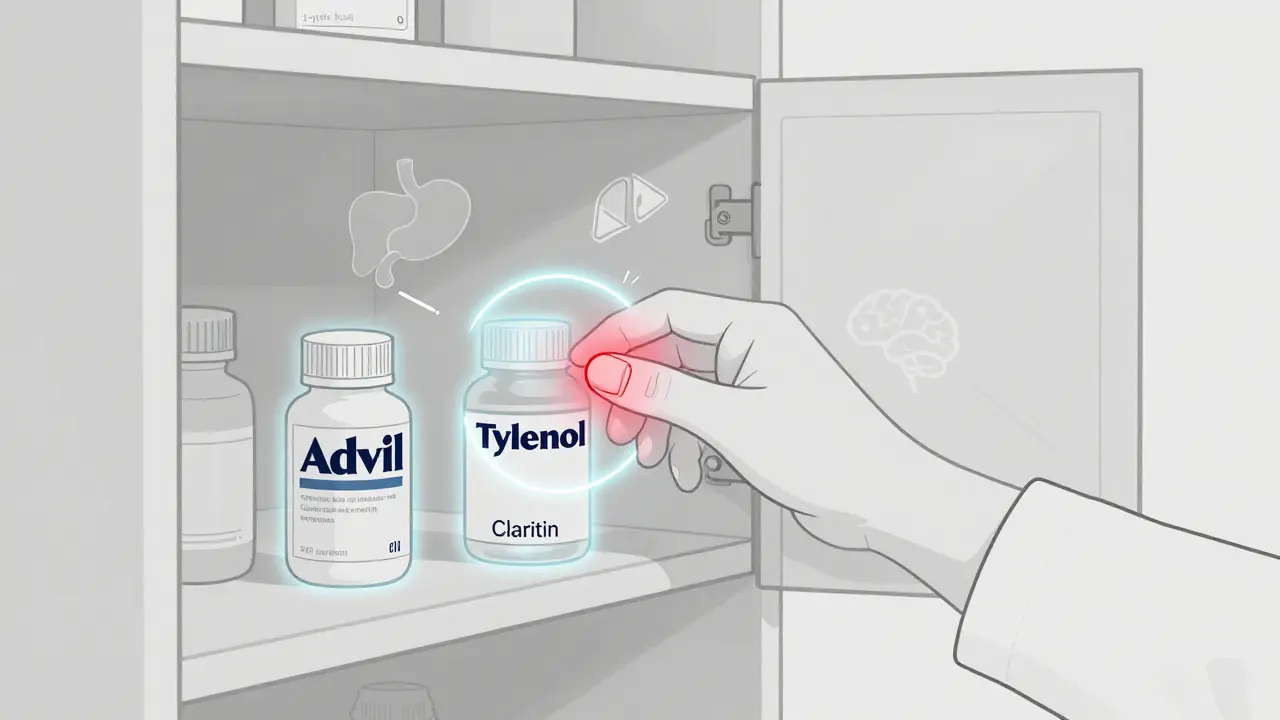
When your body overreacts to pollen, pet dander, or even certain foods, it releases histamine, a chemical that triggers inflammation, itching, and mucus production. That’s where antihistamines, medications designed to block histamine’s effects and calm allergic reactions. Also known as H1 blockers, they’re the go-to for runny noses, itchy eyes, and hives—no prescription needed. But not all antihistamines are the same. Some make you sleepy. Others don’t. Some work fast. Others build up over days. And mixing them with other meds? That’s where things can go wrong.
Antihistamines don’t cure allergies—they just mute the noise. Think of them like turning down the volume on your body’s alarm system. First-gen types like diphenhydramine (Benadryl) cross into your brain and cause drowsiness. That’s why you’ll see them in sleep aids. Second-gen ones like loratadine (Claritin) and cetirizine (Zyrtec) are designed to stay out of your brain, so you stay alert. But even these can interact with other drugs. For example, if you’re on something that slows your liver’s ability to process meds—like certain HIV treatments or antifungals—you might build up too much antihistamine in your system. That can lead to dry mouth, blurred vision, or worse. And while antihistamines are common for allergies, they’re also used off-label for motion sickness, nausea, and even anxiety. But that doesn’t mean they’re safe for everyone. Seniors, people with glaucoma, or those with prostate issues need to be careful. These drugs can make urinary retention or eye pressure worse.
You’ll find posts here that dig into how antihistamines fit into bigger health pictures. Like how drug interactions, especially with CYP3A4-metabolized medications. can turn a harmless pill into a risk. Or how allergic reactions, from mild rashes to life-threatening anaphylaxis. require more than just a pill to manage. There’s also real talk about when antihistamines help—and when they’re just wasting your time. Maybe you’ve tried them and felt nothing. That’s not you. It’s the mismatch between your symptoms and the drug. Not every itch is histamine-driven. Some come from nerve irritation, dry skin, or even stress. And if you’re using them daily for months, you might be masking something deeper.
What you’ll find below isn’t a list of brands. It’s a collection of real-world stories and science-backed advice about how antihistamines actually behave in your body—when they work, when they don’t, and what to do when they start causing more problems than they solve. Whether you’re managing seasonal allergies, dealing with a reaction to medication, or just trying to figure out why you’re always tired after taking that little white pill, there’s something here that’ll help you make smarter choices.