
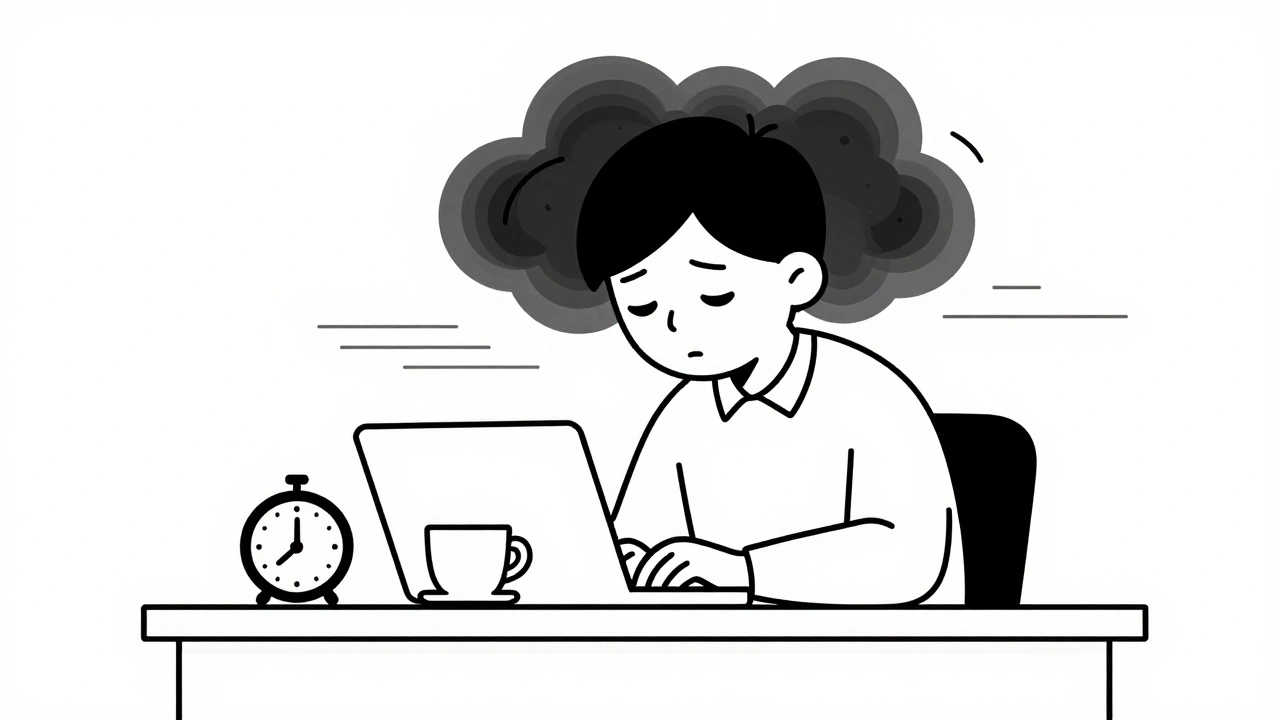
When you’re exhausted all day-even after a full night’s sleep-it’s not just laziness. For about 1 in 2,000 people, this constant, overwhelming urge to fall asleep is a real neurological condition called narcolepsy. It’s not about being tired. It’s about the brain losing its ability to control when you’re awake or asleep. The result? Sudden sleep attacks during meetings, while driving, or even mid-conversation. And it doesn’t go away with caffeine or naps. For most people, the only way to manage it is through targeted medication-especially stimulants designed to keep the brain alert.
What Narcolepsy Really Feels Like
Narcolepsy isn’t just feeling sleepy. It’s a daily battle against your own body. People with this condition experience excessive daytime sleepiness (EDS)-an irresistible pull to sleep that hits multiple times a day, usually lasting 15 to 30 minutes. Afterward, they feel briefly refreshed… only for the urge to return. This isn’t occasional drowsiness. It’s relentless. About 100% of people with narcolepsy have this symptom, and it’s often the first sign they notice.
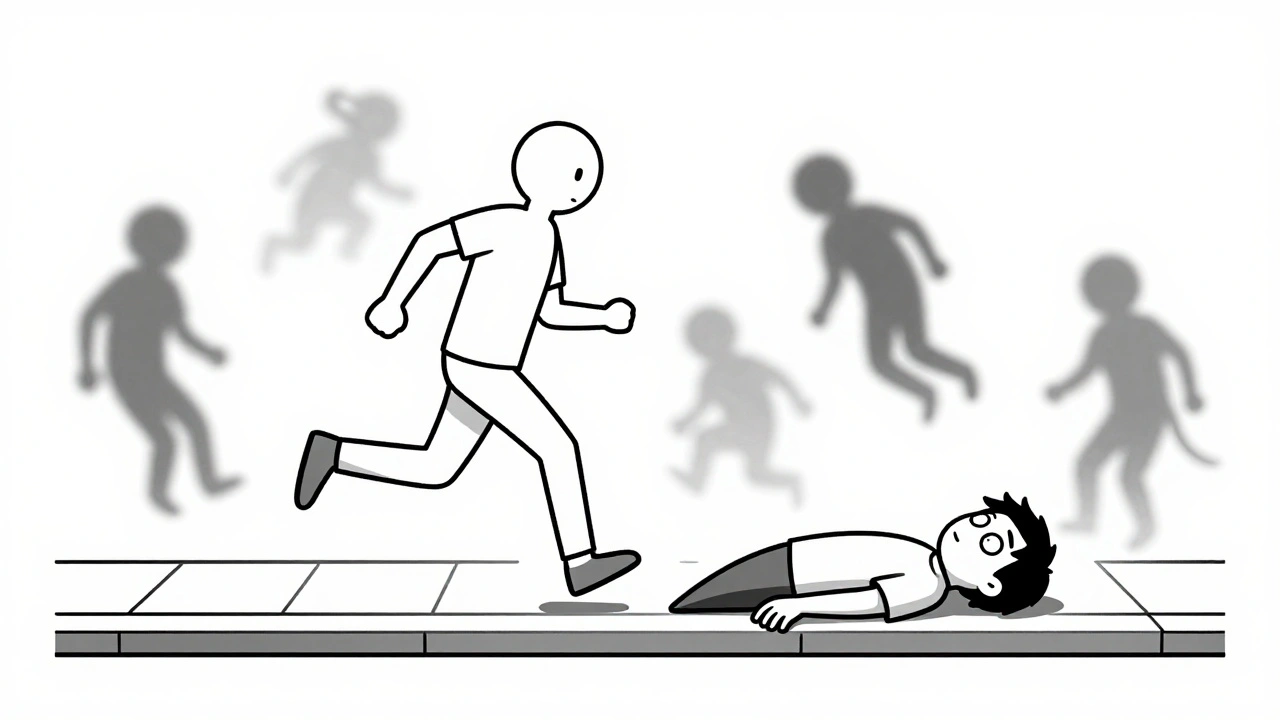
Many also experience cataplexy-a sudden loss of muscle control triggered by strong emotions like laughter, surprise, or anger. Think of it like your body’s power button being flipped off. You stay awake, fully aware, but your knees buckle, your head drops, or your jaw goes slack. This only happens in Type 1 narcolepsy, which accounts for about 70% of cases.
Nighttime sleep isn’t any better. Even if you spend eight hours in bed, your sleep is broken into fragments. You might wake up four or five times without realizing it. Sleep paralysis-being awake but unable to move-happens to 60% of patients, often right when falling asleep or waking up. And hallucinations? They’re not dreams. They’re vivid, scary sensory experiences-voices, figures, pressure on the chest-that occur as you’re drifting off or coming back to life.
Diagnosing Narcolepsy: It’s Not Just a Sleep Study
Doctors don’t diagnose narcolepsy based on how tired you feel. They need hard evidence. The gold standard is a two-step process: first, an overnight sleep study (polysomnography) to rule out other sleep disorders like sleep apnea. Then, the next day, you take five 20-minute naps at two-hour intervals during the Multiple Sleep Latency Test (MSLT). If you fall asleep in under eight minutes on average-and enter REM sleep twice or more during those naps-you meet the diagnostic criteria.
There’s also a blood test and spinal fluid analysis. If your cerebrospinal fluid has hypocretin-1 levels below 110 pg/mL, that’s a definitive marker for Type 1 narcolepsy. Hypocretin is a brain chemical that keeps you awake. In Type 1 narcolepsy, the immune system mistakenly attacks the cells that produce it. That’s why it’s considered an autoimmune disorder. But not everyone gets this test. Many doctors start with the MSLT because it’s more widely available.
Stimulants: The First-Line Treatment for Daytime Sleepiness
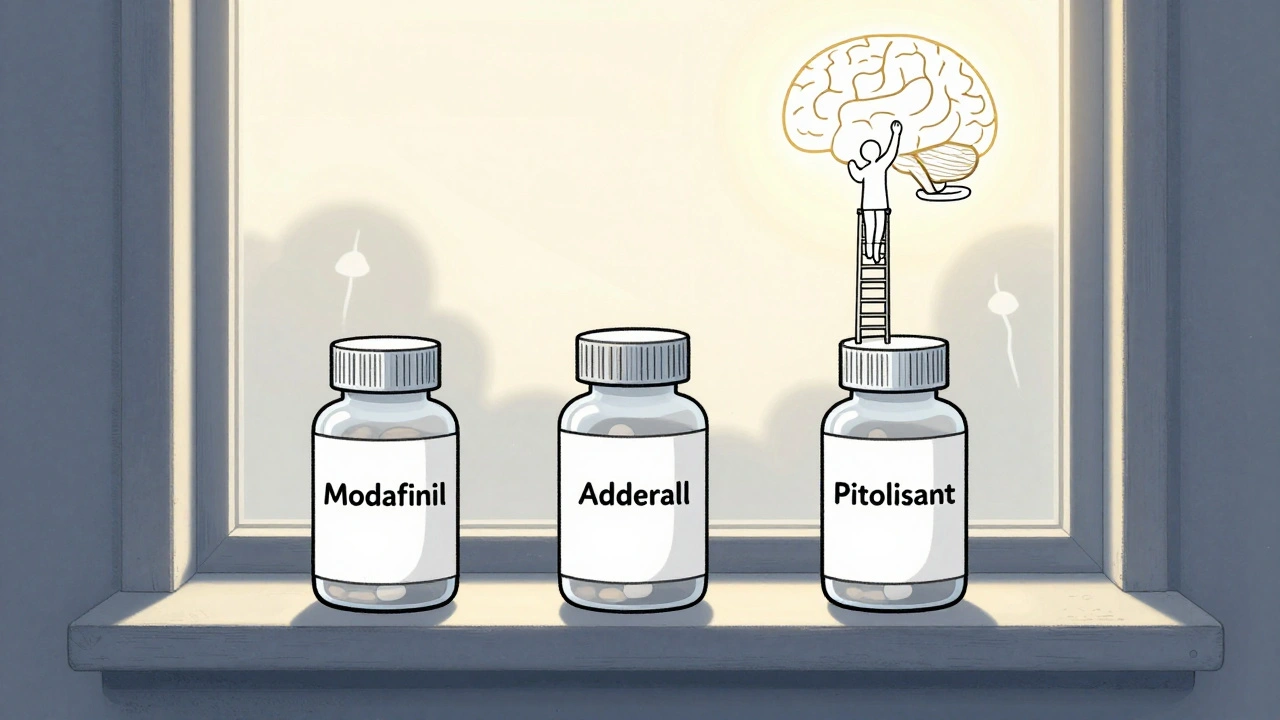
There’s no cure for narcolepsy. But stimulants can turn a life of constant fatigue into one where you can work, drive, and parent without collapsing. The most commonly prescribed stimulants fall into three categories: modafinil and armodafinil, traditional stimulants like Adderall and Ritalin, and newer agents like pitolisant and solriamfetol.
Modafinil (Provigil) and its longer-lasting version, armodafinil (Nuvigil), are the go-to first choices. They work by boosting dopamine in the brain, which helps maintain wakefulness. A 2020 study showed 70% of people on modafinil improved their Epworth Sleepiness Scale score by five points or more-enough to go from barely functional to able to hold down a job. Modafinil is usually started at 200 mg in the morning. If it’s not working after two weeks, the dose can be increased to 400 mg. Armodafinil lasts longer, so one daily dose is often enough.
What’s great about modafinil? It doesn’t cause the jittery highs and crashes of traditional stimulants. Many users describe it as “clean energy.” But it’s not magic. About 40% of people notice its effects fading after 12 to 18 months. Headaches and nausea are common side effects, but serious ones are rare.
Traditional Stimulants: More Power, More Risk
If modafinil doesn’t cut it, doctors may turn to methylphenidate (Ritalin) or mixed amphetamine salts (Adderall). These are stronger. They work faster. And they’re more likely to help people with severe EDS-those with Epworth scores above 16. About 80% of patients respond to them.
But here’s the catch: they’re addictive. The DEA classifies them as Schedule II drugs because of their abuse potential. Side effects are common: dry mouth, loss of appetite, anxiety, insomnia, and increased heart rate. A 2021 study found 45% of people stopped using them within a year because of side effects. They can also raise blood pressure by 2-3 mmHg and increase heart rate by 5-8 beats per minute. For people with heart conditions, that’s a red flag. That’s why doctors now require baseline ECGs before prescribing them.
Still, for some, they’re the only thing that works. Sarah Johnson, a 34-year-old teacher, went from an Epworth score of 18 (severe) to 6 on armodafinil. She went from being fired from two jobs to teaching full-time. That’s the kind of transformation these drugs can make.
Newer Options: What’s on the Horizon
Two newer drugs are changing the game. Pitolisant (Wakix) works differently-it boosts histamine in the brain, which promotes wakefulness. It’s as effective as modafinil but with fewer cardiovascular risks. The downside? It costs about $850 a month, compared to $400 for generic modafinil. Solriamfetol (Sunosi) blocks dopamine and norepinephrine reuptake. It’s powerful-up to a 9.8-point drop in sleepiness at the highest dose-and has low abuse potential. But it can raise blood pressure, so it’s not for everyone.
There’s also sodium oxybate (Xyrem), which isn’t a stimulant but is the most effective treatment for cataplexy. It reduces episodes by 85%. But it’s tightly controlled-you have to take it at night, in two doses, and it requires a special pharmacy program. Plus, it’s high in sodium, which can be dangerous for people with heart or kidney problems.
What Works Best? A Personalized Approach
There’s no one-size-fits-all. For mild to moderate daytime sleepiness, modafinil or armodafinil is usually the best starting point. Safe, well-tolerated, and effective enough for most people. For severe cases, especially when modafinil fails, traditional stimulants may be necessary-despite the risks. If cataplexy is the main issue, sodium oxybate is the top choice. For people who can’t tolerate stimulants or want to avoid them, pitolisant is a solid alternative.
Doctors now recommend starting low and going slow. Begin with modafinil 200 mg. Wait two weeks. If your Epworth score hasn’t dropped by at least three points, increase the dose. If that still doesn’t help, switch or add another medication. Regular follow-ups are key. You need monthly sleepiness assessments, quarterly blood pressure checks, and yearly heart evaluations.
The Real-World Struggle: Access, Cost, and Stigma
Getting treatment isn’t easy. Insurance companies often require prior authorization-average wait time? Nearly two weeks. Some patients go months without medication while waiting. Generic modafinil is affordable, but newer drugs like pitolisant and solriamfetol are out of reach for many without good insurance.
And then there’s the stigma. People think you’re lazy. Or drunk. Or just not trying hard enough. Many patients hide their diagnosis. They don’t tell employers. They don’t ask for accommodations. But under the Americans with Disabilities Act, workplaces are required to make reasonable adjustments-flexible hours, scheduled naps, remote work options. Only 68% of Fortune 500 companies have formal policies for narcolepsy, though.
What’s Next? The Future of Narcolepsy Treatment
Current treatments manage symptoms. They don’t fix the root cause-the loss of hypocretin-producing neurons. But that’s changing. Researchers are testing drugs that mimic hypocretin, like TAK-994. Early results were promising, but development was paused due to liver concerns. Other trials are looking at immunotherapy to stop the autoimmune attack before it destroys brain cells. Some are even exploring cell replacement therapies-growing new hypocretin neurons in the lab.
For now, though, stimulants remain the backbone of treatment. They’re not perfect. But they give people their lives back. The goal isn’t to cure narcolepsy-it’s to help people live with it without being ruled by sleepiness.
Key Takeaways
- Narcolepsy is a neurological disorder causing uncontrollable daytime sleepiness, often with cataplexy, sleep paralysis, and hallucinations.
- Diagnosis requires an overnight sleep study and a Multiple Sleep Latency Test (MSLT), sometimes with spinal fluid testing for hypocretin levels.
- Modafinil and armodafinil are first-line treatments for daytime sleepiness-effective, safe, and well-tolerated.
- Traditional stimulants like Adderall and Ritalin are stronger but carry higher risks of addiction and cardiovascular side effects.
- Newer drugs like pitolisant and solriamfetol offer alternatives with fewer abuse risks but higher costs.
- Treatment is personalized-based on symptom severity, presence of cataplexy, and individual response.
- Access barriers include insurance delays, high drug costs, and social stigma.
- Future treatments aim to restore hypocretin function, not just mask symptoms.
Can narcolepsy be cured?
No, narcolepsy cannot be cured today. It’s caused by the loss of brain cells that produce hypocretin, a chemical that regulates wakefulness. Current treatments manage symptoms like daytime sleepiness and cataplexy, but they don’t restore the missing cells. Research is ongoing into disease-modifying therapies, including immunotherapy and hypocretin replacement, but these are still experimental.
Do stimulants make narcolepsy worse over time?
Stimulants don’t make narcolepsy progress faster, but they can lose effectiveness for some people after 12-18 months. This isn’t because the disease worsens-it’s often due to tolerance or changes in lifestyle, stress, or sleep habits. Increasing the dose or switching medications usually helps. Regular monitoring by a sleep specialist is key to adjusting treatment as needed.
Can I drive with narcolepsy?
Yes, many people with narcolepsy drive safely-especially if their symptoms are well-controlled with medication. However, uncontrolled daytime sleepiness increases crash risk. Doctors often require proof of stable treatment before clearing someone to drive. Some states require disclosure of narcolepsy on driver’s license applications. Never drive if you feel sleepy, even if you’re on medication.
Are there non-medication ways to manage narcolepsy?
Yes, but they’re not enough on their own. Scheduled short naps (15-20 minutes) during the day can reduce sleep attacks. Maintaining a consistent sleep schedule, avoiding alcohol and heavy meals, and exercising regularly help too. But without medication, most people with moderate to severe narcolepsy will still struggle to stay awake during the day. Medication and behavioral strategies work best together.
Is narcolepsy hereditary?
There’s a genetic link, but it’s not simple. About 90% of people with Type 1 narcolepsy carry the HLA-DQB1*06:02 gene variant. But only 1-2% of people with this gene develop narcolepsy. Environmental triggers-like infections (especially strep or flu), stress, or head trauma-likely activate the autoimmune process in genetically prone individuals. So, having a family member with narcolepsy raises your risk slightly, but it’s not guaranteed.
How long do I need to take stimulants?
Most people with narcolepsy need to take stimulants long-term, often for life. Since the underlying brain damage doesn’t heal, symptoms return if medication stops. Some people try to taper off after years of stability, but relapse is common. Regular check-ins with your doctor help determine if your treatment plan still fits your needs. Never stop suddenly-this can cause rebound sleepiness or withdrawal symptoms.
sandeep sanigarapu
Narcolepsy is not laziness. It is a neurological disorder with clear biomarkers. The loss of hypocretin-producing neurons is irreversible. Treatment must be medical, not motivational. This is not a mindset issue.
nikki yamashita
Finally, someone says it like it is. I’ve been on modafinil for 5 years and it’s the only thing that lets me be a mom without falling asleep during bedtime stories. No shame in needing help.
Reshma Sinha
As someone from India where access to these meds is nearly impossible, I’m so glad this post exists. Insurance hurdles and stigma are global problems. We need more awareness, not just in the US.
Adam Everitt
modafinil… it’s not magic, it’s neurochemistry. the brain doesn’t ‘get used to it’-it adapts to the lack of hypocretin. the meds just bridge the gap. people think it’s a crutch, but it’s a prosthesis.
wendy b
Umm, actually, solriamfetol is not ‘low abuse potential’-it’s a dopamine reuptake inhibitor, classically associated with stimulant dependence. The FDA label says ‘potential for abuse’ in bold. This post is misleading.
Rob Purvis
Wendy, you’re right about the abuse potential-but you’re missing the nuance. Solriamfetol has lower dopamine release than amphetamines, so while it’s not risk-free, it’s nowhere near Adderall. Also, the clinical trials showed 98% compliance over 12 months-hardly a drug people binge on.
And Levi, calling people lazy isn’t helping. Narcolepsy patients are some of the most disciplined people I know-they schedule naps like appointments, track sleep logs, and still show up.
Levi Cooper
Why are we giving these people drugs instead of telling them to just get more sleep? I work 60 hours a week and I’m not falling asleep at my desk. Maybe if you stopped scrolling on your phone at 2am you wouldn’t need a prescription.
Laura Weemering
…and yet, the real tragedy isn’t the lack of hypocretin-it’s the lack of *recognition*. We live in a world that equates wakefulness with moral virtue. I’ve been called ‘unmotivated,’ ‘dramatic,’ ‘attention-seeking’-all because my brain doesn’t regulate sleep like yours does. You don’t get to judge someone’s exhaustion when you’ve never felt your own body shut down mid-sentence.
Donna Anderson
just wanted to say-i was diagnosed 3 years ago and now i drive, work full time, and even run 5ks. modafinil saved my life. dont let anyone tell you it’s not worth it. you’re not broken-you’re just wired differently.