
Sodium Intake Calculator for Steroid Side Effects
Your Sodium Intake Tracker
Results & Recommendations
Your Daily Sodium Target
1,500 mg
1,500 mg recommended by medical guidelines
Why This Matters
Reducing sodium helps decrease fluid retention and facial swelling from corticosteroids. Studies show improvements in moon face within 10-14 days of sodium control.
Total Sodium Consumed:
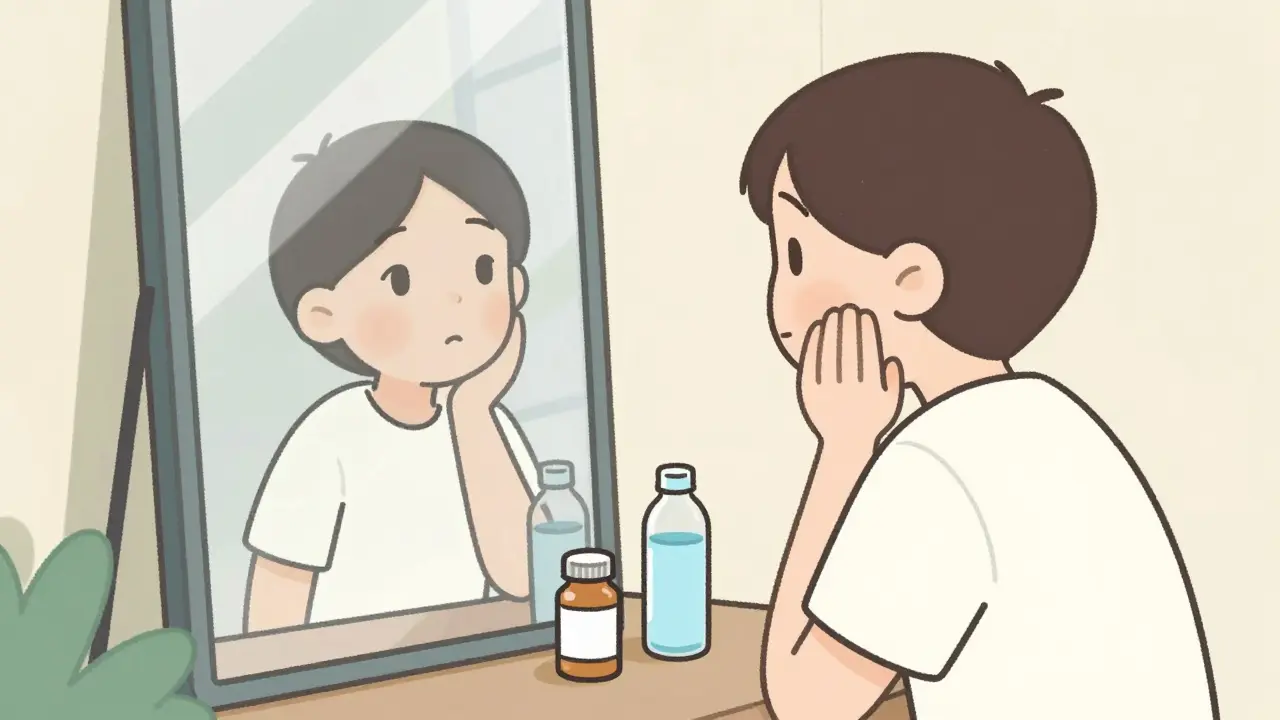
When you're taking corticosteroids like prednisone for a chronic condition-whether it's lupus, Crohn’s disease, or severe asthma-you’re not just fighting inflammation. You’re also fighting changes to your own body. One of the most visible and unsettling side effects is moon face: a round, puffy, swollen look that makes your face appear fuller, almost inflated. It’s not just about looks. It’s about feeling like you don’t recognize yourself in the mirror. And it’s more common than you think.
Why Does Moon Face Happen?
Moon face isn’t caused by eating too much or gaining fat the normal way. It’s a hormonal side effect. Corticosteroids like prednisone mimic cortisol, your body’s natural stress hormone. When you take them for weeks or months, your body starts redistributing fat-especially around your cheeks, jawline, and neck. At the same time, these drugs cause your kidneys to hold onto sodium and water. That fluid buildup adds to the puffiness. It usually shows up after three months of regular use, especially if you’re on more than 7.5 mg of prednisone daily. Studies show that 25-30% of people on long-term steroids develop this appearance. Women and younger adults are more likely to notice it, possibly because of how their bodies naturally store fat. This isn’t just cosmetic. A 2024 study found that moon face directly affects how people feel about their bodies. Many patients report avoiding social events, skipping photos, or feeling embarrassed. In some cases, this emotional toll leads people to stop taking their medication-even when it’s life-saving. That’s dangerous. Stopping steroids suddenly can cause adrenal crisis, a medical emergency.Can You Prevent It?
Unfortunately, there’s no surefire way to prevent moon face if you’re on long-term steroids. But you can control how much it affects you. The key is managing the two main drivers: fat redistribution and fluid retention. Your doctor’s goal is always to use the lowest dose possible for the shortest time. If your condition allows, they may switch you to a different steroid or try a newer type called a SEGRM (selective glucocorticoid receptor modulator). These are still in trials, but early results show up to 63% less facial swelling compared to traditional steroids. In the meantime, your daily choices matter a lot.Diet: Cut the Salt, Drink More Water
The biggest thing you can do at home is manage sodium. Salt makes your body hold onto water-and that’s exactly what makes your face swell. The NHS and Cleveland Clinic both recommend limiting sodium to under 1,500 mg per day. That’s less than one teaspoon of salt. Read labels. Processed foods, canned soups, bread, and even some medications contain hidden sodium. Avoid deli meats, frozen meals, and restaurant food when you can. Cook at home with fresh ingredients and season with herbs, lemon, or vinegar instead of salt. Counterintuitive? Yes. But drinking more water helps. When you’re dehydrated, your body clings to every drop of fluid. Drinking at least 2-3 liters of water daily signals your kidneys to flush out excess sodium. Many patients report noticeable improvement in facial puffiness within 10-14 days of cutting salt and increasing water intake. Adding potassium-rich foods like bananas, spinach, sweet potatoes, and avocados can also help balance sodium levels. Potassium tells your body to release water, reducing swelling.Exercise: Move Smart, Not Hard
You might feel tired or weak on steroids-and that’s normal. Corticosteroids break down muscle over time. But avoiding movement makes it worse. Gentle strength training-like light resistance bands or bodyweight exercises-helps maintain muscle mass and improves how your body uses fat. Avoid intense cardio or high-impact workouts early on. These can increase fluid retention and make swelling worse. Walking 30 minutes a day is one of the most effective, safe, and accessible options. It improves circulation, reduces fluid buildup, and boosts your mood.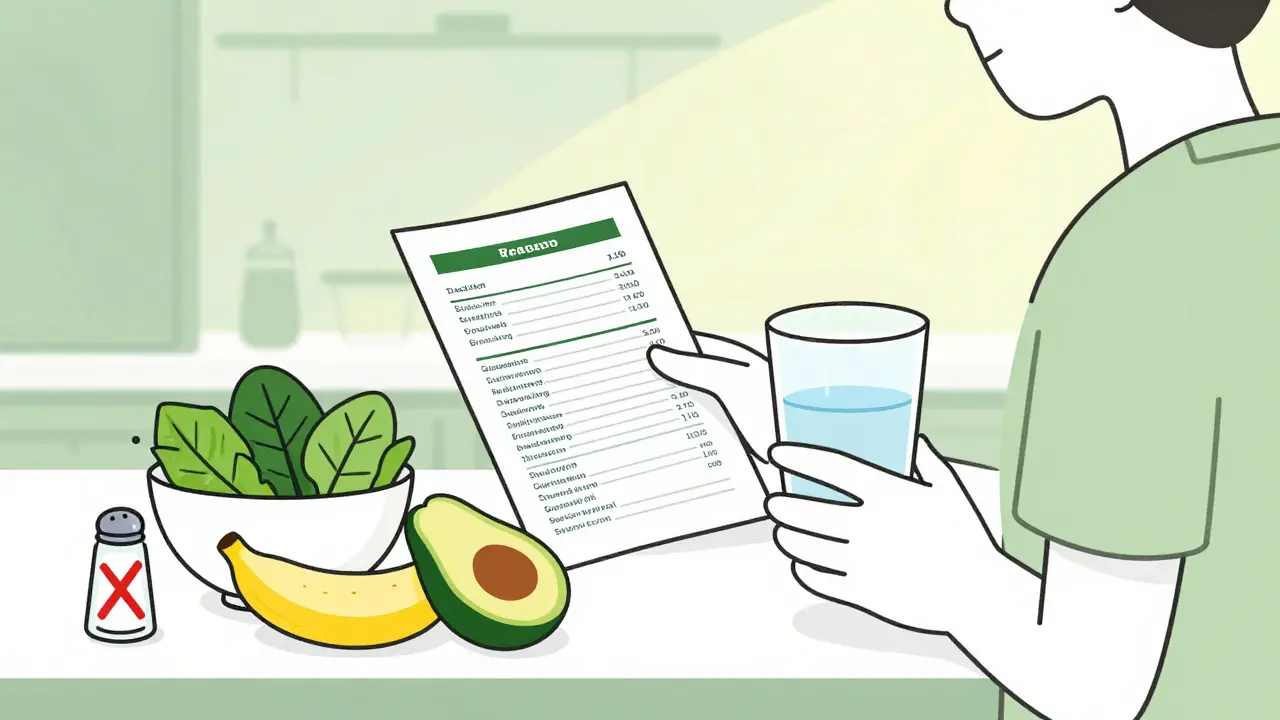
Time Is Your Ally
The good news? Moon face usually fades. Once your steroid dose is lowered or stopped, your body begins to rebalance. Most people see noticeable improvement within 6 months. Full recovery often takes 6-12 months, depending on how long you were on steroids and your metabolism. There’s no magic fix. No face creams, no quick detoxes, no supplements that magically shrink your face. It’s about patience and consistency.Watch for Bigger Health Risks
Moon face is often a sign of deeper changes. High cortisol levels from steroids don’t just change your face-they affect your whole metabolism. Up to 30% of long-term steroid users develop steroid-induced diabetes. That’s why regular blood sugar checks are critical. Get your fasting glucose tested every 3-6 months if you’re on steroids long-term. Other signs to watch for: rapid weight gain around your abdomen, thinning skin that bruises easily, acne, muscle weakness, or slow-healing cuts. These could point to Cushing’s syndrome. If you notice any of these, talk to your doctor immediately.Emotional Support Matters
This isn’t just a physical issue. It’s emotional. A 2023 report from the Cushing’s Support & Research Foundation found that nearly half of patients sought counseling because of how steroids changed their appearance. You’re not alone. Many people feel isolated, ashamed, or even depressed. Talk to someone. Whether it’s a therapist, a support group, or even a trusted friend, sharing how you feel helps. Online communities like r/steroids on Reddit are full of people who get it. They’ve been there. They know the frustration of looking in the mirror and not recognizing yourself.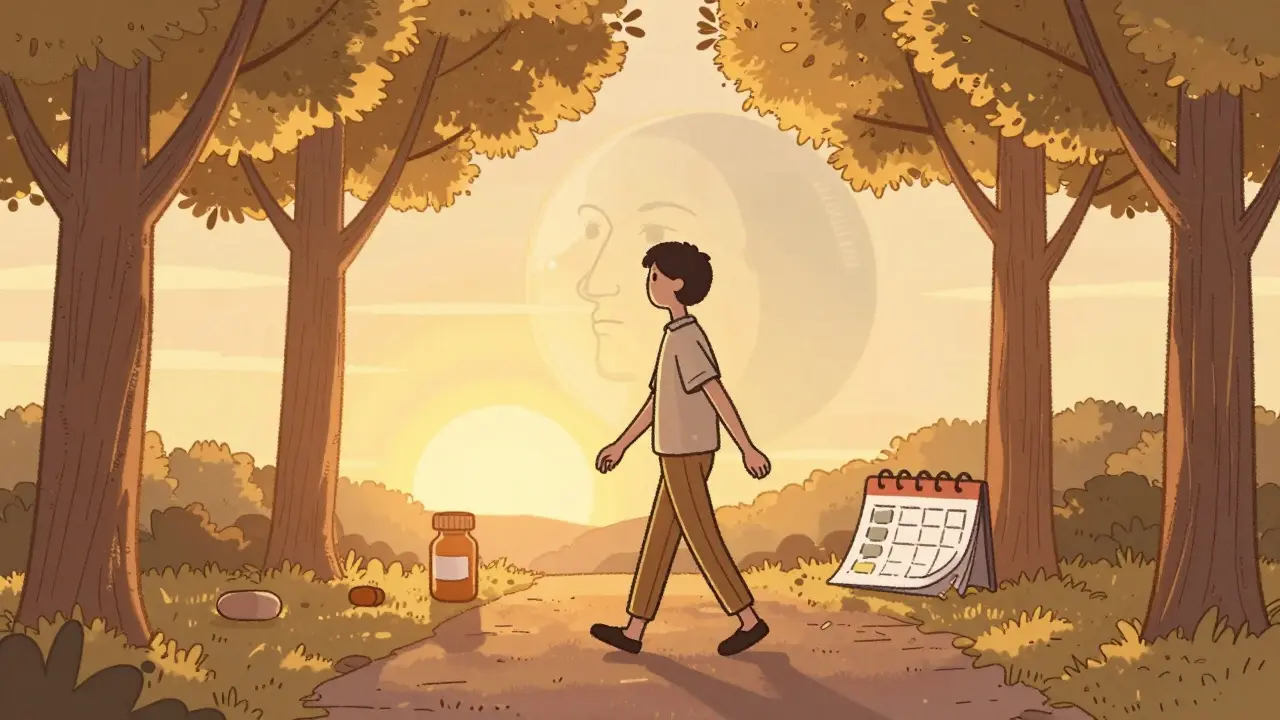
What About Surgery or Topical Treatments?
Some experimental treatments are being studied. A 2024 pilot trial tested a topical cream designed to break down facial fat. It reduced swelling by 18% in a small group of patients. But it’s not available yet. Liposuction or facial contouring surgery is sometimes considered-but it’s risky and often temporary, since the root cause (steroids) is still active. The safest, most effective approach remains: medical supervision, diet, hydration, movement, and time.When to Call Your Doctor
Don’t try to adjust your steroid dose on your own. Stopping too fast can cause adrenal insufficiency-low blood pressure, vomiting, confusion, even collapse. Always taper under medical guidance. Call your doctor if you experience:- Sudden, severe headaches
- Blurred vision or eye pain
- Slow-healing wounds
- Unexplained mood swings or depression
- Significant weight gain beyond your face

anthony epps
I didn't realize salt was such a big deal. I thought it was just about eating less. Cut out the processed stuff and drink more water? That actually makes sense. My face looked better in like two weeks.
Dan Padgett
Moon face ain't just a face thing-it's a mirror that shows you how medicine can reshape you, not just heal you. It's like your body becomes a landscape of side effects, and you're just a visitor in your own skin. I used to avoid windows. Now I stare at my reflection like it's a poem I'm learning to read.
Hadi Santoso
yo so i just found out my doc gave me prednisone for my eczema and now i look like i swallowed a basketball. i thought i was just gaining weight. turns out its the sodium thing. i started drinking like 3 liters of water a day and cutting out chips and canned soup. my cheeks are slowly going back to normal. also, bananas help? i thought they were just for muscle cramps lol
Arun ana
I’ve been on steroids for 8 months now. 🍌💧 Walking every day and drinking water changed everything. Still have puffiness but I feel more like me again. Thank you for this post.
Dave Alponvyr
So let me get this straight. You want me to drink a bathtub of water and eat a banana to fix a drug side effect? Cool. I’ll just skip the meds next time.
Kim Hines
I stopped taking photos for six months. I didn't even look at my own selfies. I just waited. It got better. Not fast. But better.
Aditya Kumar
Meh. I just eat what I want. If my face puffs up, so what?
Colleen Bigelow
This is all part of the pharmaceutical agenda. They want you to think you’re sick so you keep taking pills. Moon face? That’s just your body fighting back. I’ve been off all meds for 3 years. My face is normal. And my bank account too.
Randolph Rickman
You’re not broken. You’re not ugly. You’re not failing. You’re doing the hard thing-staying alive while your body changes. I’ve been there. I’ve cried in front of mirrors too. But here’s the truth: you’re still you. And you’re stronger than this puffiness. Keep going. One day you’ll look in the mirror and not even think about it anymore. You’ve got this.
sue spark
I started drinking water and it helped so much I didn't even realize until my jeans fit better and my cheeks looked less swollen. I still take my meds. I just eat clean now. It's not perfect but it's better
Tiffany Machelski
i think the water thing is kinda weird but i tried it and my face does look less puffy. also i spelled potassium wrong in my notes lol