
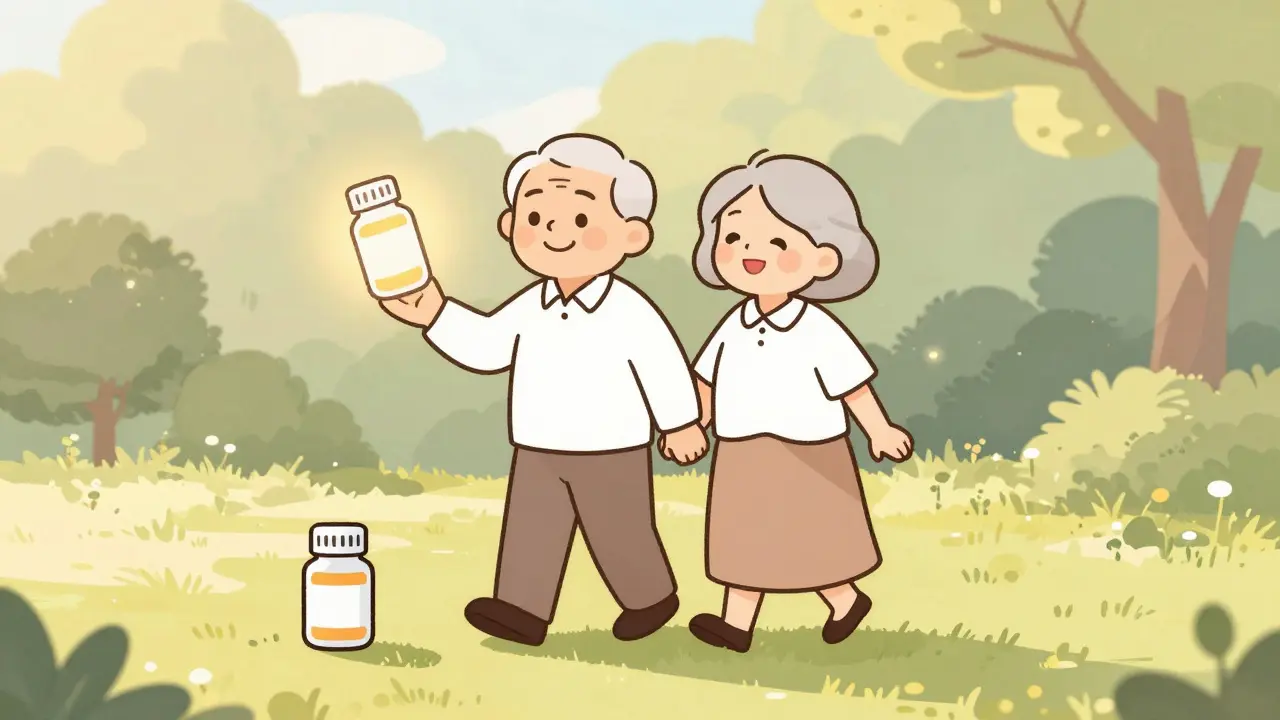
When you see a TV ad for a new pill that cures your aching knees, it’s hard not to think, That’s the one I need. But what if the exact same medicine, with the same active ingredients, costs 80% less-and your doctor says it’s just as good? That’s the hidden story behind every flashy drug commercial: advertising doesn’t just sell pills. It reshapes how you see what’s effective, what’s safe, and what’s worth paying for.
Why You Ask for the Brand Name, Not the Generic
In the U.S., drug companies spend over $6 billion a year on TV and online ads targeting patients directly. That’s more than ten times what they spent in 1996. These aren’t just informational spots. They’re emotional stories-sunlit parks, laughing grandparents, quiet mornings with coffee. The medicine? Just a quiet player in the background. The real product being sold is the idea that this brand is better. More modern. More trusted. And it works. Studies show that when patients see an ad for a branded drug like Lipitor or Humira, they walk into their doctor’s office and ask for it by name. Even if the doctor thinks a generic version would work just as well. One study found that doctors filled 69% of patient requests for drugs they believed were inappropriate. That’s not just about overprescribing. It’s about advertising overriding clinical judgment.The Spillover Effect: How Ads Boost Generics Too (But Not the Way You Think)
Here’s the twist: advertising for branded drugs doesn’t just push sales of those brands. It also increases prescriptions for generic versions in the same drug class. That’s called the spillover effect. Someone sees an ad for the brand-name statin, asks for it, and the doctor prescribes the generic version because it’s cheaper and covered by insurance. So yes, more people end up taking cholesterol meds. But not because they chose the generic-they chose the brand, and the generic was the fallback. This isn’t a win for generics. It’s a win for the entire drug class. The brand name gets all the marketing love. The generic gets the leftovers. And patients never learn that the two are identical in effectiveness. They just think the branded version is the real thing.Ads Don’t Teach. They Distort
The FDA requires drug ads to include risk information. But here’s the catch: people remember benefits way better than risks. Even after seeing an ad four times, most viewers still couldn’t recall the side effects accurately. Risk details are buried in tiny text or rushed-over voiceovers. Meanwhile, the benefits are shown in slow-motion, golden-hour footage of people hiking, dancing, or hugging their grandkids. A 2018 FDA study found that repeated exposure improved recall-but only slightly. And even after multiple viewings, retention of risk information stayed low. That means patients walk away thinking, “This drug will fix my life,” without fully understanding that it might cause dizziness, liver damage, or worse. Meanwhile, the generic version? No ad. No sunset. No happy family. Just a plain bottle on the pharmacy shelf.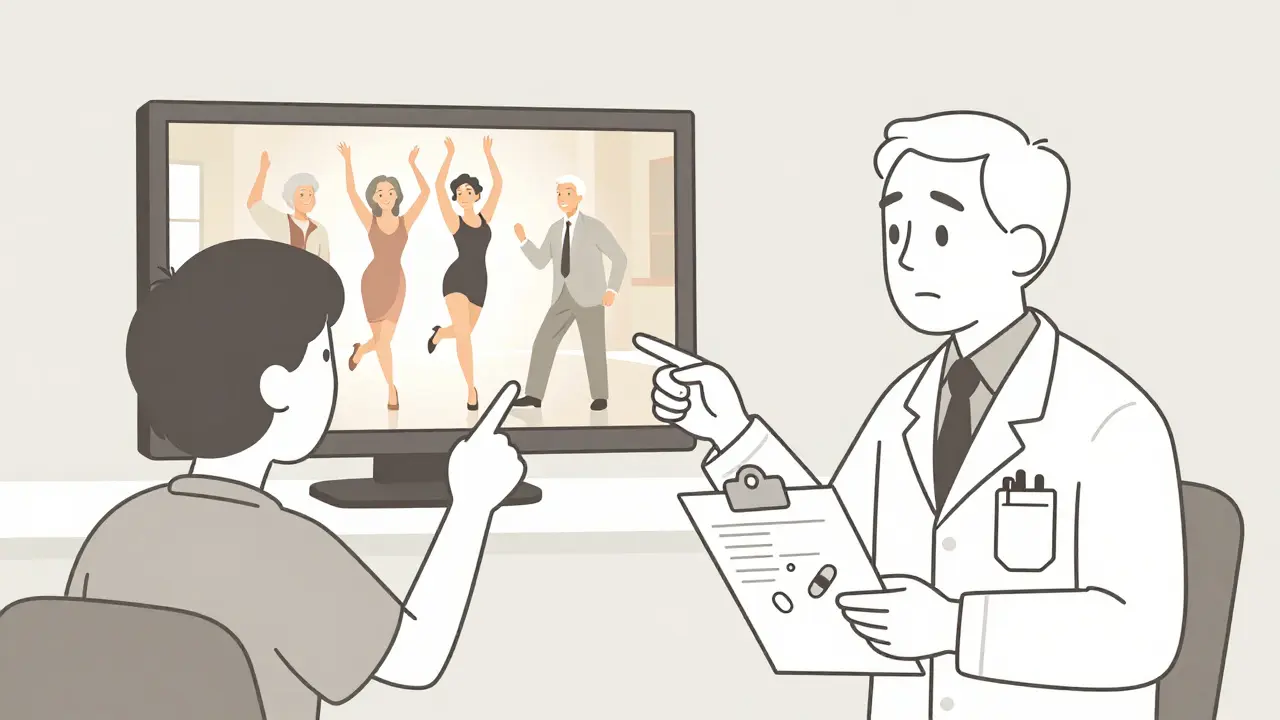
Generics Are Just as Good. But Ads Make You Doubt It.
Generic drugs are required by law to have the same active ingredients, strength, dosage, and effectiveness as their brand-name counterparts. The FDA approves them using the same standards. Yet, because they’re never advertised, they’re seen as inferior. It’s not about science. It’s about perception. Think about it: if you’ve never seen a commercial for a generic ibuprofen, but you’ve seen 50 ads for Advil, which one feels more reliable? Even if you know they’re the same, the emotional imprint matters. Ads create a mental shortcut: branded = better. Generic = cheap. And cheap doesn’t mean effective in your mind-it means risky. This perception isn’t just in patients. Doctors, too, are influenced. A 2005 JAMA study showed that when patients asked for a specific brand-name antidepressant, doctors prescribed it 80% of the time-even when the patient didn’t have a strong medical reason for that exact drug. The request itself changed the outcome. Advertising doesn’t just inform. It manipulates.Why Companies Spend Billions on This
Drug companies aren’t wasting money. For every dollar spent on direct-to-consumer ads, they get back more than $4 in sales. That’s because they’re not just selling pills. They’re selling the belief that newer is better, branded is safer, and generics are second-rate. They target conditions where people feel embarrassed or desperate-diabetes, depression, arthritis. Ads make you feel like you’re not alone. Like there’s a solution. And if that solution has a fancy name and a catchy jingle, you’re more likely to pay for it. The result? More expensive prescriptions. Higher insurance costs. More strain on the healthcare system. And patients who don’t realize they could be saving hundreds a month by switching to a generic.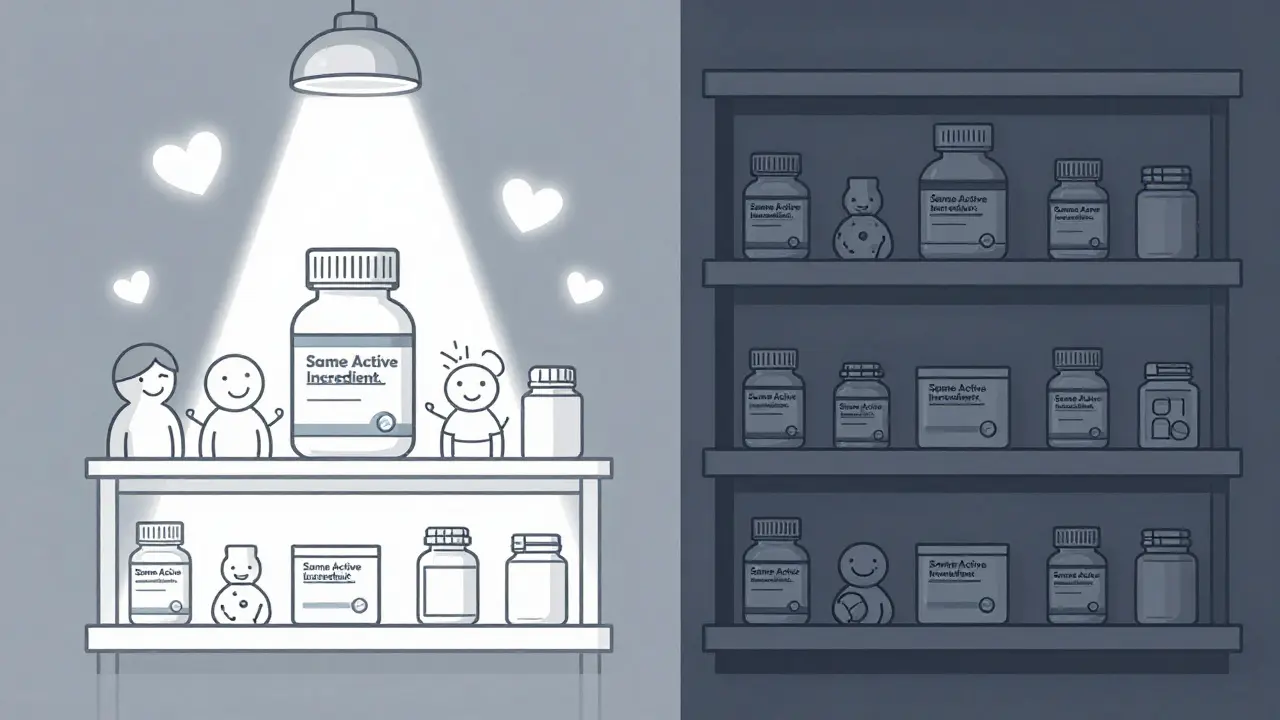
What You Can Do
You don’t have to be swayed by the next ad. Here’s how to take back control:- When you hear a drug name on TV, ask your doctor: “Is there a generic version?”
- Check the FDA’s list of approved generics-most are listed online for free.
- Don’t assume a new drug is better. Often, it’s just newer.
- If your doctor says a brand is necessary, ask why. Is it because it’s more effective-or just more advertised?
- Remember: a generic drug has the same active ingredient. Same FDA approval. Same results. Just a different label.
The Bigger Picture
The U.S. and New Zealand are the only two countries that allow drug ads aimed at consumers. Everywhere else, the focus is on educating doctors, not selling to patients. And in those countries, generic use is far higher. Why? Because people aren’t being told to ask for a brand. Advertising isn’t neutral. It doesn’t just inform-it shapes. And when it comes to medicine, that shape can cost lives in the long run. Not because generics are less effective. But because we’ve been trained to believe they are. The next time you see a drug ad, pause. Ask yourself: Is this helping me understand my health-or selling me a story I don’t need to believe?Are generic drugs really as effective as brand-name drugs?
Yes. By law, generic drugs must contain the same active ingredients, dosage, strength, and route of administration as their brand-name counterparts. They must also meet the same strict standards for quality, purity, and performance set by the FDA. The only differences are in inactive ingredients (like fillers or dyes) and packaging. For nearly all medications, generics work just as well-and often cost 80% less.
Why don’t generic drugs have TV ads?
Generic drug manufacturers rarely advertise because they don’t need to. Once a brand-name drug’s patent expires, multiple companies can make the same generic. There’s no single company to build a brand around. Advertising costs money, and with prices already low, there’s little profit margin to spend on marketing. Meanwhile, brand-name companies have huge budgets and a strong incentive to protect their market share by making consumers believe their version is superior.
Do drug ads increase overall medication use?
Yes. Research shows that for every 10% increase in direct-to-consumer advertising, prescription rates go up by about 5%. But much of that increase comes from people who wouldn’t have sought treatment otherwise-and those patients are less likely to stick with the medication long-term. So while more pills are sold, health outcomes don’t improve proportionally. The system pays more, but doesn’t get better results.
Can drug ads mislead patients about risks?
Absolutely. FDA studies show that even after seeing an ad four times, most people still remember the benefits better than the risks. Risk information is often spoken quickly, in small print, or buried under upbeat music and happy visuals. This creates an imbalance where patients overestimate benefits and underestimate side effects. That can lead to inappropriate use, especially when patients request drugs they don’t truly need.
Why do doctors sometimes prescribe the brand name even when a generic is available?
Patients ask for it. When someone walks in and says, “I saw an ad for this drug,” doctors often feel pressured to comply-even if they believe the generic would work just as well. Studies show that patient requests strongly influence prescribing decisions. Doctors may also worry about patient satisfaction or think the brand is more reliable, even if that’s not medically true. Advertising creates a psychological expectation that’s hard to override.


Andrea Di Candia
It’s wild how ads turn medicine into a status symbol. You’re not buying a pill-you’re buying peace of mind, a version of yourself that’s happier, healthier, less broken. And the generics? They’re the quiet roommates who do everything right but never get invited to the party.
I used to insist on the brand-name stuff until I found out my generic thyroid med was literally the same chemical. My doctor laughed. Said I was paying for the packaging and a jingle. Now I save $120 a month. My bank account thanks me. My body? Doesn’t even notice the difference.
bharath vinay
This is all orchestrated by the pharmaceutical-industrial complex to keep you dependent. The FDA? Complicit. Doctors? Paid off. Even the ‘generic equals same’ claim is a lie-there are subtle differences in fillers that can alter absorption. They don’t test for long-term effects of these ‘equivalent’ versions. You think you’re saving money? You’re just being slowly poisoned with cheaper ingredients while the real drug companies laugh all the way to the bank.
Wilton Holliday
Love this breakdown. Seriously. I used to be the guy who asked for the branded stuff because it ‘felt right.’ Then I had a bad month financially and switched to generic ibuprofen. Didn’t feel any different. No side effects. No ‘less effective’ vibes.
Turns out, my brain was the problem-not the pill. If you’re skeptical, try it. Swap one med for its generic. Give it a few weeks. You might be shocked at how little difference there is. Your wallet will thank you. Your future self will too.
Harsh Khandelwal
They’re not just selling pills-they’re selling delusion. Look at the ads: happy old folks dancing. But what’s the fine print? ‘May cause suicidal ideation, liver failure, or sudden death.’ Nah, let’s just focus on the sunset and the grandkids.
Meanwhile, the generic bottle? No music. No actors. Just a white label with a barcode. Of course people think it’s junk. They’ve been conditioned to equate marketing with quality. It’s psychological warfare, and we’re all the soldiers.
Andy Grace
Interesting. I never thought about it this way. Back home in Australia, we don’t get these ads. You get what the doctor prescribes. No asking. No brand loyalty. Just… medicine.
I remember when I needed antibiotics. The pharmacist handed me a generic. I asked if it was the same. He said, ‘Same molecule, mate. Different label.’ I believed him. Didn’t even think twice. Maybe we’re just less… suggestible.
Abby Polhill
Y’all are missing the real game here. Pharma doesn’t care if you take the brand or the generic-they just want you taking *something*. The spillover effect? That’s the real profit engine. They’re not trying to sell you Lipitor-they’re trying to sell you statins. The brand’s just the Trojan horse.
And don’t get me started on the ‘newer is better’ myth. Most ‘breakthrough’ drugs are just me-too products with a fancy patent. The real innovation? Marketing.
Ajay Sangani
the thing is… people dont know what active ingrediants even mean. they see a name and think its magic. i saw an ad for some knee pill and i was like ‘oh this is the one’… then my doc said ‘its just naproxen’ and i felt dumb. like… why did i think the brand was better? because it had a jingle? wow. we are so easily manipulated.
Pankaj Chaudhary IPS
As a public health advocate, I find this issue deeply concerning. In India, where access to affordable medicine is critical, the influence of Western-style pharmaceutical advertising is growing. This isn’t just about economics-it’s about equity. When patients believe branded drugs are superior, they forgo generics even when they’re the only option.
We must prioritize patient education. Not through ads, but through community clinics, public radio, and school curricula. Knowledge is the only true antidote to corporate manipulation.
Aurora Daisy
Oh, so now we’re blaming TV ads for Americans being dumb? Shocking. Next you’ll tell me the reason people buy SUVs is because of commercials. Newsflash: people choose expensive things because they want to feel superior. The ad just gave them an excuse.
And generics? They’re cheap because they’re cheap. No one’s forcing you to buy the brand. You do it because you’re emotionally immature and afraid of saving money. Own it.
Paula Villete
Okay but… the fact that we have to *educate* people that a generic is the same as a brand name… that’s the real tragedy. We live in a society where a logo is more trustworthy than a scientific study.
I once told my mom to switch to generic omeprazole. She cried. Said, ‘But the blue pill with the little heart on it makes me feel safe.’ I didn’t argue. I just bought her the generic… and put the brand name bottle in the cupboard. She never noticed. She’s been fine for two years. The pill didn’t change. Her mind did.
Georgia Brach
This is a classic case of emotional manipulation disguised as public health. The FDA’s requirement to include risk disclosures is a performative gesture-no one reads them. The ads are designed to trigger dopamine, not cognition.
And the ‘spillover effect’ is a red herring. It doesn’t mean generics are winning. It means the brand is winning *through* the generic. The system is rigged. The consumer loses. The pharmaceutical industry wins. Always.
Katie Taylor
Enough with the niceties. This is a crime. People are dying because they’re too scared to take a $3 generic. Companies are making billions off fear. Doctors are complicit. The FDA is asleep. And we’re just sitting here talking about ‘perception’ like it’s a TED Talk.
It’s time to ban these ads. Full stop. No more ‘educating’ people. No more ‘let’s try generics.’ Just shut it down. It’s not healthcare-it’s consumerism with a stethoscope.
Isaac Bonillo Alcaina
You all sound like you just woke up from a 20-year coma. This has been going on since the 90s. The only reason you’re surprised is because you’ve been too busy scrolling through memes to notice the slow erosion of your autonomy.
And don’t act like you’re some enlightened soul for switching to generics. You’re just one step ahead of the herd. The real problem? The entire system is designed to keep you dependent, confused, and buying. You think you’re making a smart choice? You’re just playing the game they designed for you.