
Fall Risk Medication Checker
Check Your Medication Risk
This tool helps identify medications that increase fall risk in older adults and suggests safer alternatives.
Commonly prescribed for anxiety or insomnia; cause significant sedation and muscle relaxation.
Powerful pain relievers that cause dizziness and cognitive impairment.
Some types cause drowsiness and postural hypotension.
Can cause orthostatic hypotension (sudden drop in blood pressure when standing).
Cause deep sedation and dizziness.
Your Fall Risk Assessment
Risk Level:
Important: Never stop medications without consulting your healthcare provider. This tool helps identify risks but doesn't replace professional medical advice.
Consider discussing these findings with your doctor or pharmacist using the STEADI-Rx program. This evidence-based approach helps reduce fall risk through medication review and adjustment.
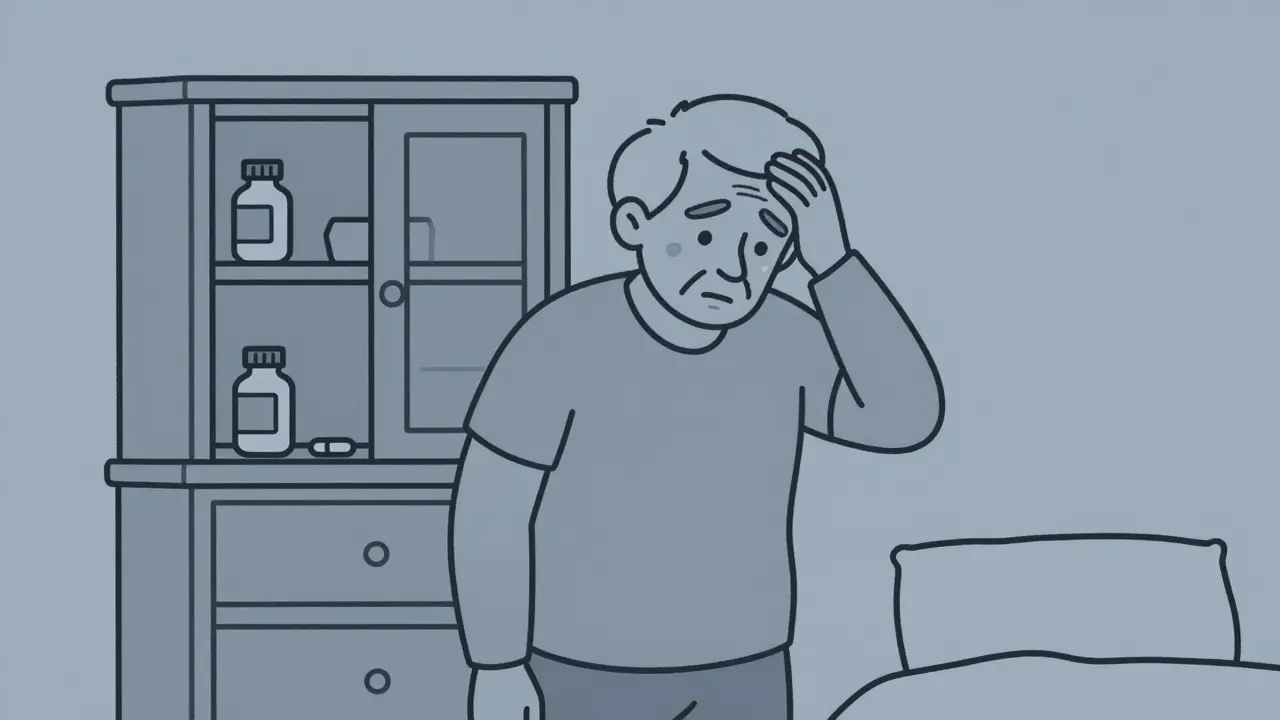
Every year, millions of older adults end up in emergency rooms because of a simple trip or slip. It sounds minor until you realize that falls are the leading cause of injury-related death for people over 65. While we often blame slippery floors or poor vision, there is a silent culprit hiding in many medicine cabinets. Sedating medications are drugs that slow down the central nervous system, leading to drowsiness, dizziness, and impaired balance. When combined with age-related changes, these medications can turn a routine walk to the kitchen into a dangerous event.
You might be taking these drugs for sleep, anxiety, or pain without realizing they are quietly increasing your risk of falling. The good news is that you don't have to live with this risk. By understanding which drugs are involved and working with your healthcare team, you can significantly lower the chances of a fall. This guide breaks down exactly how these medications affect your stability and gives you practical steps to stay safe.
Identifying the Medications That Increase Fall Risk
Not all pills are created equal when it comes to stability. Certain classes of drugs are notorious for making people feel woozy or slow down reaction times. In the medical world, these are often called Fall Risk Increasing Drugs (FRIDs). FRIDs are medications that have been clinically proven to increase the likelihood of falling in older adults through side effects like sedation or orthostatic hypotension. Knowing which ones you are on is the first step toward safety.
Here are the most common offenders you should look out for:
- Benzodiazepines are a class of psychoactive drugs used for anxiety, insomnia, and seizures that cause significant sedation and muscle relaxation. Examples include diazepam (Valium) and lorazepam (Ativan). These are often prescribed for sleep, but they can make you feel groggy hours after taking them.
- Opioids are powerful pain relievers that bind to opioid receptors in the brain, often causing dizziness, confusion, and sedation. Even at moderate doses, they can impair your balance.
- Antidepressants are medications used to treat depression and anxiety that can cause drowsiness or dizziness as side effects. Some, particularly tricyclic antidepressants, are more likely to cause falls than newer types.
- Antihypertensives are medications used to treat high blood pressure that can cause orthostatic hypotension, a sudden drop in blood pressure when standing up. This sudden drop can lead to fainting.
It is not just about one drug. Sometimes, the problem is the combination. For instance, taking a muscle relaxant like baclofen alongside an opioid can amplify the sedative effect, making you feel much sleepier than intended.
The Polypharmacy Trap
There is a specific term for taking many medications at once: Polypharmacy. Polypharmacy is defined as the use of multiple medications, typically five or more, by a single patient, which significantly increases the risk of adverse drug interactions. Research shows that the risk of falling increases proportionally with the number of medications you take daily.
Imagine your body is a busy intersection. Each medication is a car trying to get through. With one or two cars, traffic flows fine. But when you add five, six, or seven cars (medications), the chances of a crash (side effect or interaction) go up dramatically. This is especially true for older adults because their bodies process drugs differently than they did in their younger years. The liver and kidneys may not filter medications as efficiently, causing drugs to stay in the system longer and stronger than expected.
If you find yourself taking three or more different prescriptions, it is time to ask a professional for a review. Often, patients accumulate medications over years without anyone checking if they are all still necessary. Some might have been prescribed for a temporary issue that is long gone, yet the pill bottle remains on the shelf.
| Medication Class | Common Use | Fall Risk Mechanism | Alternative Strategies |
|---|---|---|---|
| Benzodiazepines | Anxiety, Insomnia | Sedation, Muscle Relaxation | Cognitive Behavioral Therapy (CBT), Non-drug sleep aids |
| Opioids | Pain Management | Dizziness, Cognitive Impairment | Physical Therapy, NSAIDs (if appropriate) |
| Antidepressants | Depression, Anxiety | Drowsiness, Postural Hypotension | SSRIs (lower risk), Counseling |
| Muscle Relaxants | Muscle Spasms | Deep Sedation, Dizziness | Stretching, Heat Therapy, Massage |
How to Conduct a Safe Medication Review
Reducing fall risk often means changing your medication routine. This process is called Deprescribing. Deprescribing is the planned and supervised process of dose reduction or withdrawal of medications that may be causing harm or are no longer beneficial. It is not about stopping everything at once, which can be dangerous. It is a careful, step-by-step approach managed by your doctor or pharmacist.
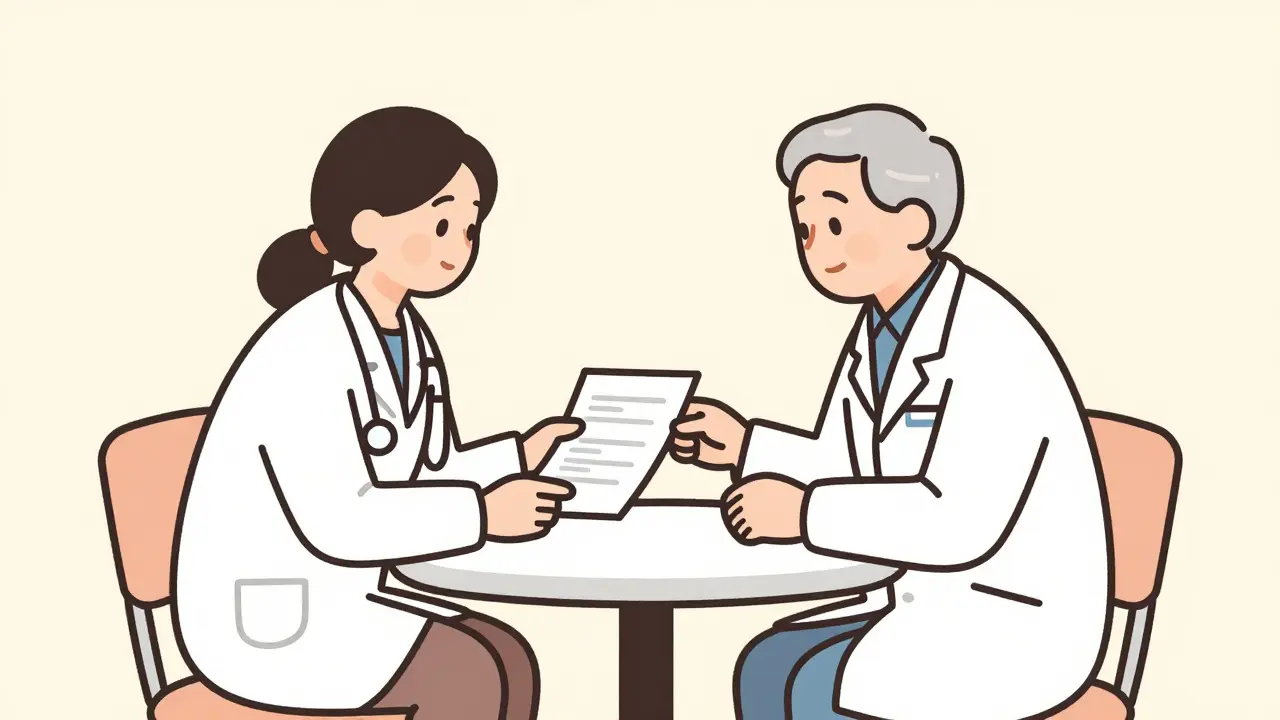
One of the most effective frameworks for this is the STEADI-Rx. STEADI-Rx is a pharmacist-led intervention program designed to identify and reduce medication-related fall risk in older adults through collaboration with prescribers. This initiative uses a three-step process that you can advocate for in your own care:
- Screen: Your healthcare provider checks if you have fallen recently or feel unsteady.
- Assess: They review your medication list to spot FRIDs and interactions.
- Intervene: They create a plan to switch to safer alternatives or lower doses.
Pharmacists play a huge role here. In many community pharmacy settings, pharmacists can document medication therapy problems and share them with your doctor using a Provider Consult Form. Studies show that 75% of recommendations in these programs involve switching to a safer alternative. For example, switching from a sedating antidepressant to a non-sedating one can reduce fall risk without losing the benefit for your mood.
Non-Medication Strategies to Boost Stability
While managing your meds is crucial, it isn't the only tool in the toolbox. You can actively build your body's resilience against falls through specific habits. The U.S. Preventive Services Task Force (USPSTF) recommends exercise interventions that provide a moderate net benefit in preventing falls among community-dwelling adults aged 65 and older. This isn't just about walking; it needs to be targeted.
Effective programs focus on three key areas:
- Balance Training: Standing on one foot, heel-to-toe walking, or Tai Chi.
- Strength Training: Building muscle in the legs and core to support your joints.
- Gait Training: Improving how you walk and move through space.
Aim for sessions that last 30 to 90 minutes, one to three times a week, for at least 12 weeks. Research indicates that these specific exercise programs can reduce the number of people who fall by 15% to 29%. Furthermore, they reduce falls that result in fractures by 61%. That is a massive reduction in serious injury.
Another factor to consider is Vitamin D. Vitamin D is a nutrient essential for bone health and muscle function, with supplementation recommended to reduce fall risk in older persons. The American Geriatrics Society suggests taking at least 1,000 IU per day. While evidence is mixed on how much it helps directly with balance, it is vital for keeping your bones strong if a fall does occur.
Creating a Fall-Proof Home Environment
Even with the best medication management, your home environment plays a part. If you are taking sedating medications, you are likely to feel groggier at certain times of the day, usually shortly after taking a dose. You need to adapt your space to match this reality.
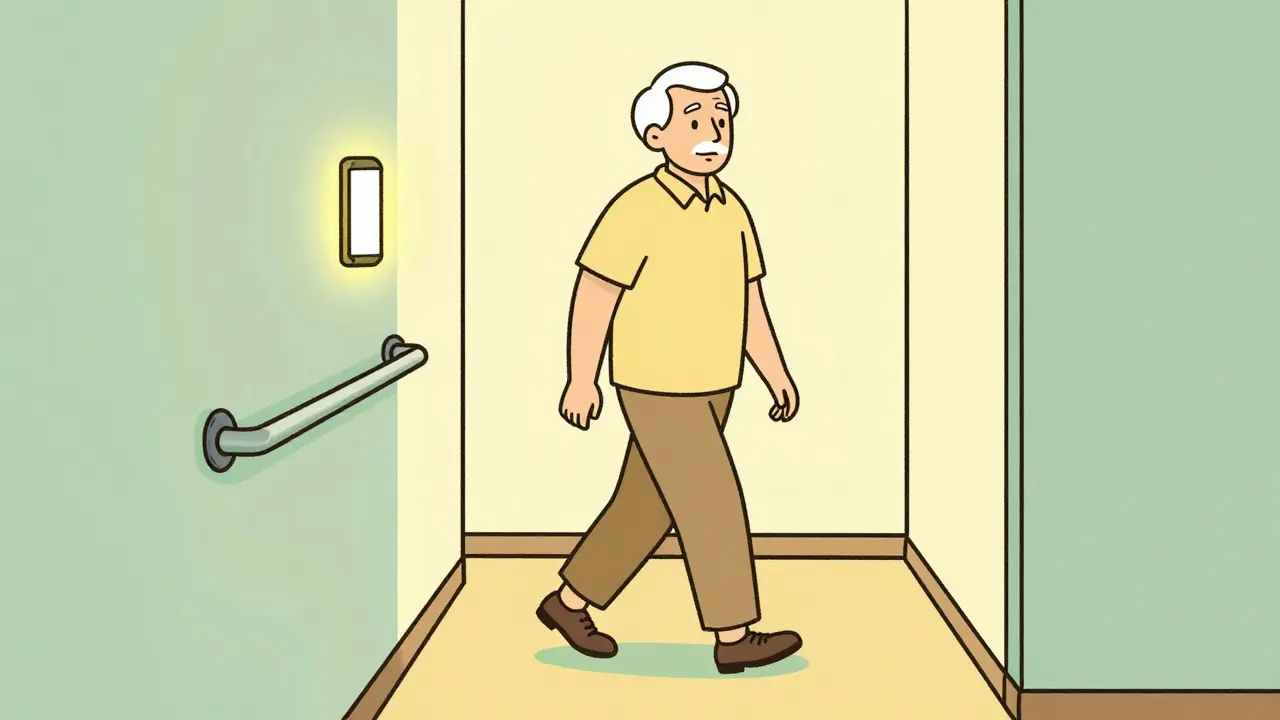
Start with the bathroom and bedroom. These are high-risk areas, especially at night. Install grab bars in the shower and near the toilet. Remove loose rugs that can bunch up. Ensure there is adequate lighting, particularly a nightlight path from the bed to the bathroom. If you take a sedating medication at night, keep your path clear so you don't have to navigate obstacles while your brain is still slowing down.
Also, consider the timing of your doses. If you take a medication that makes you dizzy, try to take it when you can sit or lie down safely. Avoid standing up quickly after taking it. If you have high blood pressure medication, sit on the edge of the bed for a minute before standing to let your body adjust the blood pressure.
Working with Your Healthcare Team
Communication is key. Many older adults are hesitant to talk about their medications because they fear their symptoms will return. A 2021 survey found that 63% of older adults reported difficulty reducing sedating medications due to withdrawal symptoms or fear. However, keeping a dangerous medication is often worse than managing the withdrawal.
Bring a complete list of all your drugs, including over-the-counter supplements, to every appointment. Ask your doctor or pharmacist specifically: "Does this medication increase my risk of falling?" If they say yes, ask: "Is there a safer alternative?" or "Can we lower the dose?"
Remember, deprescribing is a process. It might take weeks to taper off a medication safely. Patience is required, but the payoff is a safer, more stable life. The World Guidelines for Falls Prevention and Management for Older Adults (2022) strongly recommend assessing fall risk before prescribing any potential FRID. You have the right to ask for this assessment.
Frequently Asked Questions
Can I stop taking sedating medications on my own?
No, you should never stop taking prescribed medications suddenly without medical supervision. Stopping abruptly can cause withdrawal symptoms, rebound effects, or a return of the condition the medication was treating. Always consult your doctor or pharmacist to create a safe tapering plan.
Which specific drugs are most dangerous for falls?
Benzodiazepines (like Valium), opioids (like Oxycodone), and certain antidepressants are among the highest risk. Muscle relaxants like baclofen also carry a significant risk. These drugs affect your central nervous system, leading to drowsiness and slower reaction times.
How does polypharmacy affect fall risk?
Polypharmacy, or taking multiple medications, increases fall risk because drugs can interact with each other. The more medications you take, the higher the chance of side effects like dizziness or confusion. The risk rises proportionally with the number of daily medications.
What exercises are best for preventing falls?
Exercises that focus on balance, strength, and gait are most effective. Tai Chi, standing on one foot, and leg strengthening exercises are highly recommended. Programs should be done for at least 30 minutes, 1-3 times a week, for a minimum of 12 weeks.
Should I take Vitamin D to prevent falls?
Yes, the American Geriatrics Society recommends at least 1,000 IU of Vitamin D daily for older adults. While it may not directly improve balance, it strengthens bones, reducing the severity of injuries if a fall does occur.
What is the STEADI-Rx program?
STEADI-Rx is a pharmacist-led initiative that helps identify and reduce medication-related fall risks. It involves screening for risk, assessing medications, and collaborating with doctors to switch to safer alternatives or adjust doses.
How can I make my home safer if I take sedating meds?
Install grab bars in the bathroom, remove loose rugs, and ensure good lighting, especially at night. Keep a clear path from your bed to the bathroom. Avoid standing up quickly after taking medication that causes dizziness.
Is deprescribing safe?
Deprescribing is safe when done under medical supervision. It involves gradually reducing the dose or stopping the medication over time to avoid withdrawal symptoms. It is a planned process, not a sudden stop.



Amber Gray
my mom takes these pills and she keeps falling down 😡 the doctors dont care about us americans anymore we need to take care of our own elders not rely on big pharma 💊💊
Danielle Arnold
oh sure just stop all your meds and youll be fine i bet the ground is much safer than valium
Kevin Y.
I understand the frustration regarding medication management however abrupt cessation can indeed lead to severe physiological complications which must be avoided at all costs.
Aaron Sims
they want you to fall so they can sell you walkers!!!... the government knows exactly what they are doing with these prescriptions!!
Caroline Dennis
pharmacokinetics dictate hepatic metabolism slows in geriatric populations necessitating dose adjustments to mitigate adverse events.
Agbogla Bischof
It is crucial to note that orthostatic hypotension is a significant factor in medication-induced falls; please consult your pharmacist regarding dose timing.
Caroline Bonner
I really think everyone should read this carefully because it is so important for our safety! We need to make sure we are doing everything we can to stay upright and healthy! Exercise is really key here and you cannot skip the balance training! You should try standing on one foot while brushing your teeth! It helps build the muscles in your legs that keep you steady! Strength training is also something you should look into with a trainer! Your core needs to be strong to support your spine properly! Vitamin D is another thing that people forget about all the time! You need at least 1000 IU every single day to keep bones strong! If you fall you do not want to break a hip! Home safety is also a huge part of this equation! You need to remove rugs that might trip you up! Grab bars in the bathroom are essential for stability! Lighting needs to be bright enough to see where you are walking! Night lights help so you do not stumble in the dark! Talk to your doctor about every single pill you take! Do not be afraid to ask if there is a safer option available! Deprescribing is a process that takes time and patience! But it is worth it to live a life without fear of falling! Let us all support each other in making these changes! Stay safe everyone!
Rachele Tycksen
thats a lot of work but u are right about the rugs i hate those
Raphael Schwartz
stop taking the pills if they make you weak america needs strong people not zombies
Stephen Alabi
While the article suggests deprescribing, one must consider that untreated anxiety often poses a greater risk to overall quality of life than the potential for a fall.
Grace Kusta Nasralla
The pain of anxiety is real but the pain of a broken hip is physical and permanent. We must weigh the invisible suffering against the visible consequence.
Pat Fur
In many cultures we rely on family support for this but here we depend on systems that might fail us.
peter vencken
i work in a clinic and we see this all the time the benzos are the main culprint for sure
Chris Crosson
It would be interesting to see stats on how often patients switch successfully to non-sedating alternatives without issues.
Natasha Rodríguez Lara
I appreciate the detailed breakdown of the STEADI-Rx program it gives me a clear path to discuss with my mother.