
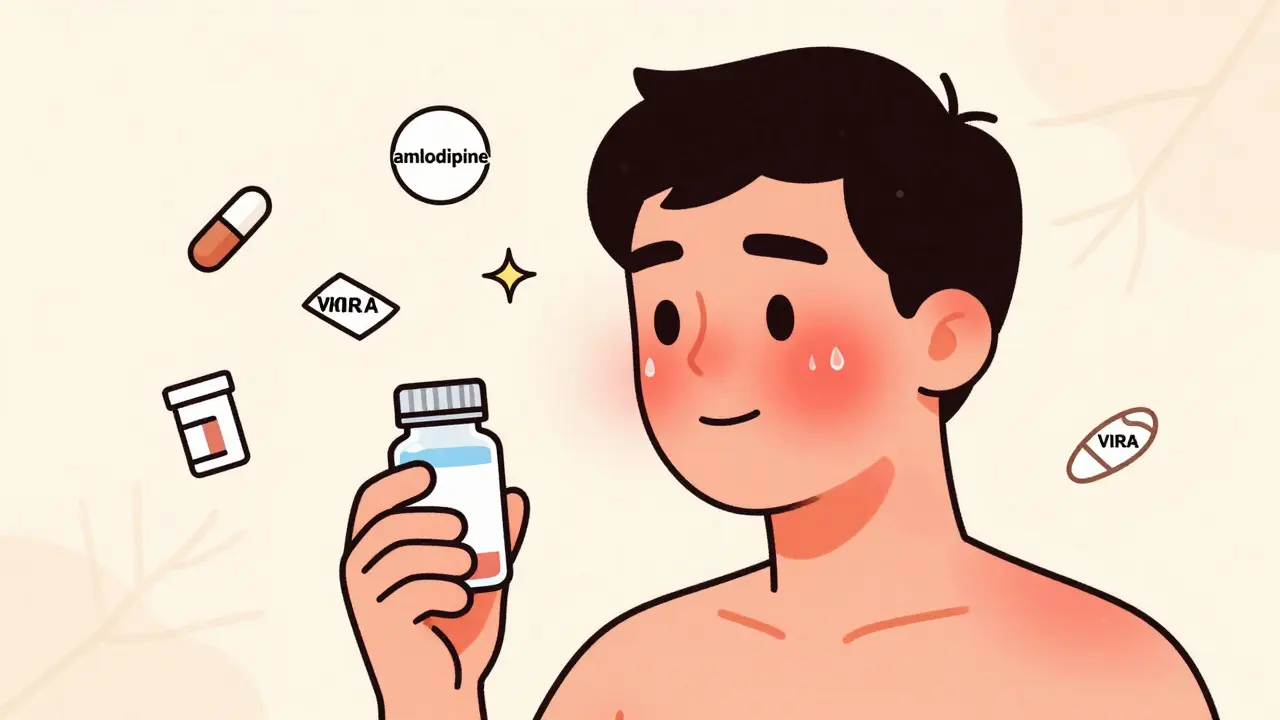
Medication Flushing Checker
Have you ever felt your face suddenly turn bright red, warm, and maybe even a little itchy after taking a pill? You’re not alone. Facial flushing from medications is more common than most people realize-and it’s not always harmless. It can be embarrassing, uncomfortable, or even a sign that your body is reacting strongly to something in your system. The good news? You don’t have to just live with it. Knowing what’s causing it and how to manage it can make a huge difference in your daily life.
What Exactly Is Medication-Induced Facial Flushing?
Facial flushing is when your face, neck, or upper chest turns red and feels hot due to blood vessels widening. It’s not a rash or an allergy in most cases-it’s a direct effect of how certain drugs interact with your blood vessels and nerves. This reaction can last seconds or drag on for hours, and it often happens without warning. Some people get it once and never again. Others deal with it daily, especially if they’re on long-term medication.
It’s not just about appearance. Many people describe it as a burning sensation, sometimes with sweating or dizziness. For those on cholesterol-lowering drugs like niacin, it’s so intense that they stop taking the medication altogether. That’s a problem-because if you stop your medicine, you risk worse health issues down the line.
Medications That Commonly Cause Flushing
Not all drugs cause flushing, but several classes are well-known triggers. Here are the most common ones you might be taking:
- Calcium channel blockers like amlodipine, nifedipine, and diltiazem are used for high blood pressure and chest pain. They relax blood vessels-which is good for your heart-but that same effect makes your face glow red.
- Vasodilators such as hydralazine, nitroglycerin, and minoxidil work the same way. They’re meant to open up arteries, but they don’t pick and choose where to dilate. Your face gets hit too.
- Niacin (vitamin B3) is one of the biggest offenders. It’s prescribed to lower triglycerides and raise good cholesterol. But the flush? It’s legendary. Up to 80% of people on high-dose niacin get it. And no, it’s not an allergy-it’s a prostaglandin-driven response.
- Opioids like morphine, oxycodone, and hydrocodone trigger histamine release, which causes redness, itching, and sometimes hives. It’s not a true allergy, but it feels like one.
- Vancomycin, an antibiotic, can cause what’s called “red man syndrome.” This isn’t rare-it happens in up to 10% of patients, especially if the drug is infused too fast. The face, neck, and chest turn red, and you might feel dizzy or have a drop in blood pressure.
- Cancer drugs like doxorubicin and hormonal treatments like tamoxifen and goserelin are also linked to flushing. For people with hormone-sensitive cancers, this side effect is often unavoidable.
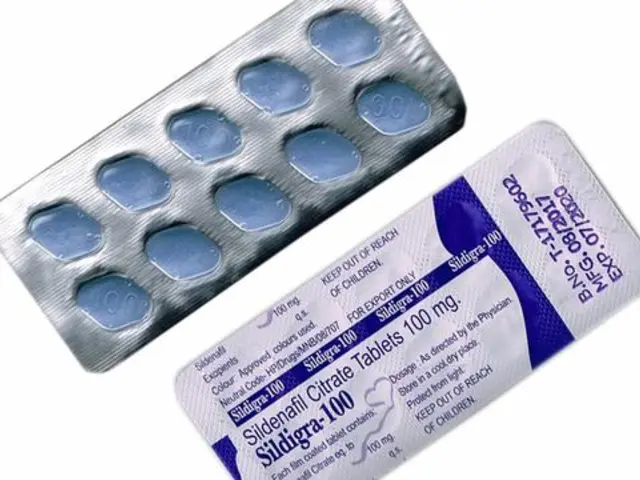
- Sildenafil (Viagra) and other erectile dysfunction drugs cause flushing because they widen blood vessels throughout the body-not just in the genitals.
Even older diabetes drugs like chlorpropamide can cause flushing if you drink alcohol. That’s because they interfere with how your body breaks down alcohol, leading to a buildup of acetaldehyde-a compound that triggers redness and nausea.
Why Does This Happen? The Science Behind the Redness
It’s not random. Flushing happens because these drugs interfere with your body’s natural control of blood flow. Some trigger prostaglandins-chemicals that make blood vessels expand. Others release histamine, which acts like a flare signal to your immune system. Still others affect the autonomic nervous system, which normally keeps your blood vessels tight or loose depending on what your body needs.
For example, niacin activates a receptor called GPR109A, which tells your skin cells to release prostaglandins. That’s why taking aspirin before niacin helps a little-it blocks part of that signal. But it only cuts the flush by about 30%. That’s why many people still suffer.
Vancomycin flushing happens because the drug directly triggers mast cells in your skin to dump histamine. Slow down the IV drip, and you can often prevent it. That’s why hospitals now give vancomycin over at least an hour.
And then there’s genetics. People of East Asian descent often have a genetic variation that makes it harder to break down alcohol. Combine that with certain meds, and even a sip of wine can turn your face bright red. It’s not just “blushing”-it’s a real biochemical reaction.
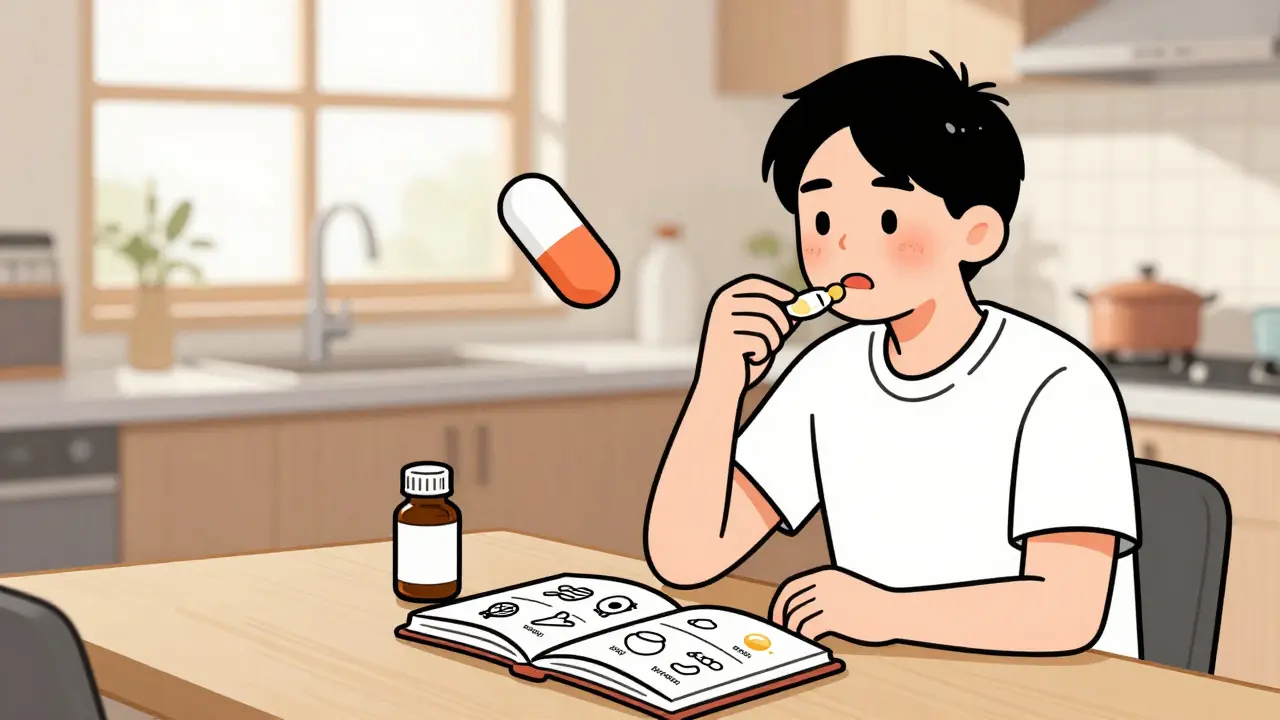
How to Relieve Medication-Induced Flushing
There’s no one-size-fits-all fix, but there are proven ways to reduce the frequency and intensity of flushing.
1. Talk to Your Doctor About Dosing and Timing
Some flushes are worse when you take the drug on an empty stomach. Niacin, for example, is less likely to cause a flush if taken with food or a low-fat snack. Switching from immediate-release to extended-release niacin can also help-though it’s not risk-free.
For calcium channel blockers, sometimes switching to a different drug in the same class makes a difference. Amlodipine tends to cause less flushing than nifedipine. Your doctor can test alternatives without compromising your blood pressure control.
2. Use Aspirin or NSAIDs (Carefully)
For niacin and some other prostaglandin-driven flushes, taking 325 mg of aspirin 30 minutes before your dose can reduce redness by up to 30%. It won’t stop it completely, but it can make it bearable. The same goes for ibuprofen or indomethacin.
But don’t just start popping aspirin daily without talking to your doctor. It can irritate your stomach, interfere with blood thinners, or cause bleeding if you’re on other meds.
3. Try Antihistamines for Histamine-Related Flushing
If your flush comes with itching or feels like an allergic reaction, it’s likely histamine-driven. That means H1 blockers like cetirizine or fexofenadine can help. Some people take them before opioid doses or vancomycin infusions. H2 blockers like famotidine may also help in combination.
Don’t rely on over-the-counter antihistamines long-term without medical advice. They can mask symptoms that might signal something more serious.
4. Avoid Triggers That Make It Worse
Flushing doesn’t happen in a vacuum. Other things can turn a mild flush into a full-blown episode:
- Alcohol-even one drink can trigger flushing if you’re on niacin, metronidazole, or certain antibiotics.
- Spicy foods-capsaicin in chili peppers widens blood vessels too.
- Hot showers, saunas, or sun exposure-heat makes vasodilation worse.
- Stress and anxiety-your body releases adrenaline, which can worsen flushing in people who are already sensitive.
- Monosodium glutamate (MSG)-found in processed foods and some restaurant meals, it’s a known trigger for some.
Keep a simple journal: note what you took, what you ate, how you felt, and how bad the flush was. Patterns emerge fast.
5. Consider Medical Treatments for Severe Cases
If flushing is wrecking your quality of life, your doctor might suggest:
- Clonidine-a blood pressure drug that calms down overactive nerves controlling blood vessels. It’s used off-label for severe flushing and blushing.
- Beta-blockers like propranolol or atenolol-they reduce the body’s stress response and can help with anxiety-related flushing.
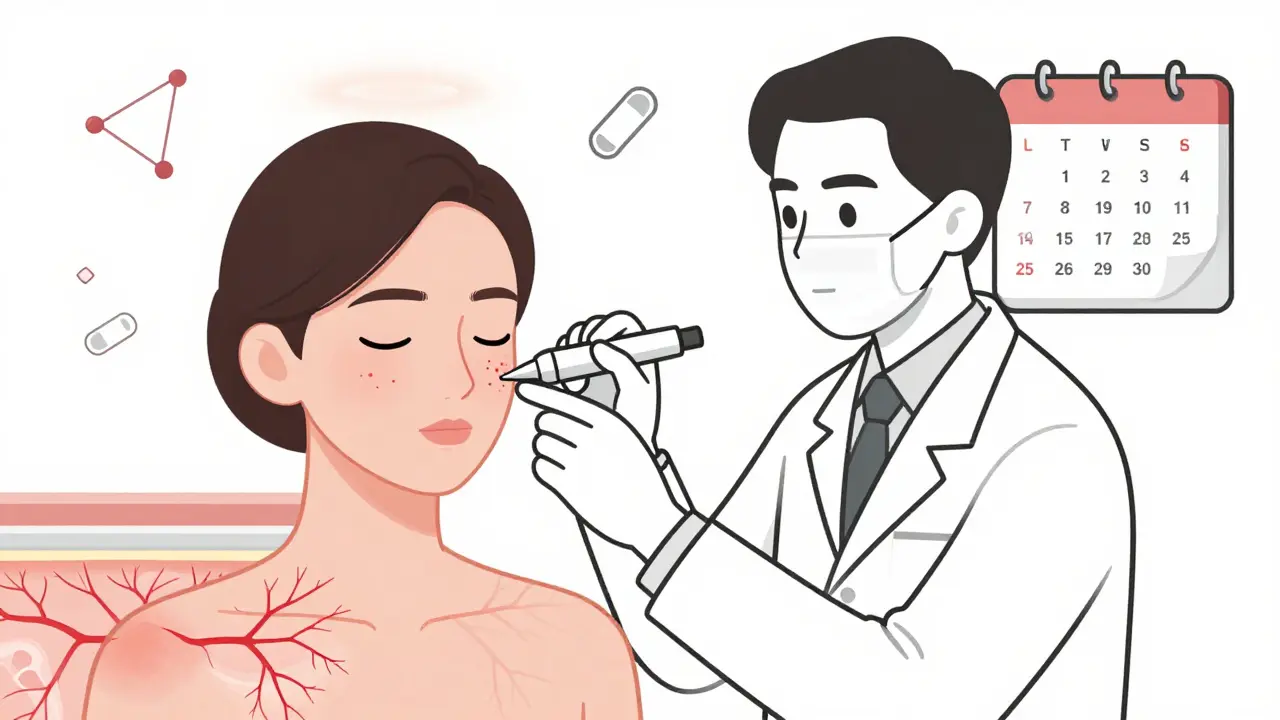
- Botox injections-yes, really. Tiny doses injected into the face can block nerve signals that cause blood vessels to widen. Effects last 4-6 months.
- Laser therapy-vascular lasers target the tiny red blood vessels under the skin. It won’t stop new flushes, but it can reduce the permanent redness that builds up over time.
These aren’t first-line treatments. They’re for people who’ve tried everything else and still can’t function normally because of the flushing.
When to Worry: Red Flags
Most medication-induced flushing is annoying but harmless. But some signs mean you need to act fast:
- Flushing with difficulty breathing, swelling of the lips or tongue, or low blood pressure-this could be anaphylaxis. Call emergency services.
- Flushing with chest pain, dizziness, or rapid heartbeat-could signal a heart issue or drug interaction.
- Flushing that spreads to your whole body or lasts more than a few hours-especially if you’re on chemotherapy or hormone therapy.
- Flushing that starts after a new medication and gets worse each time you take it.
If you’re unsure, don’t guess. Call your pharmacist or doctor. Better safe than sorry.
What to Do Next
If you’re dealing with facial flushing from a medication:
- Don’t stop your medicine without talking to your doctor.
- Write down when it happens, what you took, and what you were doing.
- Ask your doctor: “Is this a known side effect? Is there a lower-dose or alternative option?”
- Try taking aspirin 30 minutes before niacin if that’s your drug.
- Avoid alcohol, spicy food, and heat during peak flushing times.
- If it’s affecting your confidence or daily life, ask about clonidine, beta-blockers, or Botox.
Facial flushing isn’t something you just have to live with. It’s a signal-your body’s way of saying, “Something here isn’t right.” With the right approach, you can keep your meds and keep your face cool.
Can niacin flushing be completely prevented?
No, niacin flushing cannot be completely prevented in most people because it’s built into how the drug works. But it can be significantly reduced. Taking aspirin 30 minutes before your dose cuts the flush by about 30%. Switching to extended-release niacin or taking it with food helps too. Some people tolerate low-dose niacin better than high doses. Never stop niacin without talking to your doctor-it’s critical for managing cholesterol.
Is facial flushing from medication an allergy?
Usually not. Most medication-induced flushing is a pharmacological side effect, not an immune response. For example, niacin and calcium channel blockers cause flushing by directly relaxing blood vessels. Opioids trigger histamine release, which mimics an allergic reaction but doesn’t involve IgE antibodies. True allergies involve swelling, hives, breathing trouble, or anaphylaxis. If you have those symptoms, seek help immediately.
Can I take antihistamines to stop flushing?
Yes, but only for flushing caused by histamine release-like from opioids or vancomycin. Antihistamines like cetirizine or fexofenadine can help in those cases. They won’t work for niacin, calcium channel blockers, or alcohol-related flushing, because those aren’t histamine-driven. Always check with your doctor before combining meds.
Does stress make facial flushing worse?
Absolutely. Stress activates your sympathetic nervous system, which can make blood vessels react more strongly to drugs that cause flushing. If you’re already prone to redness from medication, anxiety or high-pressure situations can turn a mild flush into a full-blown episode. Managing stress with breathing techniques, therapy, or even beta-blockers can help reduce the frequency and severity.
When should I see a dermatologist for facial flushing?
See a dermatologist if your flushing is persistent, leaves behind permanent redness or visible blood vessels, or if over-the-counter and prescription options haven’t helped. Dermatologists can offer laser treatments to reduce long-term redness, rule out conditions like rosacea, and help you develop a long-term management plan. They also know which medications are most likely to trigger flushing and can work with your prescribing doctor to find alternatives.
Final Thoughts
Facial flushing from meds is frustrating-but it’s manageable. You don’t have to choose between your health and your comfort. With the right info, a little patience, and a good doctor, you can reduce the flush, avoid triggers, and keep taking what you need. Start by tracking your episodes. Talk to your provider. And remember: this isn’t just skin deep. It’s your body trying to tell you something. Listen-and act.


Marie Mee
i think big pharma makes these drugs on purpose so we buy more stuff to fix the side effects
they know niacin flushes so they sell you aspirin too
its all a scheme
Josh Potter
bro i took niacin once and looked like a boiled lobster for 2 hours
my girlfriend thought i was having a stroke
took 325mg aspirin before next dose and it cut it in half
life saver
Evelyn Vélez Mejía
The physiological phenomenon of medication-induced vasodilation is not merely a biochemical anomaly-it is a profound testament to the intricate symbiosis between pharmacological intervention and the autonomic nervous system’s regulatory architecture. One cannot dismiss the epistemological weight of prostaglandin-mediated erythema as mere ‘flushing’-it is the body’s silent, crimson lexicon, whispering of homeostatic compromise.
Victoria Rogers
why do americans take so many pills
in my country we just drink tea and ignore it
this flushing thing is just a symptom of overmedicating
stop taking everything and live
Anu radha
i had this with my blood pressure med
felt so embarrassed at work
thank you for explaining it so clearly
Jigar shah
The mechanism of niacin-induced flushing involves activation of the GPR109A receptor on Langerhans cells, leading to prostaglandin D2 release. This is a well-documented, non-allergic pharmacodynamic effect. Aspirin inhibits cyclooxygenase-1, thereby reducing PGD2 synthesis. This is not anecdotal-it is evidence-based.
Sachin Bhorde
yo if you on vancomycin and turn red like a tomato
ask the nurse to slow it down
they call it red man syndrome
its not an allergy but it feels like one
took me 3 infusions to figure this out
now i chill and they drip it slow
no more drama
Joe Bartlett
We don't need all these pills in the UK. We just take one and get on with it.
Linda Caldwell
you dont have to suffer through this
talk to your doc
there are options
youre not broken
your body is just reacting
and you can fix it
Anna Giakoumakatou
Ah yes, the modern miracle of pharmaceutical theater-where flushing is not a side effect but a performance art piece titled 'I Took My Daily Pill and Now I Look Like a Tomato.' How avant-garde.
Donna Packard
i started taking aspirin before my niacin
still get a little warmth but no more red face
small change
big difference