Muscle Preservation: How to Keep Strength as You Age
When you think about staying healthy as you get older, you probably think about heart health or blood pressure. But one of the most important things you can protect is your muscle preservation, the process of maintaining lean muscle mass to prevent weakness, falls, and loss of independence. Also known as combating sarcopenia, it’s not just about looking strong—it’s about being able to carry groceries, climb stairs, or get up from a chair without help. The truth? You start losing muscle as early as your 30s, and without action, you can lose up to 3% to 5% per decade after 40. That’s not aging—it’s neglect.
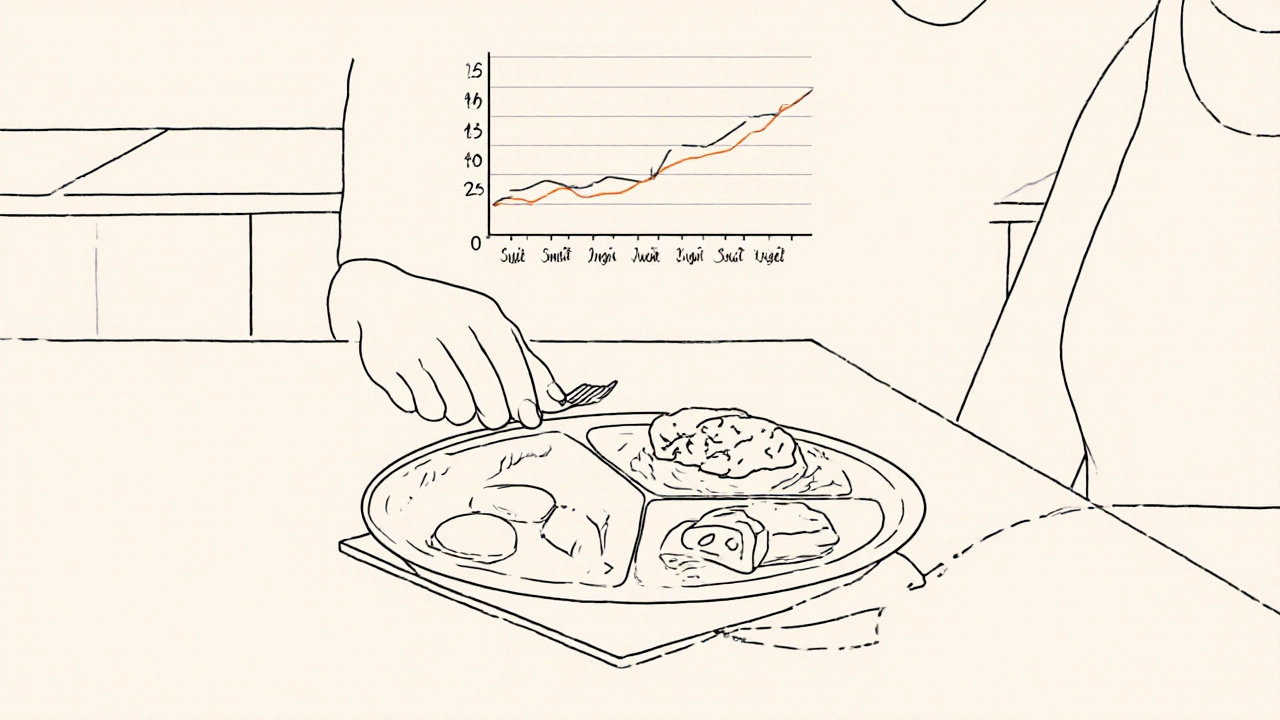
What actually helps? Two things: protein intake, the amount and timing of dietary protein needed to trigger muscle repair and growth, and resistance training, any form of exercise that forces muscles to work against weight or resistance. You don’t need to lift heavy weights. Bodyweight squats, resistance bands, or even carrying groceries the hard way counts. And you don’t need to eat a steak for every meal. Spreading 25–30 grams of protein across three meals—like eggs at breakfast, chicken at lunch, and lentils at dinner—does more than one giant protein shake ever could. Studies show people who do this and move regularly keep their strength, balance, and mobility far longer than those who don’t.
It’s not just about the gym or the kitchen. Medications, chronic illness, and even long-term inactivity can speed up muscle loss. That’s why posts here cover things like how certain diabetes drugs affect muscle, why some arthritis treatments need careful balancing, and how treatments for gout or liver disease can indirectly protect or hurt your strength. You’ll find real advice—not guesses—on how to keep your body working, even when you’re managing other health issues. Whether you’re 50 and just starting to notice you’re not as steady as you used to be, or you’re 70 and want to stay independent, muscle preservation isn’t a luxury. It’s the foundation of everything else.
Below, you’ll find clear, science-backed guides on exactly how to protect your muscles—through diet, movement, and smart medication choices. No fluff. No hype. Just what works.